Black-Eyed Susan Varieties
Gardening Know How reports on 7 black-eyed Susan varieties that flower longer than Goldsturm
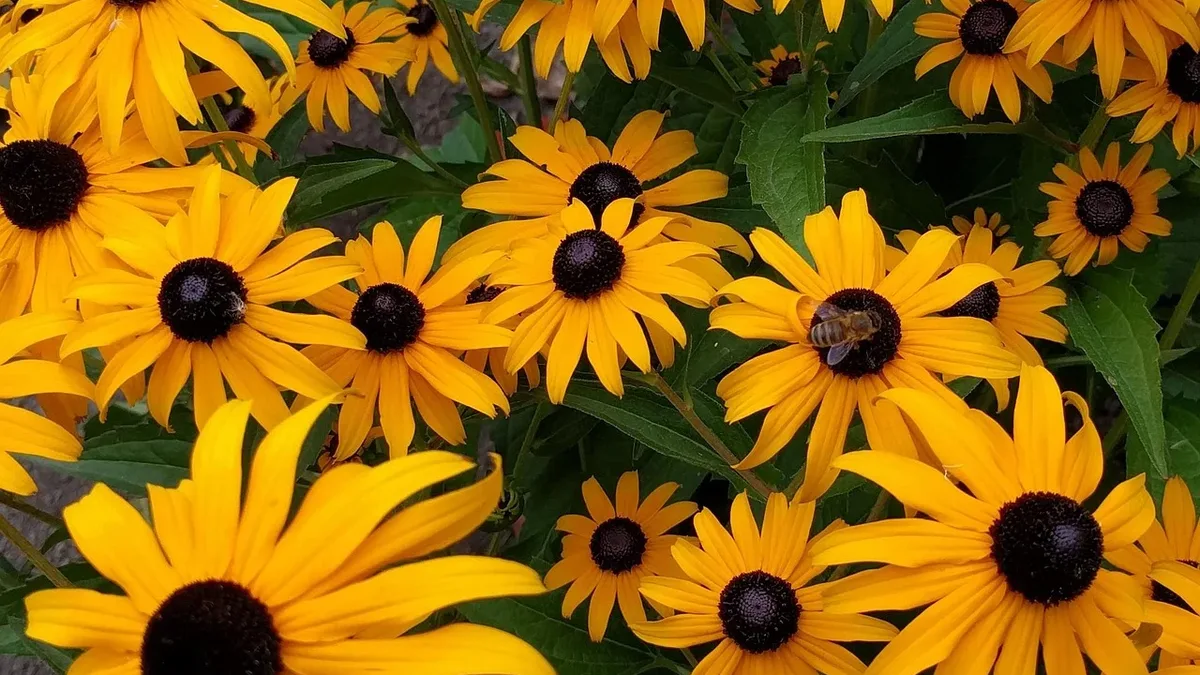
Gardening Know How has identified 7 black-eyed Susan varieties that flower for months into fall. These varieties are said to bring more flowers for less effort and are a great alternative to the classic Rudbeckia fulgida 'Goldsturm'.
According to Gardening Know How, these modern black-eyed Susan varieties are more drought tolerant, heat tolerant, and disease resistant, with more abundant blooms over a longer period. They are a great option for low-maintenance late-season plants that will provide a late-season source of nectar for pollinators and a feast of seeds for garden birds.
Types of Black-Eyed Susans
The 7 varieties of black-eyed Susans identified by Gardening Know How are:
| Variety | Best For | Size | Zones |
|---|---|---|---|
| American Gold Rush | Disease Resistance | 1 ft high, 1-2 ft wide | 3-8 |
| Little Goldstar | Flower Density | 2 ft wide, 16 in stems | 4-9 |
| Glitters Like Gold | Temperature Extremes | 2-3 ft tall, 1-2 ft wide | 3-9 |
| Deam's | Wildlife | 2-3 ft high, 1-2 ft wide | 4-9 |
| Blackjack Gold | Flower Color | 3 ft tall, 1 ft wide | 3-8 |
| Viette's Little Suzy | Containers | 12-18 in high and wide | - |
| Treasure Trove | Low-Maintenance | 2-3 ft high and wide | 4-9 |
Disease Resistance
Rudbeckia 'American Gold Rush' is virtually immune to Septorial leaf spot, a common disease that affects black-eyed Susans. Its slightly hairy leaves stop moisture from sitting on the foliage, preventing the conditions that the fungal spores require.
Flower Density
Rudbeckia fulgida 'Little Goldstar' boasts the highest bloom density relative to its size, with a single plant producing over 80 blooms. It is highly disease-resistant and drought-tolerant once established, making it a great option for borders and pots.
Temperature Extremes
Rudbeckia 'Glitters Like Gold' is specifically bred to handle hot, humid summers and is hugely cold-hardy down to -40°F. It has strong disease resistance to Septoria leaf spot and sturdy stems that don't flop over, making it a great option for gardens in zones 3-9.
The dark central cones of Rudbeckia fulgida var. deamii are particularly rich in nectar for pollinators, and produce a heavy load of seed to feed finches through winter. This native black-eyed Susan is very adaptable and grows in pretty much any well-drained soil, making it a great option for wildlife gardens.
Black-eyed Susan 'Treasure Trove' is a low-maintenance variety that practically grows itself. It has a neat, bushy habit with heavily-branched stems, supporting itself well and producing a massive volume of flowers. It is available from Plant Addicts, along with several other varieties of black-eyed Susans.