Reuse Halloween Pumpkins to Enrich Soil and Feed Wildlife
Millions of Halloween pumpkins are discarded annually, but they can be repurposed to reduce landfill waste, enrich garden soil, and support birds through winter with simple projects suitable for all climate zones.
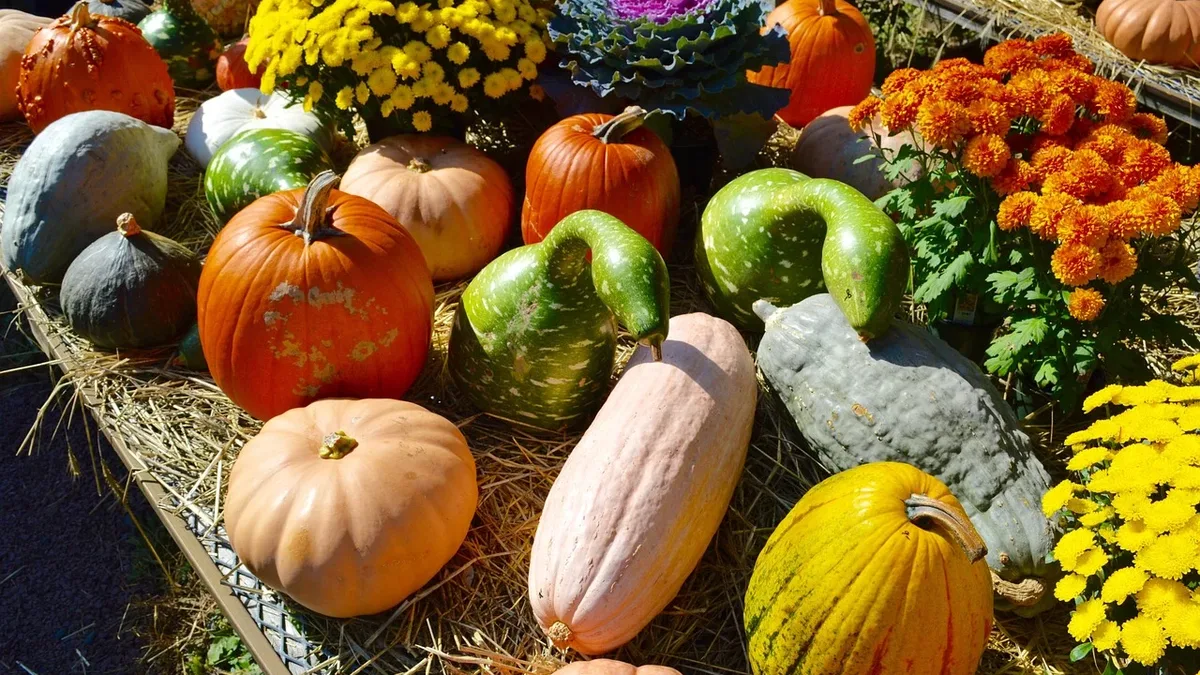
Millions of pumpkins end up in landfills every year after Halloween. An estimated 80% of them go to waste, representing approximately 1.6 billion pounds of discarded pumpkin. In landfills, they break down without air and release greenhouse gases. Simply leaving pumpkins out for wildlife is discouraged, as it can attract pests and expose animals to spoiled food or harmful decorations. Instead, gardeners can choose from several sustainable reuse methods, provided the pumpkin is clean and free of contaminants like paint, glitter, chemical sealants, or candle wax.
Pumpkins Can Be Reused as Bird Feeders
A fresh, mold-free pumpkin can be turned into a natural bird feeder. This provides a nourishing treat for songbirds like cardinals, blue jays, and titmice as temperatures drop in November. Start with a firm, uncarved or hollowed pumpkin. Cut it in half across the middle or slice off the top third. Scrape out the inner pulp and seeds until the interior walls are clean. Poke three or four half-inch drainage holes through the base using a large screwdriver. For a hanging feeder, punch three evenly spaced holes along the thick top rim and thread jute twine through to hang it from a sturdy tree limb. Alternatively, set the flat shell on a low wall or deck railing. Fill it with black-oil sunflower seeds or a wild bird food mix. Inspect the feeder every few days; when the inner walls turn squishy or develop mold, take it down and compost it.
Pumpkins Can Be Composted Effectively
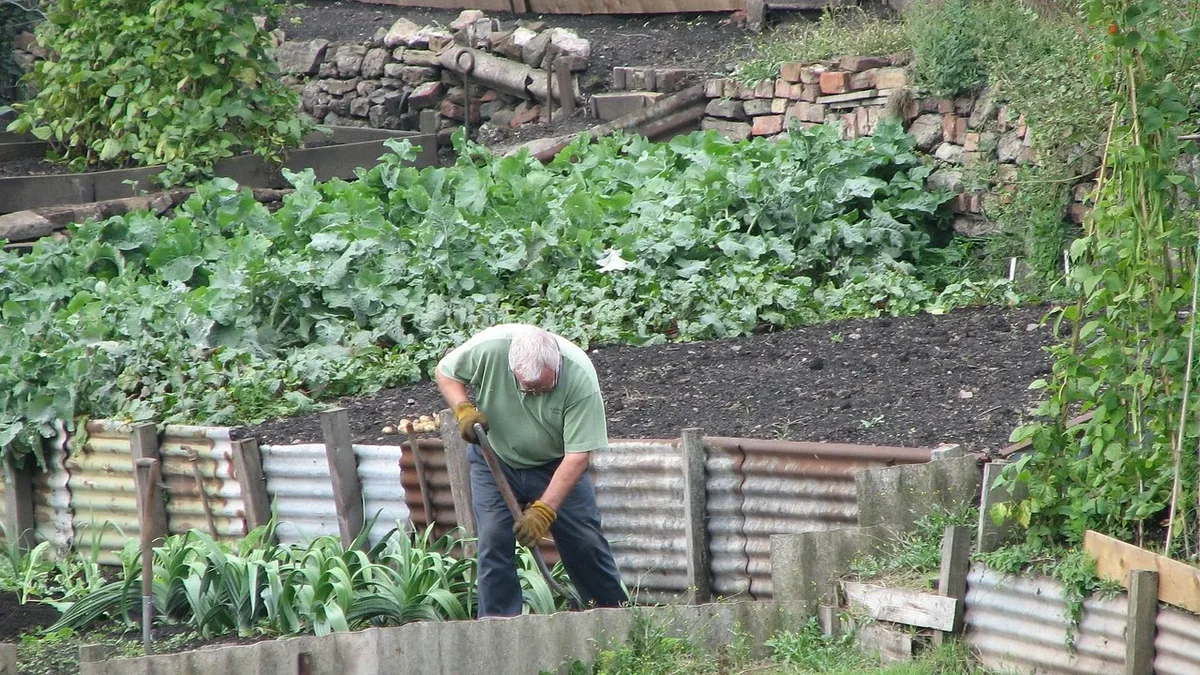
Composting pumpkins accelerates decomposition and enriches soil with organic matter and nutrients like potassium. First, remove all nonbiodegradable materials. Then chop the pumpkin into smaller pieces to speed up the process. Mix the pieces with brown materials like dry leaves or cardboard in your compost bin. A single-chamber tumbler can speed up decomposition in a compact way. For a method called trench composting, dig a trench 18 to 24 inches deep in a bed reserved for heavy-feeding spring crops like sweet corn, squash, or tomatoes. Fill the trench with chopped pumpkin chunks and backfill with 12 inches of clean soil. In loose, well-drained soil, pumpkins can break down in two to three months. Heavy clay soil may still have chunks a year later. Pumpkins contain about 90% water. Standard carving varieties like Howden and Jack O' Lantern work especially well for soil enrichment, though burying a whole pumpkin in flower beds is discouraged due to slow decomposition and pest attraction.
Pumpkins Can Be Used in Gardens and Cooking
A hollowed pumpkin can serve as a temporary planter for small pots of autumn flowers. Carve a generous opening around the stem, scoop out the pulp and seeds, and puncture four or five drainage holes through the bottom crust. Place it on a doorstep or patio, knowing it will soften over time. An uncarved pumpkin can also hold outdoor LED lights for seasonal ambiance. For cooking, seeds from a healthy pumpkin can be rinsed, dried, and roasted with olive oil and salt at 325°F for 20 to 30 minutes. They are packed with zinc, magnesium, and beneficial plant compounds. Seeds for planting next year should be cleaned, dried thoroughly in a warm room for two to three weeks, and stored in breathable paper envelopes. Note that modern carving pumpkins are typically hybrids that may not grow true to type if saved, as bees can cross-pollinate them with other squash varieties. Plain, cooked pumpkin purée can also be used to make dog treats or a simple face mask. These fall projects work in every USDA hardiness zone, though decay rates vary. In cold northern zones, freezing nights preserve carved pumpkins longer. In warm southern zones, higher temperatures accelerate mold and fruit flies.