Legal Drainage Mistakes That Could Flood a Neighbor's Yard
A gardening lawyer explains how common landscaping changes can alter natural water flow, potentially making a homeowner liable for flood damage to a
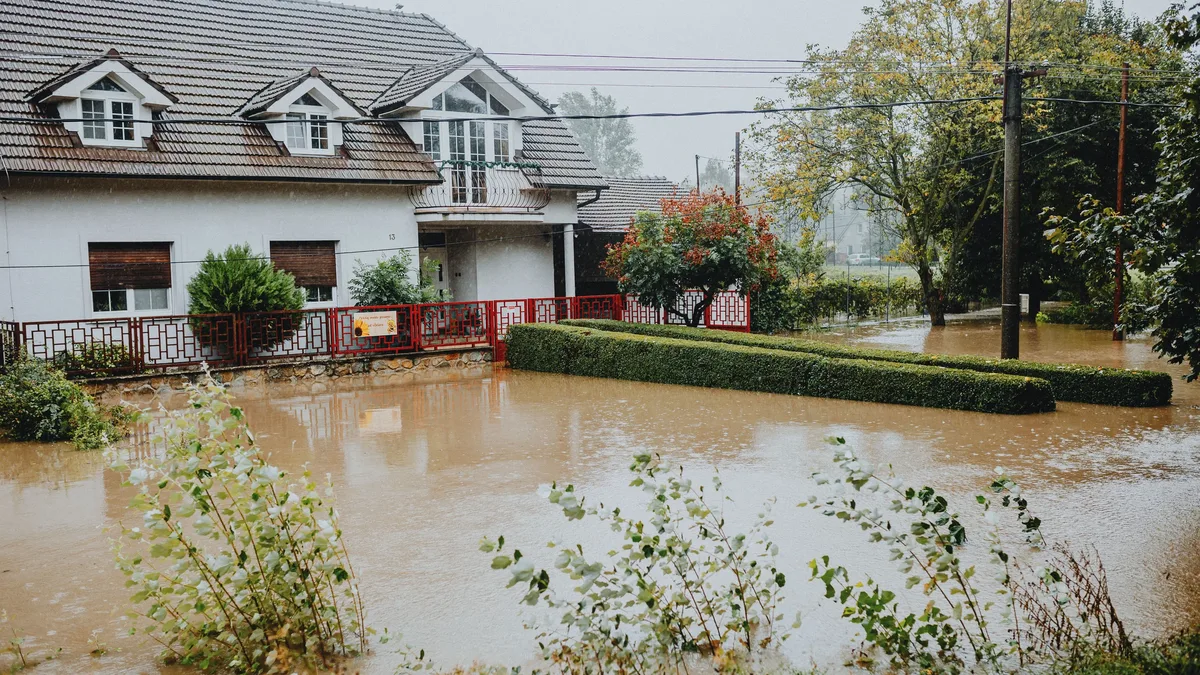
A new garden path or a regraded lawn could make you legally responsible for a neighbor's flooded yard. According to attorney and gardener Teo Spengler, writing for Gardening Know How, altering your property's drainage can lead to liability for any resulting damage next door.
Generally, the law follows a "reasonable use" doctrine. This accepts that rainwater naturally flows from higher ground to lower ground. A neighbor with a lower lot cannot blame the owner of an upper lot for damage caused by natural rainfall runoff, even during exceptionally wet periods.
When Natural Flow Becomes a Problem
This protection only applies to natural rainfall. The situation changes if you artificially alter drainage. Diverting water through pipes or changing the land's contour to send more water onto a neighboring property is not considered reasonable use. Such actions can violate local building codes or HOA rules, which often prohibit discharging sump pumps or downspouts across property lines.
If your drainage project causes soil erosion, standing water, or foundation damage next door, you can be held legally responsible for the repair costs.
Common Landscaping Changes That Cause Issues
Most disputes aren't intentional. They often start with simple landscaping projects that disrupt normal drainage patterns. Spengler notes that changes at soil level are frequent culprits. This includes installing new plants, grass, or hardscapes like patios. Regrading a backyard or adding drain pipes to turfgrass can also redirect water flow.
Laws vary by state, but many, including California, hold a property owner strictly liable for damages if they alter the land to change the natural flow of surface water. Intent is not required for liability.
Specific problematic alterations include:
- Any action changing the natural flow of surface water.
- Installing drains or pipes that move water from your land to another's.
- Speeding up the flow of surface water.
- Increasing the amount, speed, or concentration of water draining onto a neighbor's property.
- Directing water to a new location.
- Installing retaining walls or non-porous pavers that prevent rainwater absorption.
How to Manage Runoff Responsibly
Homeowners can take proactive steps to manage rainwater without harming neighboring lots. Spengler suggests several landscape features, known as rainscaping, to prevent issues.
Consider installing a rain garden in a depressed area using soil rich in organic material and deep-rooted native plants. For yards with a shallow trench, creating a dry creek bed lined with landscape fabric and river rocks can channel heavy runoff.
Rain barrels are another effective tool. A barrel hooked to a gutter system can capture many gallons of water for later garden irrigation, preventing it from flowing downhill. Some kits come with a hose hookup for easy use.
Choosing permeable materials for hardscaping is key. Regular concrete pavers prevent water absorption, sending more runoff toward a lower lot. Instead, using gravel, turf blocks, or porous flagstones for pathways allows rain to soak into the earth on your own property.
Spengler's advice stems from her experience as both a gardener and a former attorney. She currently works as a docent at the San Francisco Botanical Garden.