Clooney Greenhouse Reveals Small Space Container Garden
Design experts analyze the container gardening principles behind Amal and George Clooney's lush orangery, sharing a layout and layering formula for any
Amal and George Clooney's Oxfordshire orangery, photographed for Vogue by Annie Leibovitz, is filled with terracotta pots of citrus, roses, and Mediterranean greenery. Gardening experts cited by Gardening Know How say the space demonstrates key principles for creating a lush container garden in any small area, from a greenhouse to a bright corner.
Xhensila Lala, a garden designer and Marketing Manager at William Morris Wallpaper Co., says the first critical step is planning the room, not the plants. She advises treating the space as a floor plan first. A good rule is to leave approximately 60% of the floor area as open walking space. This prevents the area from becoming mere plant storage, where items are grouped only by type or size rather than how a person uses the room.
Layer by Height for a Full Look
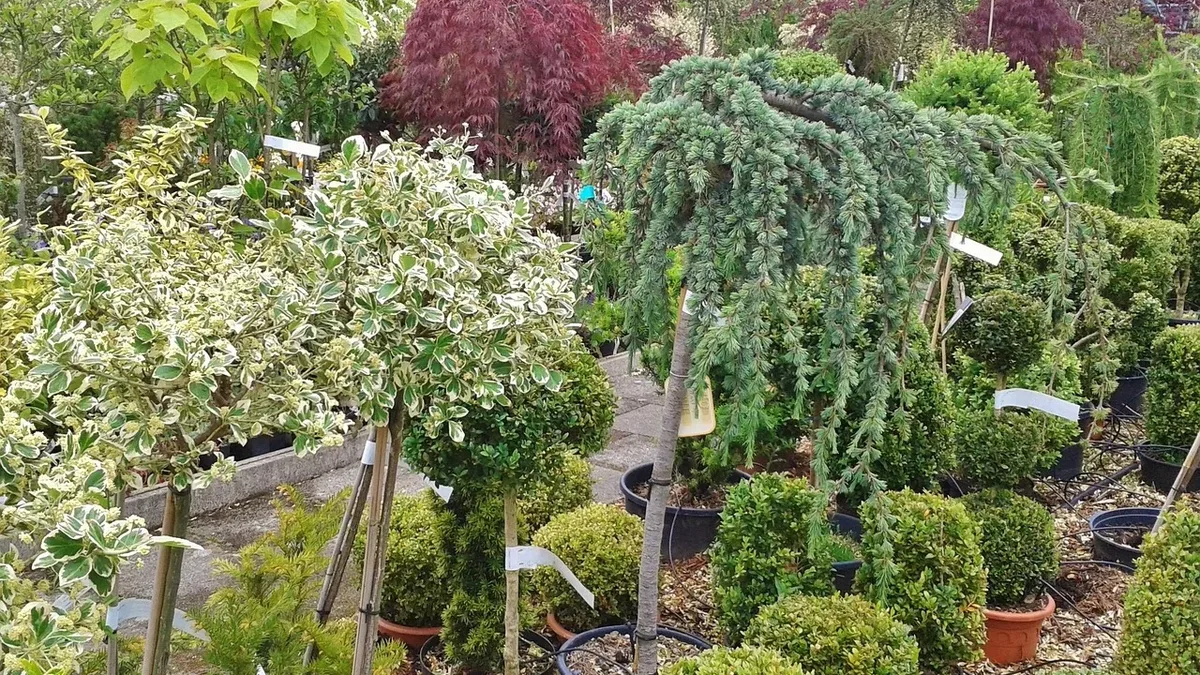
Creating height variation makes a small space feel abundant rather than cramped. Lala recommends arranging pots at three distinct levels: floor-level, mid-level, and wall-level. This approach uses the same square footage but creates an illusion of fullness. Loren Taylor, Owner of Outdoor Fountain Pros, uses a classic container gardening technique to achieve a similar effect. "I often use the 'thriller, filler, spiller' approach when planting containers," Taylor said. This method uses a tall focal plant surrounded by others, finished with a trailing type.
Select Pots for Plant Needs
Pot material is a functional choice that affects maintenance. Lala explains that terracotta pots promote airflow to roots, helping reduce rot from excessive heat. Glazed ceramic pots retain moisture longer, making them better for frequently harvested herbs like basil and parsley. Getting this pairing right from the start can lower weekly upkeep.
Practice Restraint for Harmony
Achieving a lush look requires restraint, not abundance. Taylor warns against putting too many plants in one container. He suggests choosing only important flowers, repeating favorite plants, using containers of the same style, and selecting plants within a similar color range. Such repetition brings harmony. Overcrowding is a common pitfall, he notes, alongside bad watering systems and poor drainage. An overcrowded garden may look good initially, but plants will suffer over time.
Prioritize Light and Mix Functions
Light is a frequent mistake area. Lala states that south and east-facing glass provides approximately 6-8 hours of direct light, suitable for fruiting plants like tomatoes and dwarf citrus. Dropping below 6 hours of direct light quickly limits options to plants like ferns and begonias. For plant choices, Taylor recommends mixing easy-maintenance structural plants with edibles. He suggests rosemary, ornamental grasses, sedum, boxwood, and dracaena for year-round interest. On the debate between ornamental and edible plants, Taylor is clear. "The answer will always be, use both of them!" he said. He lists rosemary, lavender, chives, strawberries, and compact peppers as plants that are both productive and attractive.
Finally, Taylor advises treating even a tiny container garden as a livable room. Creating paths, adding a small bench, and incorporating different comfortable spots enhances the space. Hanging plants and soft lighting increase comfort. With the right design, even the smallest space can become a joyful retreat, embodying the principles seen in the Clooneys' orangery.