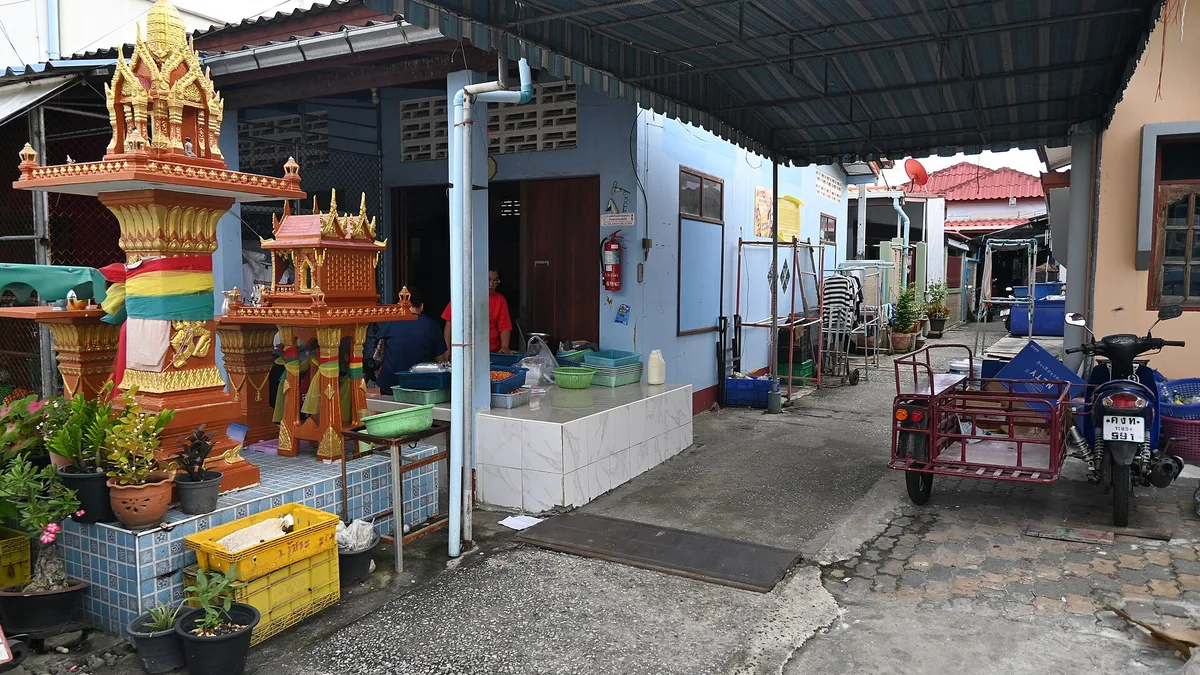
Containers And Small Spaces
| Common name | The standard name for the plant. |
|---|---|
| Botanical name | The scientific genus and species. |
| Plant type | Annual, perennial, biennial, or bulb. |
| Container size | The minimum recommended pot volume or depth. |
| Sow/Plant month | The typical month(s) to sow seeds or plant young plants. |
| Harvest month | The typical month(s) to harvest the edible parts. |
| Sun requirement | Full sun, partial shade, or shade. |
| Key care task | The primary recurring activity, such as watering, feeding, or pinching out. |
Origin and history
The practice of growing plants in containers and small spaces is an ancient horticultural technique with origins in multiple early civilizations. The use of portable plant containers dates back millennia, with early examples found in ancient Egypt, Rome, and China where plants were grown in pots for both decorative and practical purposes. The concept of intensive cultivation in limited ground area, a key principle of small-space gardening, was highly developed in parts of Asia and Europe for centuries to maximize food production from available land. The modern interpretation of "container and small space gardening" as a distinct, popular urban and suburban activity coalesced in the mid-20th century. This rise coincided with increasing urbanization, the growth of apartment living, and the development of new lightweight container materials like plastic. The publication of dedicated gardening guides focusing solely on balconies, patios, and tiny plots became widespread from the 1970s onward, formalizing it as a mainstream gardening category.
What it is for
This gardening method is primarily for cultivating plants where traditional in-ground garden space is unavailable, unsuitable, or severely limited. It enables food production and ornamental gardening on balconies, patios, rooftops, windowsills, and small urban yards. The approach allows for complete control over the growing medium, which is crucial for sites with poor or contaminated native soil. It facilitates the growing of non-native or tender plants that can be moved to shelter during adverse weather conditions. The technique is also used to create portable garden features and to manage invasive plants by restricting their root systems. Furthermore, it serves as a method for gardeners with physical limitations to tend plants at a comfortable height without the need for bending or kneeling.
Pros and cons
A primary advantage is the efficient use of space, allowing for high-density planting and vertical gardening techniques that maximize yield from a minimal footprint. The controlled environment reduces problems with soil-borne diseases and offers the ability to tailor soil mixes precisely to each plant's needs. The portability of containers provides flexibility to optimize sun exposure or protect plants from frost, wind, or heavy rain. A significant drawback is the increased dependency on the gardener for watering and feeding, as container plants have a limited soil volume that dries out quickly and exhausts nutrients. Root systems are confined, which can lead to plants becoming pot-bound, stunted, or stressed during temperature extremes, as roots are less insulated than in the ground. Common mistakes include using containers without drainage holes, selecting pots that are too small for the plant's mature size, and underestimating the weight and structural load of watered containers on balconies and roofs.
Who it suits
This approach is ideally suited for urban dwellers living in apartments, flats, or houses with little to no yard space, such as concrete courtyards or paved areas. It is a practical solution for renters who need a portable, non-permanent garden they can take with them when they move. Beginner gardeners often find starting with a few containers more manageable and less daunting than preparing a large in-ground plot. Individuals with physical mobility challenges benefit from the ability to raise containers to an accessible height for maintenance. It also suits experimental gardeners who wish to grow a wide variety of plants in specialized soil conditions within a small area. Conversely, it is less suitable for those seeking a very low-maintenance garden or who are prone to forget regular watering, as the margin for error is smaller than with in-ground planting.
Latest Containers And Small Spaces news
Latest reporting
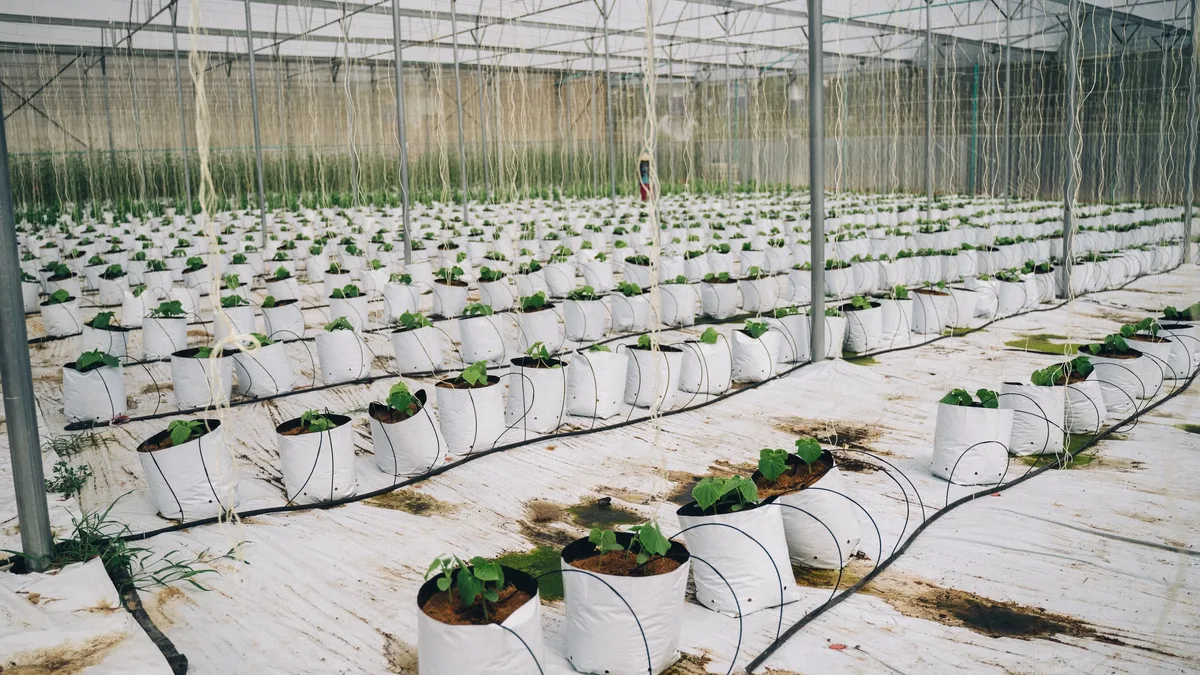
Clooney Greenhouse Reveals Small Space Container Garden
Design experts analyze the container gardening principles behind Amal and George Clooney's lush orangery, sharing a layout and layering formula for...
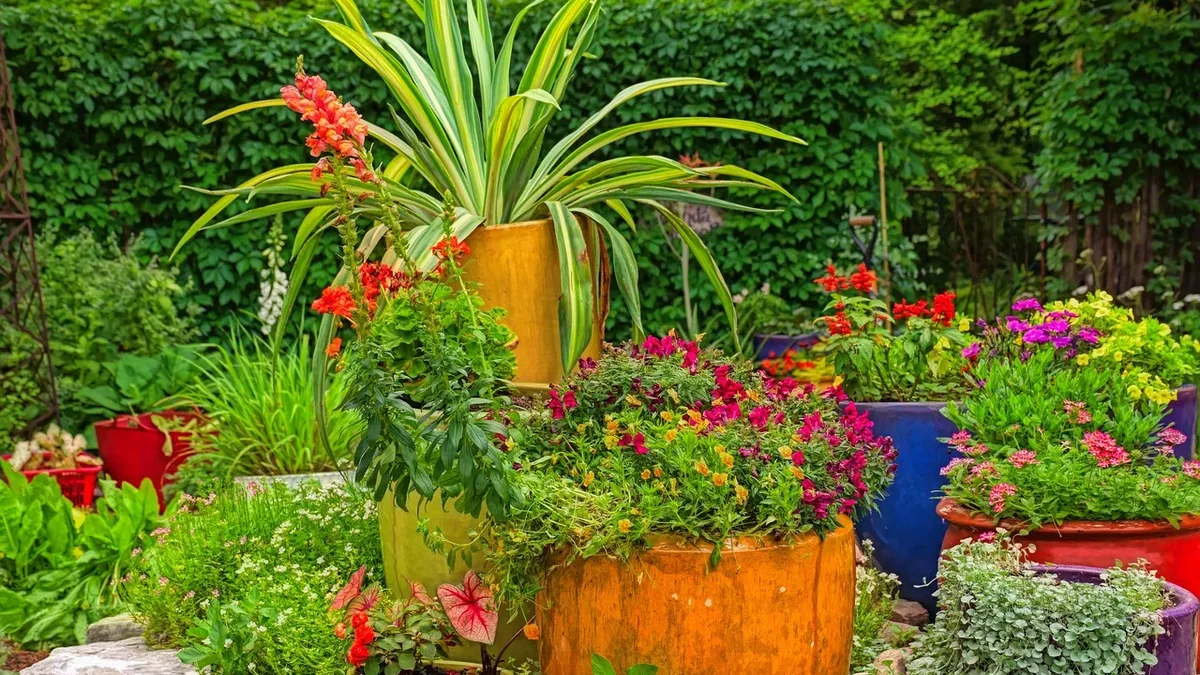
St. Louis Gardener's Patio Blooms with Perennials
A gardener in St. Louis, Missouri, has transformed a new patio into a dense, colorful space filled with perennials and annual containers, sharing her
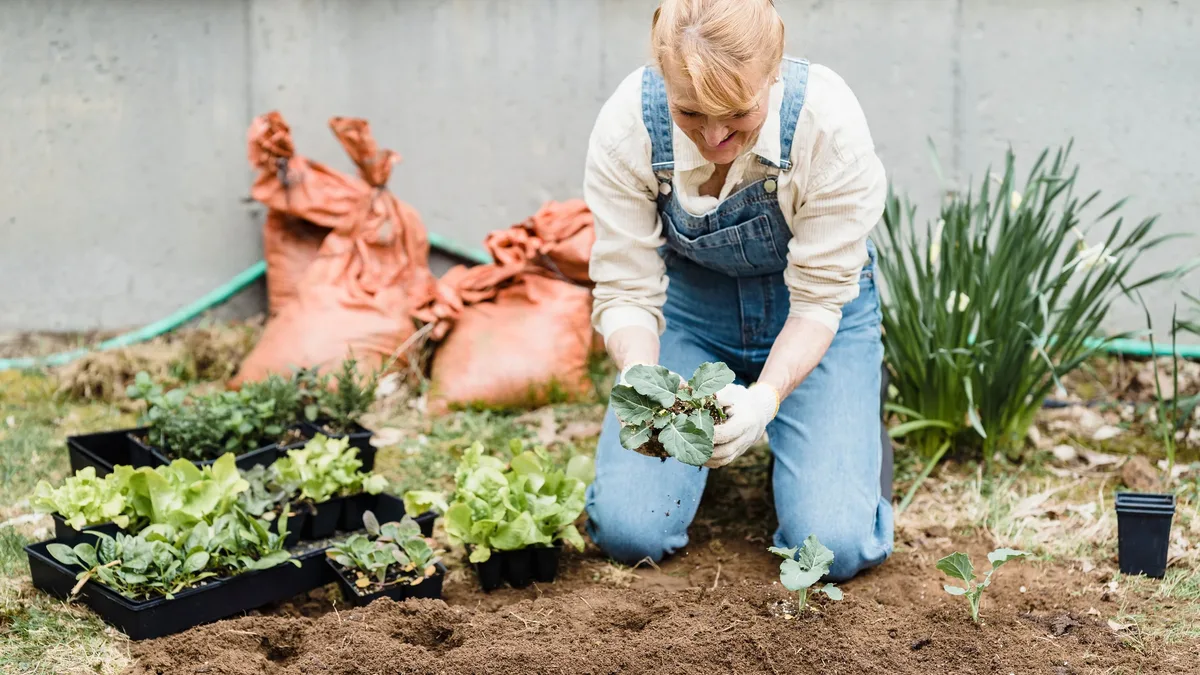
Maryland Gardener Enlarges Pond and Revamps Patio Borders
A Maryland gardener in Zone 7a expanded a small pond and redesigned her patio garden in 2025-2026, focusing on edible and native plants in a...
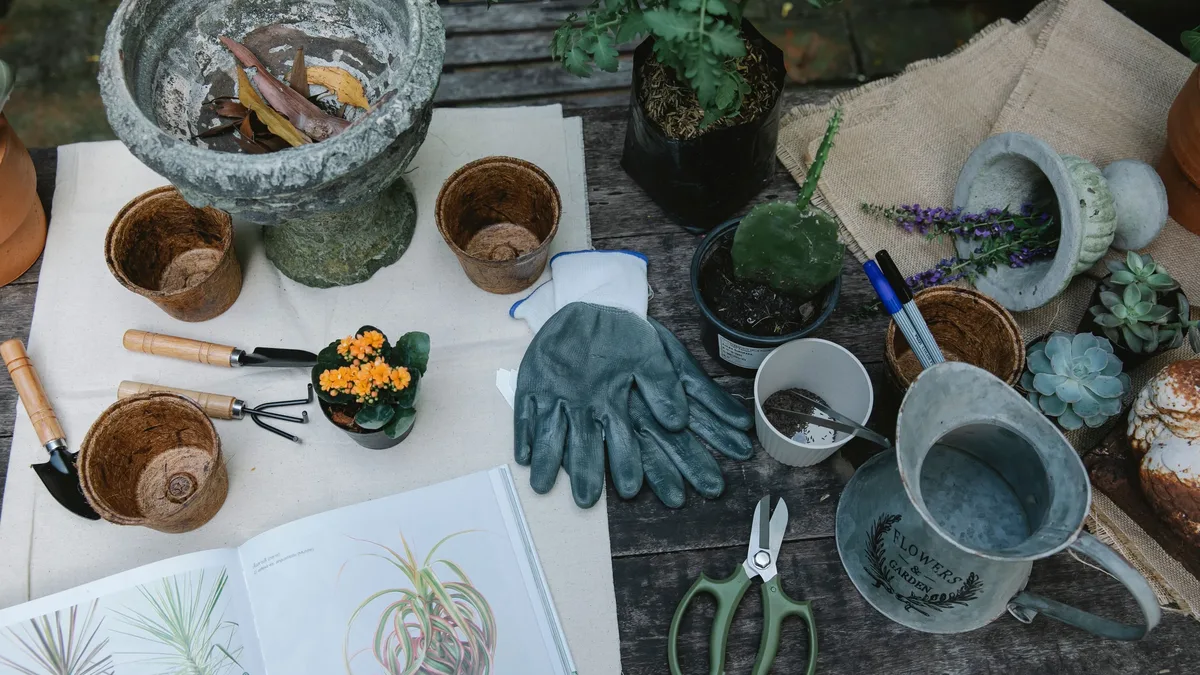
Check Self-Watering Pots for Overflow Holes Before Fall
Gardeners must verify self-watering containers and raised beds have an overflow drainage hole before September's heavy rains to prevent plant root...
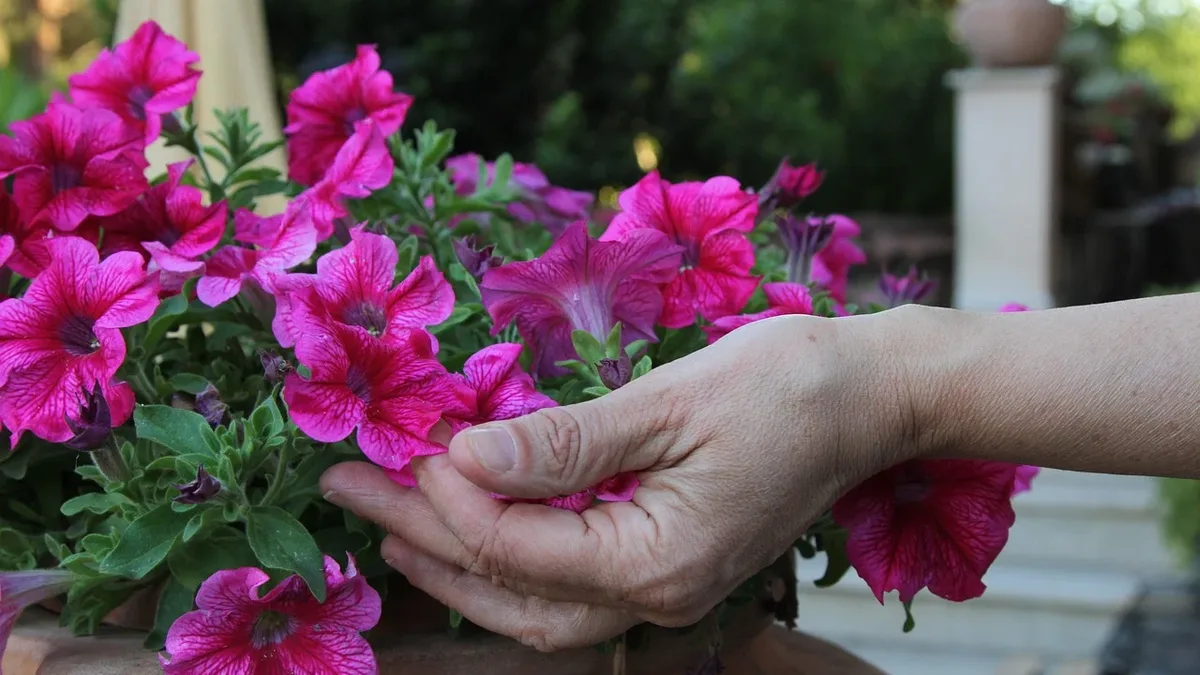
Tomato Feed Boosts Late Summer Flowers
Applying tomato feed to patio containers in late summer encourages a final flush of blooms with its high potassium, hardening plants before frost.
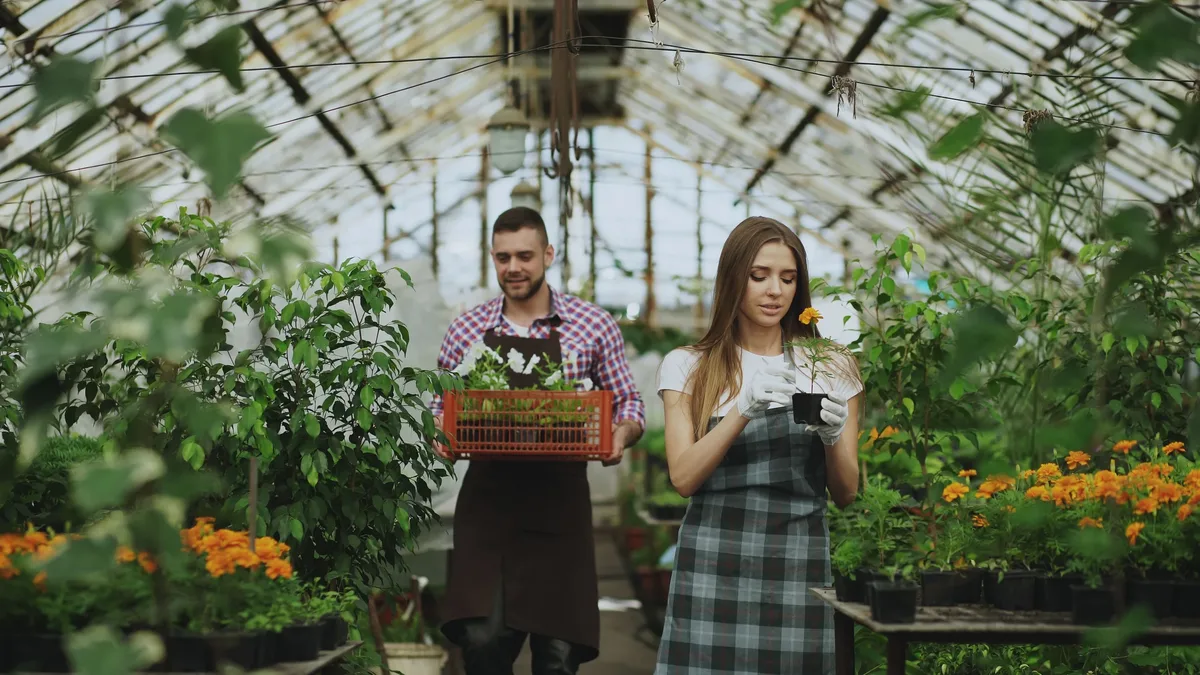
Transforming Tiny Balconies and Patios into Cozy Outdoor Retreats
A practical guide shows how to refresh, green, shade, light, and furnish small outdoor areas using affordable tools, vertical planting, compact...