
August
| Month number | 8 |
|---|---|
| Country of origin | Roman Empire (Italy) |
| First created | 8th century BCE (Roman calendar reform) |
| Original use | Named in honor of Augustus Caesar |
| Days in month | 31 |
| Season (Northern Hemisphere) | Summer |
| Season (Southern Hemisphere) | Winter |
| Zodiac signs | Leo, Virgo |
| Birthstone | Peridot |
Origin and history
August is the eighth month of the year in the Gregorian calendar, with its origins tracing back to ancient Rome. It was originally the sixth month in the earliest Roman calendar, which began in March, and was known as *Sextilis*, meaning "sixth". The month was renamed in 8 BCE in honor of the first Roman emperor, Augustus Caesar. This renaming followed the precedent set by his predecessor, Julius Caesar, for whom the previous month, July, was named. The Senate chose this month for the honor because several of Augustus's most significant triumphs, including the conquest of Egypt, occurred during it. The length of the month was also increased from 29 to 31 days to match the length of July, ensuring the emperor's namesake month would not be inferior.
What it is for
In the temperate Northern Hemisphere, August primarily serves as a pivotal period for harvesting a wide range of agricultural crops and managing late-summer growth. It is a critical month for gathering staple grains, such as wheat and barley, and for bringing in key fruit harvests including early apples, plums, and the main season for many berry varieties. For gardeners, August is for sowing fast-maturing cool-season crops like spinach, radishes, and certain lettuces for a fall harvest, as well as for diligent watering and pest control during peak heat. The month is also traditionally for preserving the season's bounty through canning, drying, and freezing in preparation for winter. In many cultures, August marks a period for community fairs and festivals that historically centered around agricultural shows and harvest celebrations. Furthermore, the month serves as the final full month of meteorological summer, a time for completing major outdoor projects and maintenance before autumn.
Pros and cons
A significant advantage of August is the reliable, long daylight hours and generally stable, warm weather in many regions, which provides ideal conditions for ripening heat-loving crops like tomatoes, peppers, and corn to their peak flavor. The month offers the last guaranteed window for robust outdoor activity and garden productivity before seasonal shifts begin. A primary con is the frequent occurrence of drought stress and intense heat waves, which can scorch plants, require substantial irrigation, and halt many forms of outdoor labor during peak daytime hours. Many gardeners regret not implementing consistent deep-watering systems early in the season, as surface watering in August proves ineffective and leads to shallow root systems vulnerable to heat. The month is also notorious for heightened pest and disease pressure, with populations of insects like aphids and cucumber beetles reaching their zenith and fungal diseases thriving in humid conditions. A common mistake is neglecting to harvest vegetables like zucchini and beans daily, leading to oversized, fibrous produce that reduces the plant's overall yield and quality.
Who it suits
August suits the diligent and proactive gardener who is prepared to manage water resources carefully and monitor plants daily for signs of stress or infestation. It is well-suited for those focused on food preservation, providing the bulk of the harvest needed for canning, fermenting, and storing. The month favors growers in regions with long, consistent growing seasons who can successfully cultivate late-summer succession plantings and extended harvests. It is less suited for beginners who may be overwhelmed by the combined pressures of irrigation, pest control, and harvest timing, or for those who travel frequently during this period, as gardens can deteriorate rapidly without daily attention. August also suits cultivators of specific late-summer ornamentals, such as sunflowers, dahlias, and many perennial grasses, which reach their spectacular peak during this month. Finally, it is the definitive month for those seeking to capture and utilize the full intensity of the summer season for both productivity and enjoyment before the transition to autumn.
Latest August news
Latest reporting
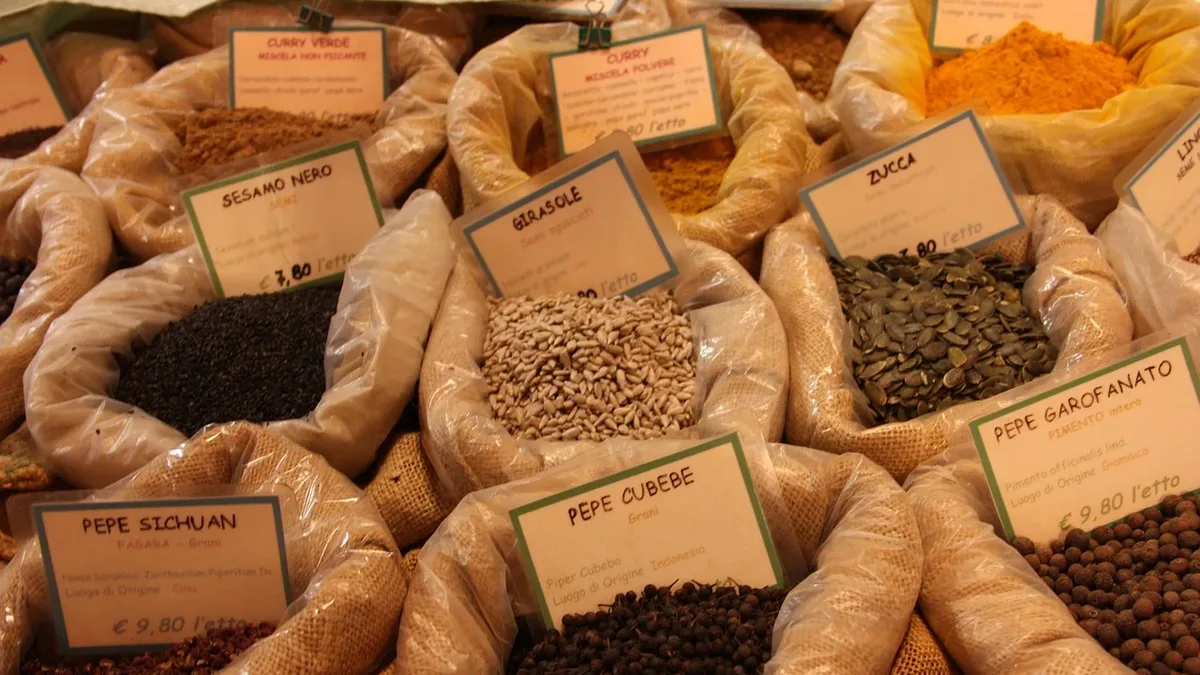
Six herbs to plant in August for fall harvest
Gardeners can plant six herbs in August to extend the harvest into fall, with some lasting until frost or returning next spring.
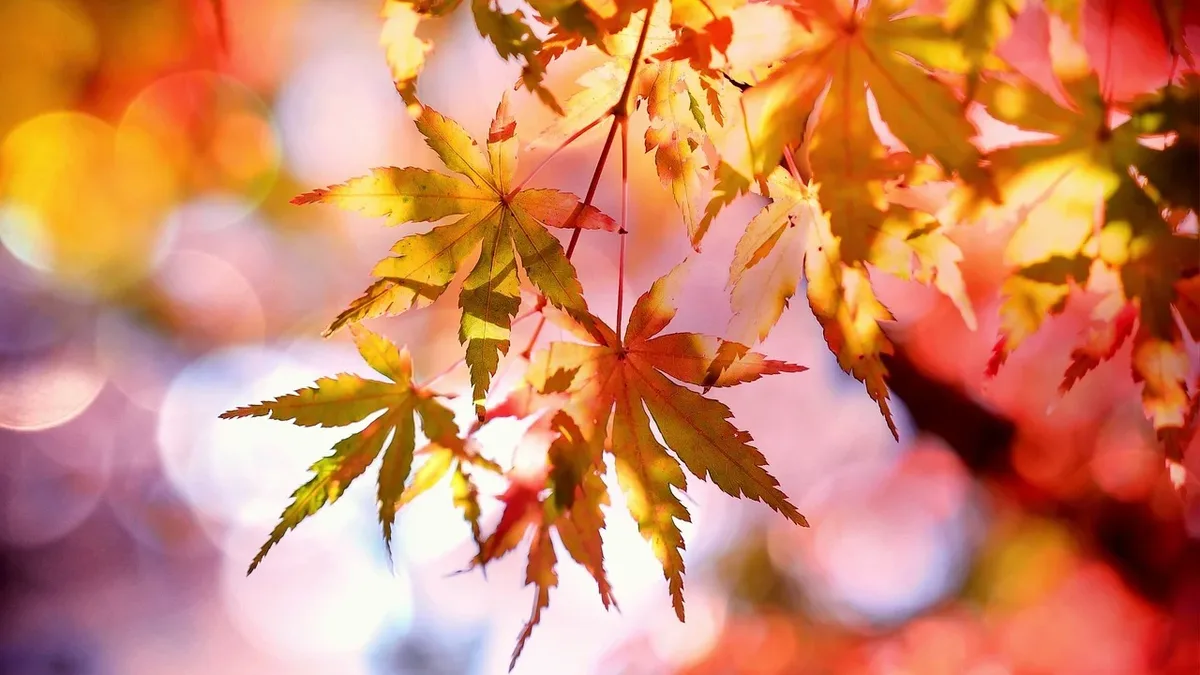
Japanese Maple Care in August for Fall Color
Gardening expert Kayleigh outlines three key August tasks, consistent watering, avoiding fertilizer, and stress protection.
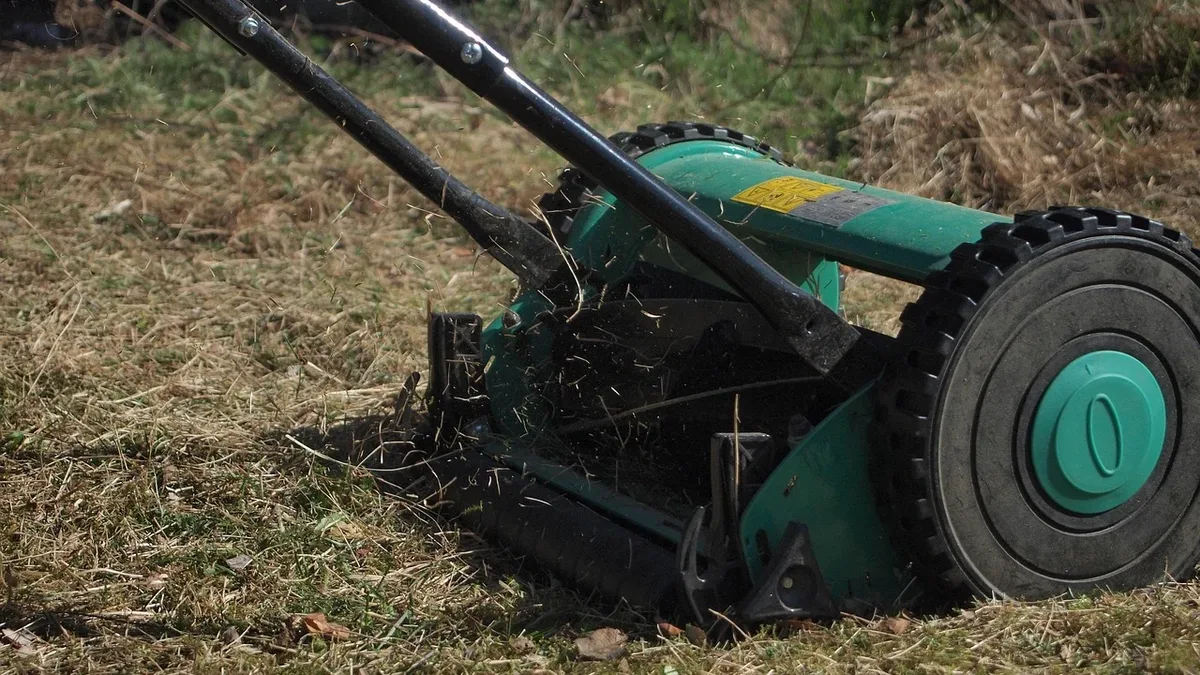
How Often to Mow Your Lawn in August
August lawn mowing should be responsive, not scheduled. The key is the one-third rule: only cut when you can remove one-third or less of the grass...
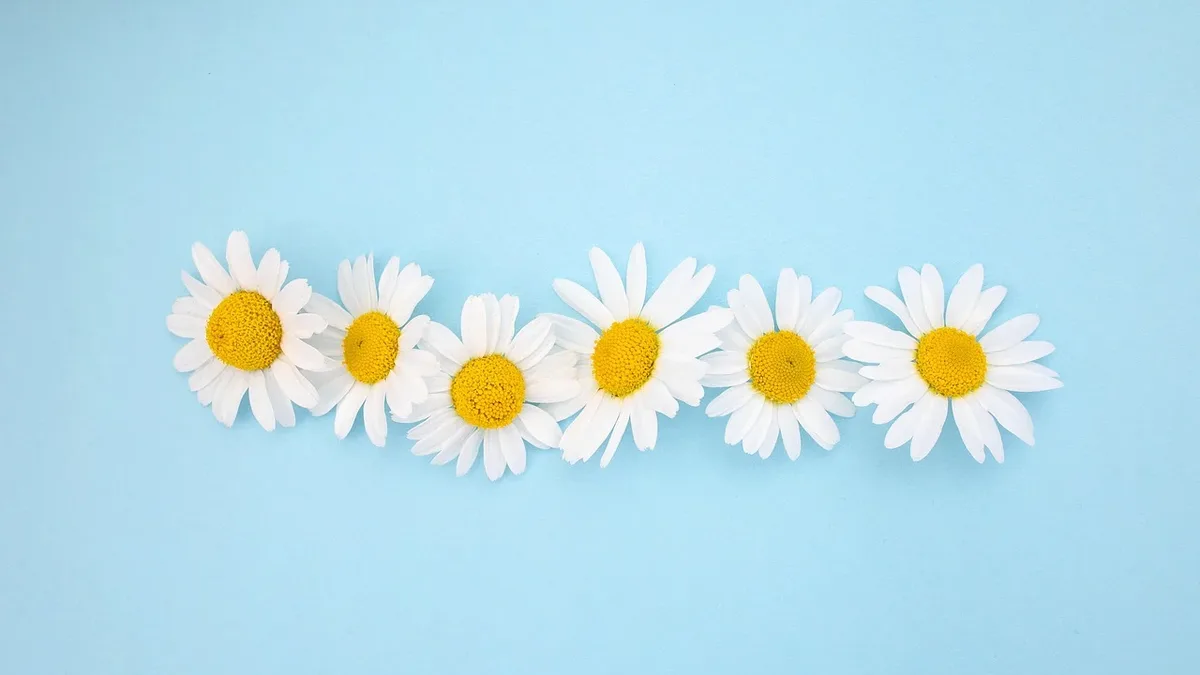
Divide These Five Perennials in August to Rejuvenate Them
Gardening Know How recommends dividing bearded iris, Shasta daisies, common yarrow, hostas, and daylilies in August to rejuvenate plants and...
Cut Back These 8 Tired Perennials Before August Ends
Pruning specific perennials in late August can trigger a second flush of blooms before winter, according to gardening advice from Gardening Know How.
Budget Backyard Ideas to Bring Fall Style Without Breaking the Bank
Gardening Know How offers ten inexpensive ways to add fall color to a yard, from planting bulbs to DIY water features, all doable before August ends.