How Often to Mow Your Lawn in August
August lawn mowing should be responsive, not scheduled. The key is the one-third rule: only cut when you can remove one-third or less of the grass blade.
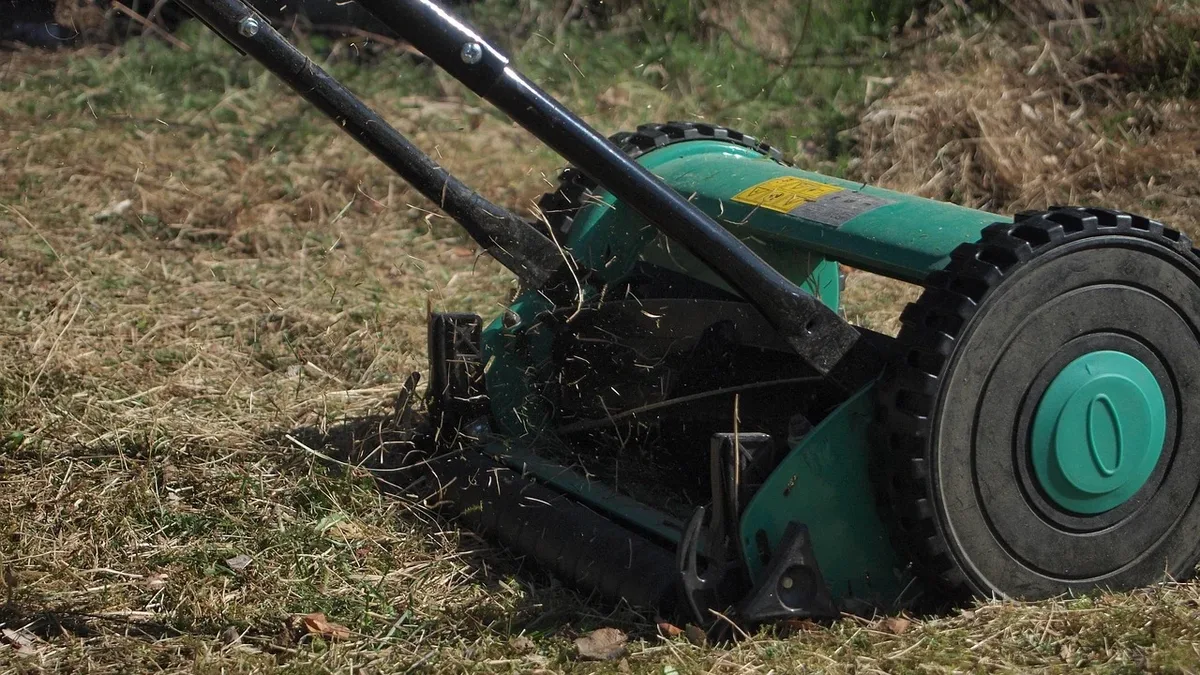
Your lawn mowing frequency in August should slow down compared to early summer, but you should not stop entirely. According to Gardening Know How, mowing too much or too little now can cause problems for your grass in the fall.
Several factors dictate how often you should cut the grass. The primary consideration is the growth rate, which varies with weather. In many regions, August is hot and dry, leading to slower growth and less frequent mowing needs.
Finding the Right Balance
Repeatedly cutting slow-growing grass in hot, dry conditions adds stress. Cutting too often and too short in August is a bigger potential issue than letting grass get overgrown. Problems from over-mowing include compounding weather stress, reducing the grass's photosynthetic ability, and making it more vulnerable to disease, pests, and weeds.
This stress can also interfere with the recovery grass undergoes in early fall.
However, letting grass become overgrown creates other issues. Tall grass blocks sunlight and airflow, traps moisture, and increases the risk of fungal diseases. It also attracts pests. If you cut too infrequently, grass will put energy into seedheads instead of strong roots for winter dormancy.
Rule of Thumb for August Mowing
There is no universal schedule for August. Mowing should be based on observation. If rainfall is regular and temperatures are moderate, you may need to mow once a week through August and into September. Under hot and dry conditions, mowing every two weeks might suffice.
The best general rule is the one-third rule. Never remove more than one-third of the grass height in a single session. If the lawn hasn't grown enough to require removing one-third or less of the blade, it is not time to mow.
Factors That Affect Mowing Frequency
Understanding what affects turf growth helps you apply the one-third rule effectively. Key factors include grass type, water, temperature, and local lawn conditions.
As grass prepares for dormancy, it is generally best to keep it a little taller by lifting your mower blades. Ensure the blades are sharp; dull blades from summer use should be sharpened. This helps maintain a dense, resilient lawn that can better compete with weeds and recover from summer stress. Avoid mowing on autopilot and be more thoughtful with your late summer lawn care.
Source: Gardening Know How