Dot's Pennsylvania garden extends color into fall
In Broomall, Pennsylvania, Dot is planting perennials and bulbs in her Zone 7b garden as summer ends. Her documented plant pairings provide sustained color and pollinator support into the cooler months.
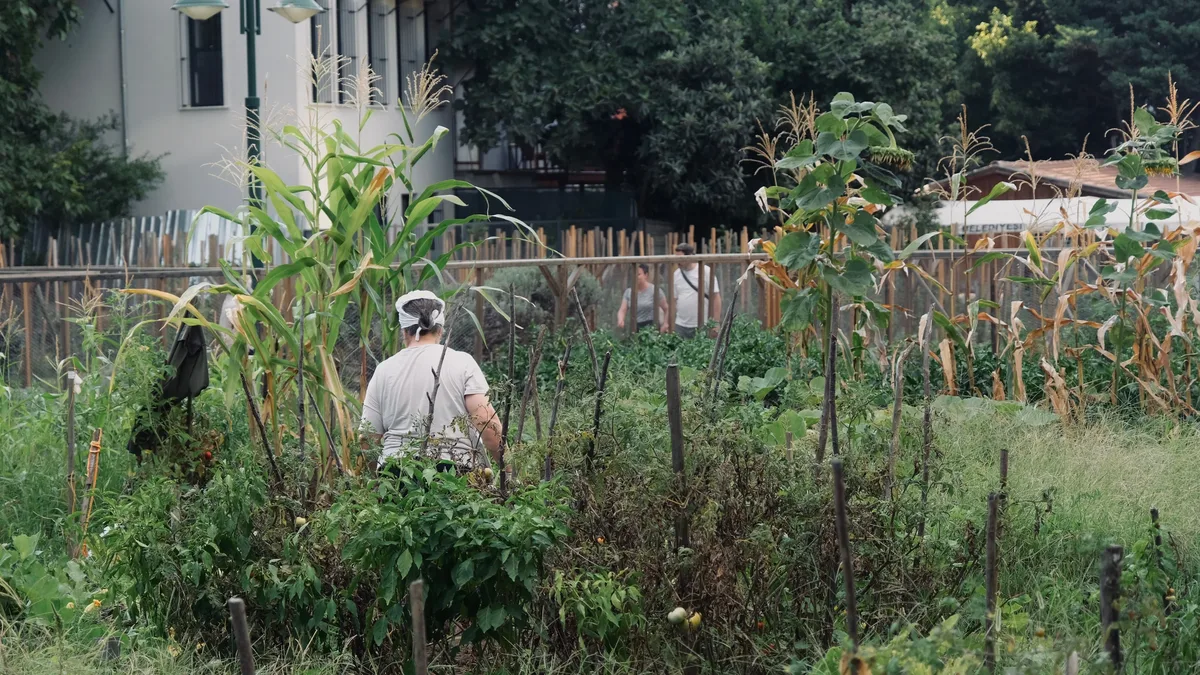
Dot is planting perennials and bulbs in her Zone 7b garden in Broomall, Pennsylvania, even as summer slips away. The longtime garden contributor continues her multi-season documentation, offering a living record of trial and adjustment for similar climates. Her strategic combinations aim to sustain visual impact well into fall.
Key plant combinations in the garden
Dot's garden features specific, tested pairings. An 'Abraham Darby' rose climbs the arbor with Veronica filling in around its base. Behind a seating area, daylilies mingle with Shasta daisies. A Cathedral Bells rose climbs alongside a 'Jackmanii' clematis.
This year, Helenium is a new addition. In one area, a grouping of Lythrum, white garden phlox, bush clematis, agastache, and Russian sage is planted together. Bright orange nasturtiums, which Dot says make a great seasonal ground cover, weave through purple coneflowers. Another raised bed is filled with Shasta daisies, purple coneflowers, and yarrow.
| Plant Name | Botanical Name | USDA Hardiness Zones |
|---|---|---|
| 'Abraham Darby' rose | Rosa 'Abraham Darby' | 5-9 |
| Veronica | Veronica cvs. | 3-9 |
| Daylily | Hemerocallis cvs. | 3-10 |
| Shasta daisy | Leucanthemum × superbum cvs. | 5-9 |
| Cathedral Bells rose | Rosa 'DELamo' | 5-9 |
| 'Jackmanii' clematis | Clematis 'Jackmanii' | 4-8 |
| Helenium | Helenium cvs. | 3-8 |
| Lythrum | Lythrum cvs. | 3-9 |
| White garden phlox | Phlox paniculata cvs. | 4-8 |
| Bush clematis | Clematis cvs. | 3-9 |
| Agastache | Agastache cvs. | 4-9 |
| Russian sage | Salvia yangii | 4-9 |
| Nasturtium | Tropaeolum majus | Annual |
| Purple coneflower | Echinacea purpurea cvs. | 3-9 |
| Yarrow | Achillea millefolium cvs. | 3-9 |
Function and design of the plantings
The selected combinations provide sustained color, texture, and structure. They support pollinators that remain active as the season changes. Dot's garden experiences the full range of regional conditions, from humid stretches to cooler nights.
Her observations show how foliage, texture, and late flowers sustain interest. The right pairings provide color and structure when the landscape often loses definition. "I really like how the saturated orange mixes with the deeper pink coneflowers," Dot said of the nasturtium and coneflower combination.
Color can transition gracefully into fall when plants are paired strategically from the start. Repeating successful pairings across beds creates cohesion. It also reduces the need for mid-season replacements.
Gardening is an ongoing process rather than a single-season event. Dot's Pennsylvania garden demonstrates this principle vividly. Gardeners can apply her insights by observing which plants maintain presence after summer's peak. Repeating successful pairings across their own beds extends visual interest.