Fall pruning mistakes with lilacs, forsythia, and azaleas
Pruning certain shrubs in autumn removes next year's flower buds and stimulates tender growth vulnerable to winter damage, harming spring blooms and plant
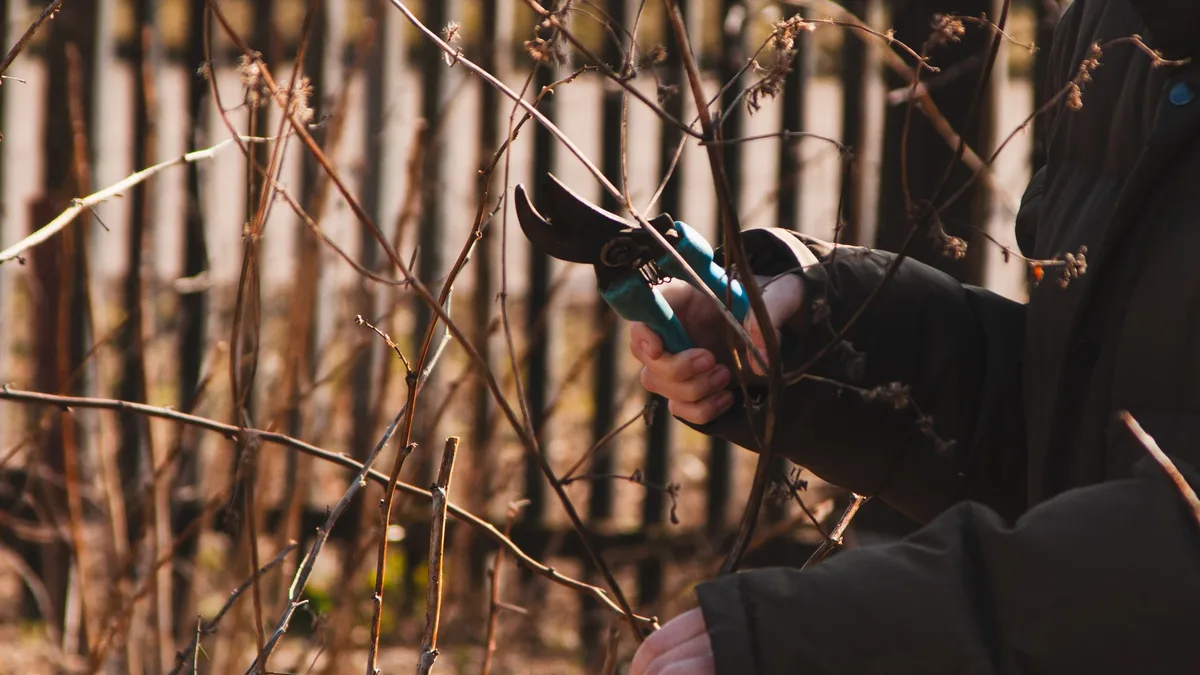
Pruning lilacs, forsythias, and azaleas in fall is a common mistake that removes buds set for next spring’s flowers, reducing or eliminating blooms. Lilacs set buds for next year’s flowers right after they finish blooming in early summer. The moment to do structural pruning is immediately after they finish flowering, usually around June. Every snip in October removes one or more of these new buds, meaning fewer flowers in spring.
Forsythia shrubs bloom on old wood, forming buds for the following year’s blossoms just after the current flowers have faded. Pruning forsythias in October, or any time from midsummer to winter, will drastically reduce their blossoms the next spring. Azaleas set buds for next spring’s blossoms after the spring blooms fade, so pruning in October cuts off next spring’s blossoms before they appear.
How fall pruning harms plant health
Cutting plants in autumn stimulates tender new growth that fails to harden off before winter, leading to dieback, breakage, and disease. Pruning encourages new growth that appears in late fall and will still be tender when the first freeze arrives, leading to winter dieback. Tender new growth from fall pruning may freeze, stressing the shrub. Fall pruning of azaleas boosts tender new growth that will not have a chance to harden off before the first frost.
Fresh pruning cuts on wet autumn days lead to risks of fungal infections and rot. Pruning 'Emerald Green' arborvitae in fall leaves wounds making the plant susceptible to fungal diseases during the wet season. Stems from fall pruning can be damaged by ice, causing bare spots, or snap easily under heavy winter snow or ice loads. Pruning in fall stimulates growth at the wrong time, and the soft new growth does not have time to toughen up before winter freezes.
What to do instead with certain evergreens and grasses
While some plants like 'Emerald Green' arborvitae and pink muhly grass should be left alone or trimmed only in spring, others offer winter value when unpruned. Pink muhly grass provides its most spectacular show in September with massive, cloud-like airy pink seed heads. The texture, color, and movement of this grass last right into the cold months, offering food and cover for wildlife. Its top growth also protects the crown from cold temperatures and blocks moisture from pooling.
'Emerald Green' arborvitae is a classic evergreen with a naturally narrow shape, popular for privacy hedges and backdrops. The attractive green foliage stays dense and attractive all year round. Teo Spengler said: "Put down the pruners! It's best to leave these plants alone in fall." If you want to tidy up your 'Emerald Green' arborvitae, do so in late spring or early summer.