Bare-root plants cut hedge and tree costs by half
Planting hedges, roses, and trees as bare-root stock during the dormant season offers major savings, often at less than half the price of potted equivalents, while being more eco-friendly.
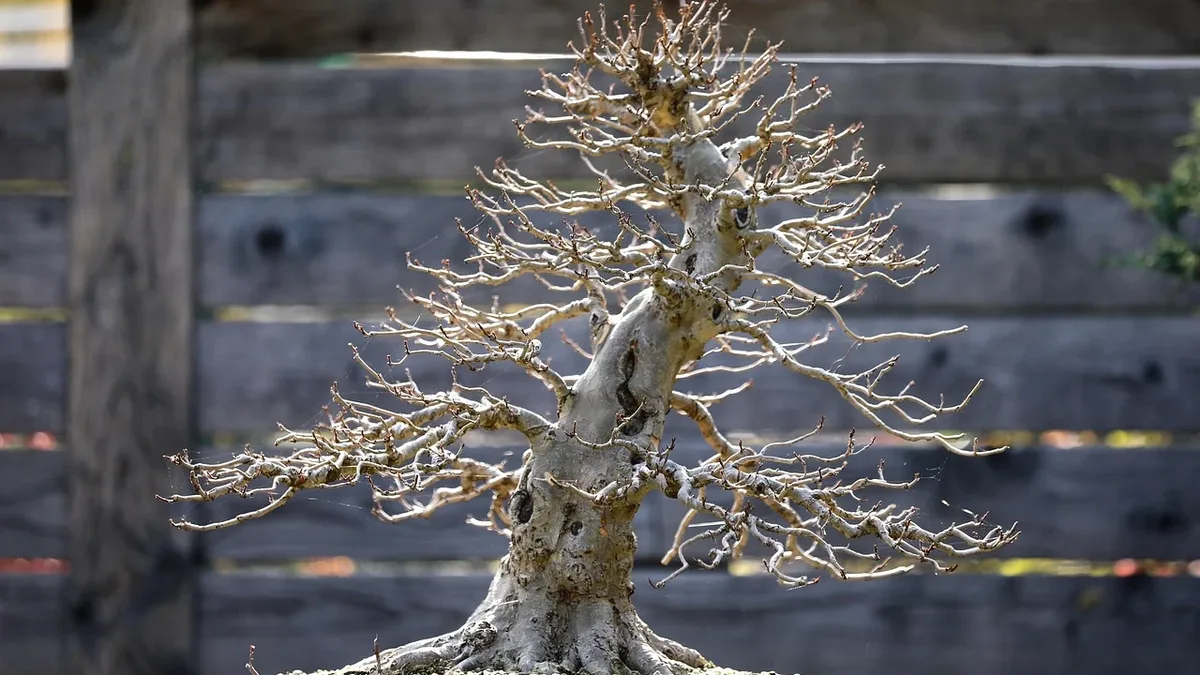
Bare-root plants offer significant cost savings for gardeners planting trees, roses, and hedges. These plants are grown in the ground, lifted when dormant, and sold without soil on their roots, making them cheaper and less prone to root issues than potted alternatives.
They are cheaper to grow because they require less work and fewer resources. Their eco-friendly credentials come from reduced use of compost, plastic pots, and packaging, plus a lighter transport weight. They avoid the risk of being pot-bound. A young tree or shrub as bare-root stock is often half the price of its potted counterpart. Without soil, they weigh less and experience less transplant shock. Gardeners who compare prices at local nurseries or online suppliers consistently find bare-root selections offer the strongest value for common landscape additions.
Cost savings for hedges and bulk planting
Planting bare-root stock for hedges or multiple plants delivers substantial savings. Savings are particularly good when buying multiple plants, such as for hedges. Hopes Groves Nurseries offers beech hedging starting at just over £1 per plant for bare-root, while the same hedging in pots starts at around £6 per plant.
| Planting Type | Approximate Cost for 15m Hedge | Cost Per Plant (Beech Example) |
|---|---|---|
| Bare-root | £60-£80 | Just over £1 |
| Potted | Around £450 | Around £6 |
| Instant Hedge (full height) | Around £3,000 or more | Around £200 per metre |
Homeowners planning multiple plantings for hedges or orchard rows notice cost savings quickly when ordering in quantity. Hedge success depends on proper planting and aftercare, regardless of plant type.
Planting timing and availability
Bare-root plants are only available and should be planted between late autumn and early spring during dormancy. The planting window runs from late fall through early spring. Many perennial sellers offer bare-root only in winter and pot-grown the rest of the year.
Retailers and nurseries ship them with minimal packaging. The dormant period keeps plants in a resting state, allowing root establishment before warm weather arrives. In many regions, planting can begin once the ground thaws enough to dig and continues until buds swell in spring. Missing the bare-root planting window forces reliance on more expensive container plants later in the year. Soil temperature and moisture levels during the dormant season favor root development. Gardeners who prepare beds in advance can move plants into the ground as soon as they arrive. Checking local frost dates helps determine the safest start and end points.
Specific recommendations for roses, trees, and aftercare
Bare-root roses can offer a wider selection, including heritage varieties. David Austin promotes bare-root plants and states each plant is £11 cheaper than its potted equivalent. Ordering three bare-root King’s Roses results in a saving of £33 over the potted version. Liam Beddall, the Head Rosarian for Rose Garden Design, advised that roses look their best when planted in groups of three. David Austin notes potted roses are good for instant impact, such as filling a summer gap.
For trees, award-winning plant grower Jamie Butterworth advises checking how high a tree will be in 5-10 years before purchase. Smaller, younger trees establish more quickly but need watering in dry summers for the first few years. In 'How To Plant a Tree', he advises not planting trees too deeply, as it is the most common reason for failure. He advises ensuring the sloping shoulders of the roots are visible above the soil. Guy Watts of Architectural Plants advises on using trees as screening plants effectively.
Bare-root and potted plants are younger and smaller, establishing more easily but taking at least 2-3 years to reach the height of a 'proper hedge'. Morris Hankinson of Hopes Grove Nurseries said: "Keep the area around your new hedge free of weeds and water regularly when needed."
Availability and sourcing of bare-root plants
Bare-root plants are rarely found in garden centres because they are dug up and sent directly when bought online. Individual growers like The No Name Nursery take bare-root plants to plant fairs. Bare-root perennials are available, including peonies, hardy geraniums, hostas, and astilbes, though availability and ideal planting times vary. Lower production and transportation costs from bare-root shipping pass directly to buyers.
Different hedging plants and soils may require different planting styles; follow supplier instructions. Upon arrival, gardeners should soak the roots in water for several hours to rehydrate them. A hole wide enough to spread the roots fully and deep enough to cover the root flare produces the best results. Steve and Lou from the No Name Nursery said: "Fill the hole with water and let it drain twice." Gardeners should prepare planting beds in advance, soak bare-root roots upon arrival, and plant with the root flare visible to ensure successful establishment.