Jobs By Hardiness Zone And Region
Origin and history
The concept of organizing garden tasks by hardiness zone and region originated in the United States during the mid-20th century. It developed as a direct application of the USDA Plant Hardiness Zone Map, which was first published in 1960 and has been updated several times since. This framework for gardening advice systematized what had been largely experiential, localized knowledge passed between generations of gardeners. The regional component was added to account for climatic variations within zones, such as coastal influences, altitude, and precipitation patterns. The practice gained widespread popularity through cooperative extension services and printed gardening almanacs in the latter part of the 20th century. Its migration to digital platforms and specialized websites represents the modern evolution of this organizational method for horticultural timing.
What it is for
This system is a scheduling tool designed to align gardening activities with optimal biological and climatic windows. Its primary function is to prevent common timing errors, such as planting tender crops before the last frost or pruning certain shrubs at the wrong time of year. It translates the abstract data of a hardiness zone number into actionable, month-by-month task lists tailored to a gardener's specific geographic region. The framework helps in planning sequential chores, from soil preparation and seed sowing to harvesting and winter protection, throughout the entire annual cycle. It serves as a preventative guide against weather-related plant loss and inefficient labor by providing regionally appropriate deadlines. Ultimately, it standardizes gardening advice in a vast country with highly variable climates, offering a reliable starting point for both novices and experienced practitioners.
Pros and cons
A significant advantage is the system's ability to provide a highly relevant starting point, drastically reducing the risk of frost damage or heat stress by using scientifically derived zone boundaries. It creates a structured calendar that helps gardeners plan their workload and purchase supplies, like seeds or mulch, at the appropriate times. However, a major con is that it can lead to over-reliance, as microclimates within a single zone or unusual weather patterns in a given year are not accounted for by the static map. Gardeners who follow it rigidly without observing their own garden's conditions, such as soil temperature or local rainfall, often regret missed opportunities or plant failures. The common mistake is treating the zone and monthly recommendations as absolute mandates rather than flexible guidelines that require local observation and adjustment. Furthermore, the system primarily addresses temperature extremes and may not fully integrate other critical factors like humidity, pest emergence times, or specific soil types prevalent in a region.
Who it suits
This system is particularly suited to beginner and intermediate gardeners who lack the accumulated experience to intuitively know seasonal task timing in their area. It also benefits gardeners who have recently relocated to a new climate zone, providing them with an immediate framework to understand their new growing conditions. Methodical planners who appreciate a structured, calendar-based approach to their garden management will find this system highly useful. It is less suited to highly experimental gardeners or those working with very unique microclimates, such as urban heat islands or protected valleys, where standard zone advice may be misleading. Agricultural extension services, community garden coordinators, and horticultural educators frequently use this system as a foundational teaching tool. Ultimately, it serves anyone seeking a reliable, generalized schedule to which they can then apply their own observations and refinements.
Latest Jobs By Hardiness Zone And Region news
Latest reporting
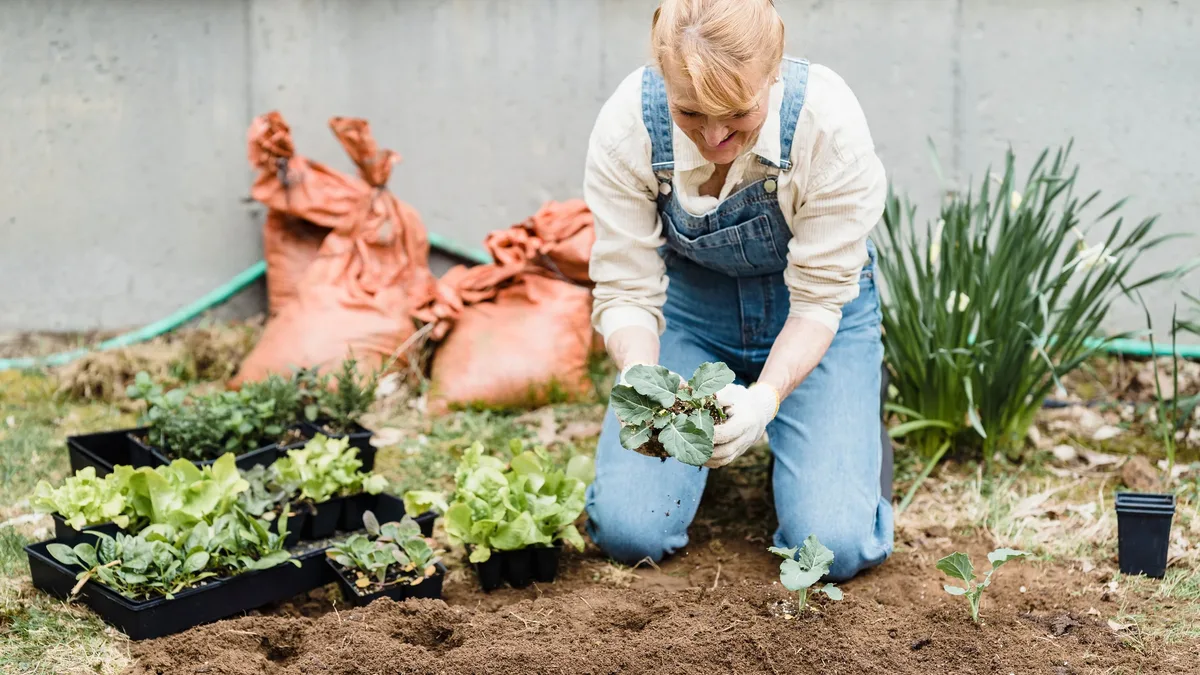
Maryland Gardener Enlarges Pond and Revamps Patio Borders
A Maryland gardener in Zone 7a expanded a small pond and redesigned her patio garden in 2025-2026, focusing on edible and native plants in a...
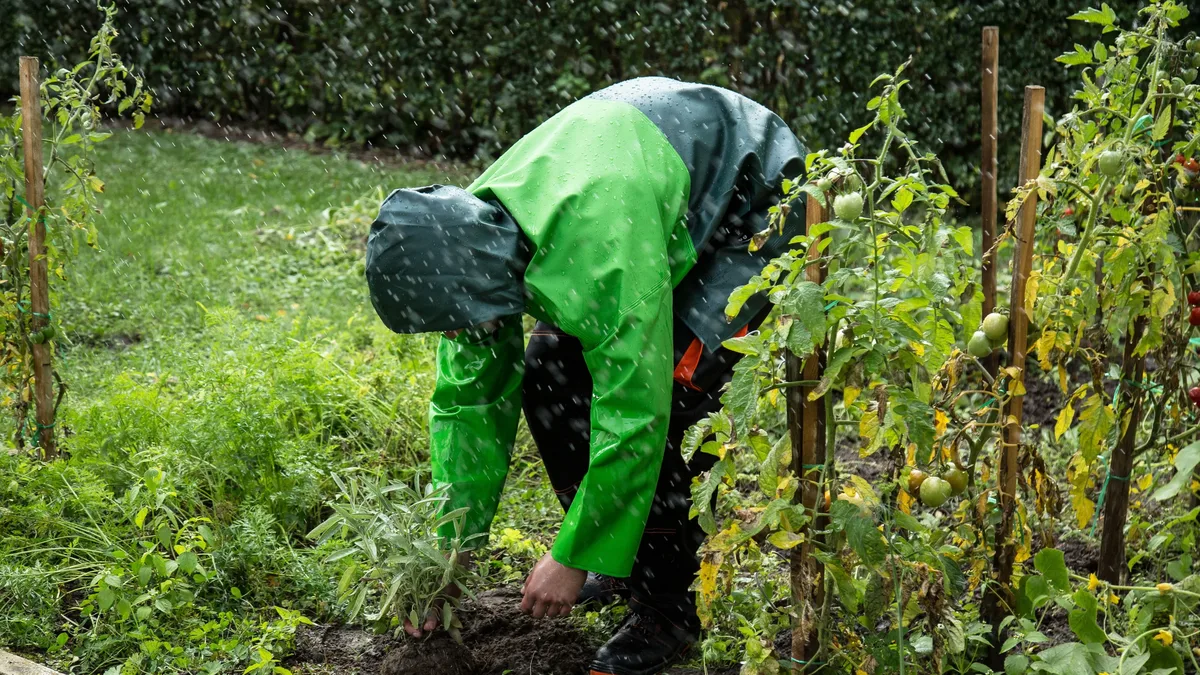
Candice's New Jersey Garden Adapts to Sudden Sunlight
A gardener in Newton, New Jersey, shares how her Zone 6a garden evolved after a neighbor's tree removal dramatically increased sunlight, forcing plant
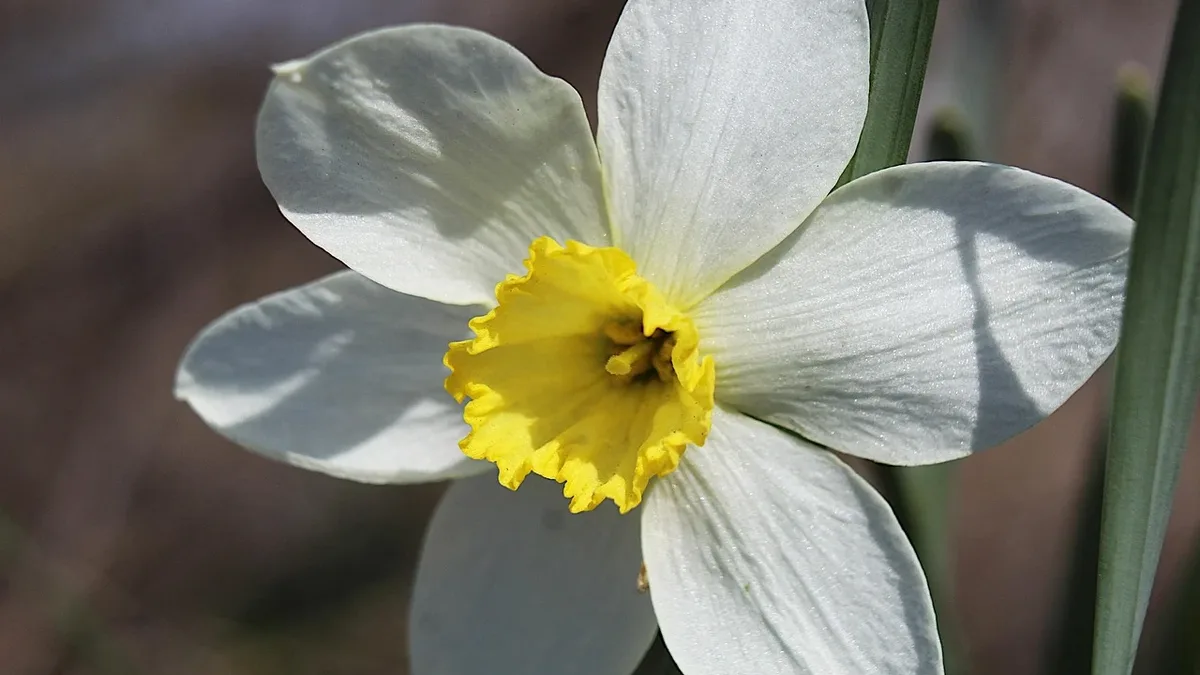
Narcissus 'Thalia' Daffodil Gains Favor Over Classic Yellow
The fragrant, white-flowered Narcissus 'Thalia' is becoming a preferred choice for spring planting, offering hardiness, shade tolerance, and a...
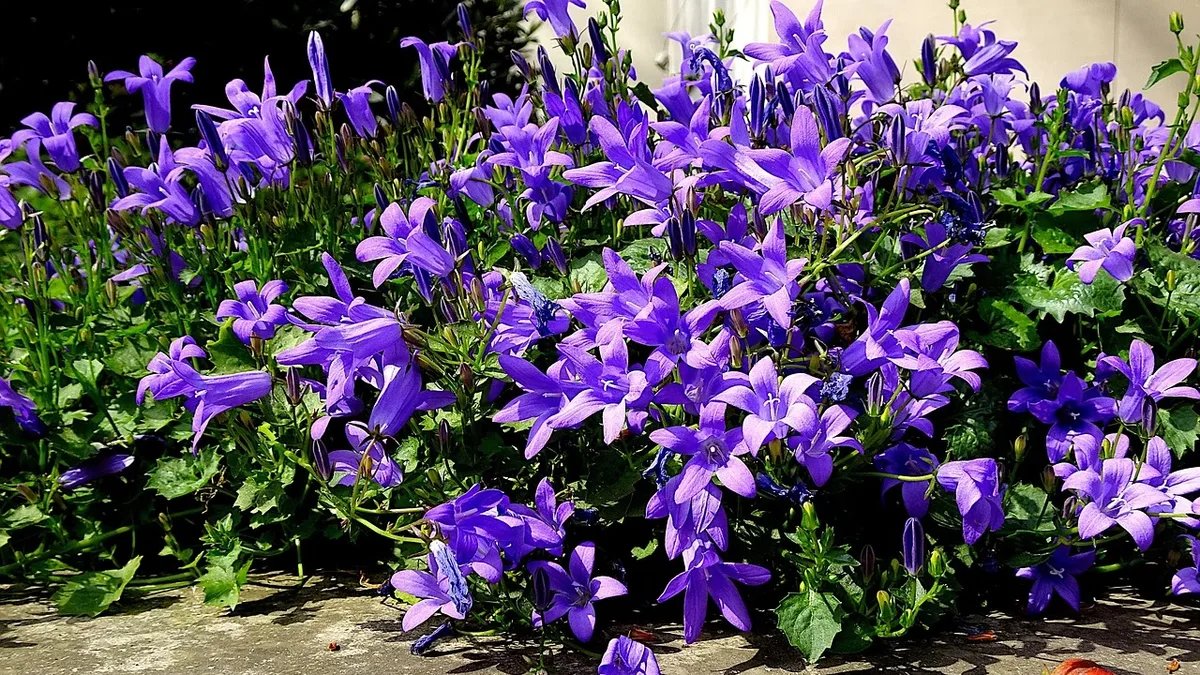
Brittney's Chicago Container Gardens Foster Healing
A Chicago gardener in Zone 6a shares how creating vibrant container gardens became a therapeutic practice and a source of family connection, moving...
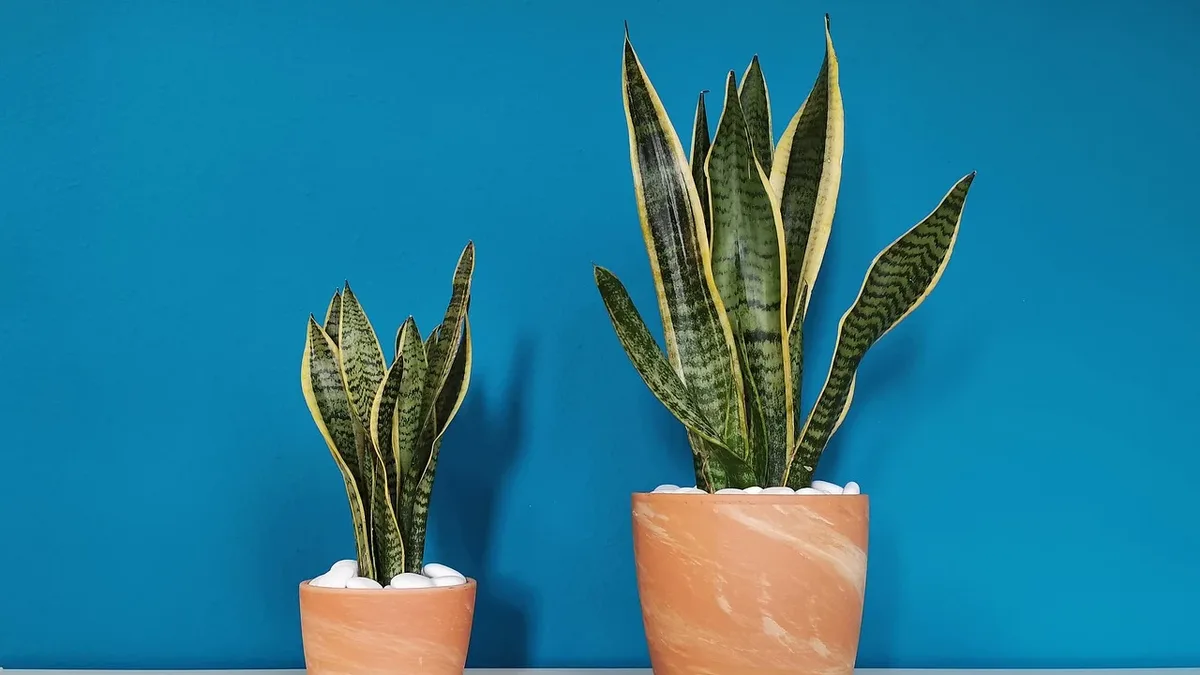
Shade-Loving Plants for Tough Gardens
Two horticulture experts recommend resilient plants for challenging shady areas, listing specific species and cultivars suited to various hardiness...
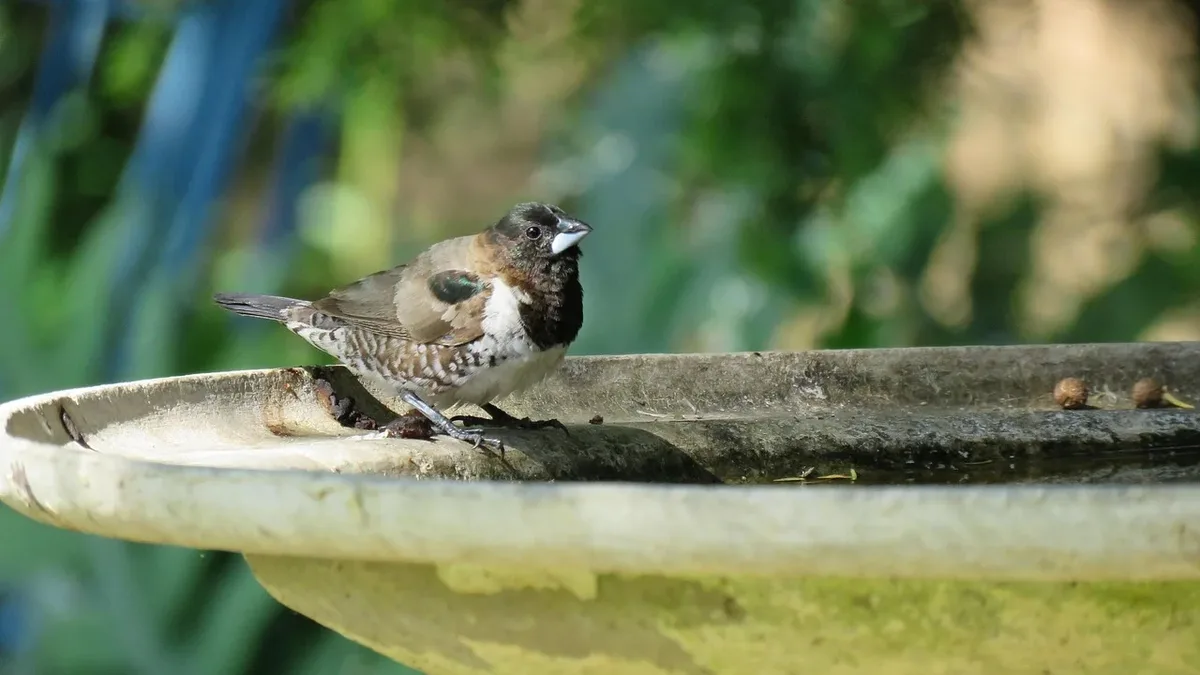
Rattlesnake Master: Prairie Native Outshines Mediterranean
Rattlesnake master, a striking prairie native, is quietly replacing Mediterranean drought-tolerant plants in gardens, offering hardiness, wildlife...