October Dahlia Care Balances Bloom Extension and Tuber Preparation
Early October is peak dahlia flowering, requiring deep watering, deadheading, and pest control to extend blooms while adjusting care to prepare tubers for winter dormancy based on climate zone.
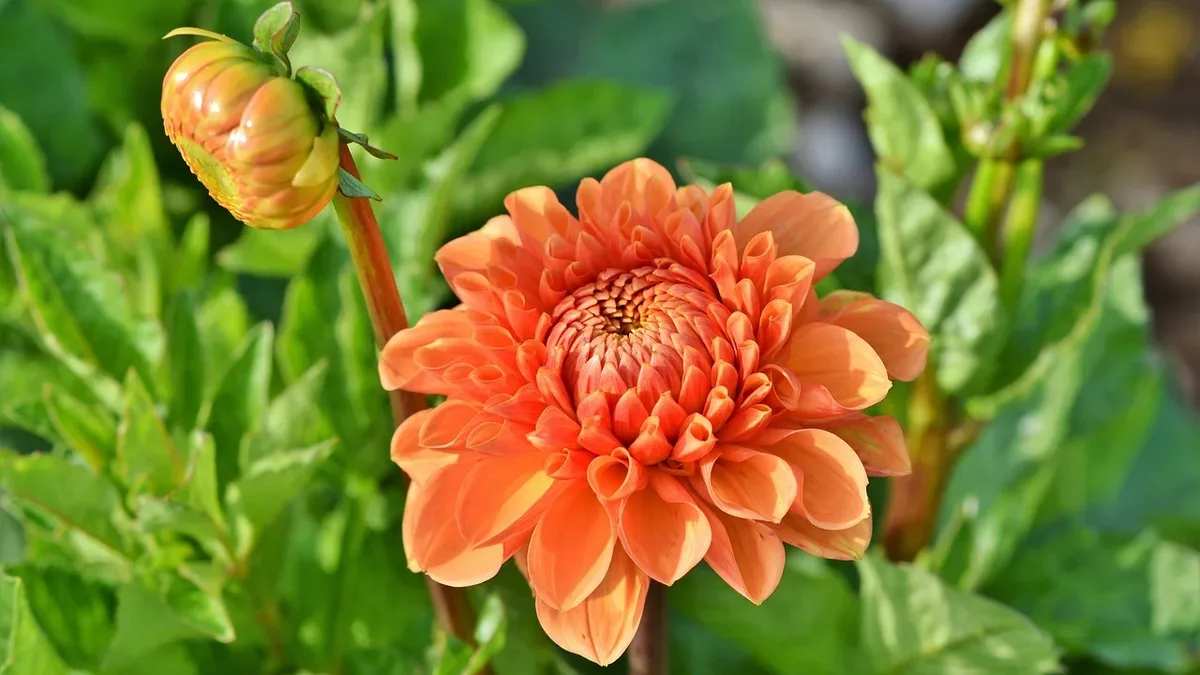
Early October marks peak flowering time for most dahlias. Proper dahlia care in October directly influences both the abundance of fall blooms and the health of tubers for winter storage. Gardeners should water deeply when the soil dries out, deadhead spent blooms, and monitor for pests like spider mites and aphids. A firm bud is ready to open, while a mushy one is spent and should be removed.
Dahlias thrive during the warm days and cool nights of this season. For most gardeners, the focus now is on cleaning up plants, preventing new green growth, supporting tall stems, and monitoring for problems. Use a rain gauge to monitor rainfall and irrigate at soil level to avoid wetting the foliage. When deadheading, cut faded flower stems back to the next branching point. Leave some flowers in place if you plan to collect seeds.
Tuber hardening and feeding adjustments
As October progresses, gardeners must gradually cut back on watering. This helps toughen the skins of the dahlia tubers. Avoid any fertilizer high in nitrogen, as it promotes leafy growth instead of the desired tuber hardening. In warmer zones where feeding might continue, use a low- or zero-nitrogen feed. Stop fertilizing completely four to six weeks before the first expected frost date.
Disease management and sanitation
Increasing rain and lower temperatures make fall a prime time for fungal diseases. Watch for powdery mildew and leaf spot. Remove any leaves showing a white, dust-like coating to reduce fungal spores. Do not compost this infected plant material. A collapsible waste bag can be useful for transporting diseased matter away from the garden. For pest management, an organic neem oil spray is an effective option.
Stem support and structural care
Tall or top-heavy dahlia stems need support to prevent splaying, which can create entry points for disease. Use bamboo canes or reusable support stakes, pushing about a quarter of their length into the ground. Tie stems securely using soft ties that will not cut into the plant material. Some gardeners fashion a cradle with canes and twine. Check and adjust all supports after heavy rain or windy weather.
Winter preparation by zone
Fall dahlia care depends entirely on your growing region and climate. The approach splits between colder zones and those that are frost-free.
In zones 7 and below, tubers must be dug up and stored over winter. Wait for the first good frost to kill the above-ground stems, which triggers the transfer of sugars and starches to the tubers for better storage. Wait one to two weeks after that frost before digging, unless soil freezing or heavy rain risks rot.
In frost-free zones 8 through 11, the process is different. Cut stems back by mid-December at the latest to ensure the plant gets a rest. In these zones with well-draining soil, tubers can often be left in the ground over winter. After a frost, wait one to two weeks, then cut stems to three or four inches and apply a five-inch layer of mulch.
Mary Ellen Ellis, a gardener with over twenty years of experience, holds degrees in Chemistry and Biology. Her specialties are flowers, native plants, and herbs. October is also a good time to seek out new varieties for next year's garden, as retailers open pre-orders for spring delivery. Adjust all plans based on variable fall temperatures and rainfall in your area. In zones 8-11 with well-draining soil, tubers can remain in ground; after frost, wait 1-2 weeks, cut stems to 3-4 inches, and apply a 5-inch mulch layer.