Overwintering Coleus Indoors With Cuttings And Care
Gardeners can preserve their colorful coleus through winter by bringing plants indoors before temperatures drop below 50°F.
Nighttime temperatures below 50°F (10°C) signal when to bring coleus inside, with timing varying by climate zone. Waiting for the first frost on grass is too late to move these tender plants safely. In chillier northern zones, the indoor migration should start now. In warmer climates, outdoor enjoyment can continue a few more weeks.
Taking and rooting cuttings
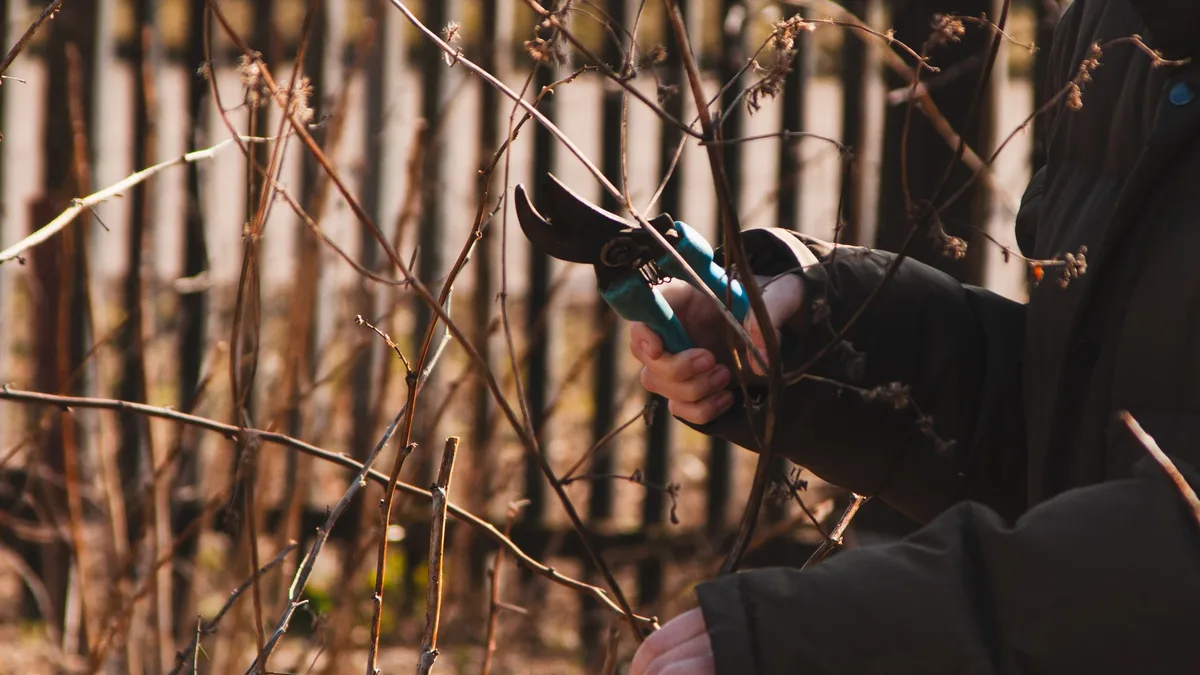
Taking cuttings provides a space-saving backup on a bright windowsill. Cuttings root quickly when taken while the plant is still vigorous in early fall. They should be 4-6 inches (10-15 cm) long, taken from healthy, non-flowering shoot tips.
Lower leaves must be stripped from the cuttings to prevent decay in water. Leave 3-4 top leaves in place. Place the cuttings in jars, glass bud vases, or propagation stations filled with room-temperature tap or rainwater. Wide rims should be avoided; narrow tops help anchor cuttings. Bare stem nodes must be fully submerged.
Coleus cuttings root easily in water and are virtually rot-proof if rules are followed. Room temperatures of 65-75°F (18-24°C) promote root emergence. Janey said: "You should see roots inside 7-10 days." Water should be changed every few days to maintain oxygen levels and prevent stem rot. Cuttings should be potted when roots reach 1 inch (2.5 cm) long.
Setting up for indoor success
Moving indoors is a good time to refresh potting soil. Use a light, gritty, fast-draining mix. Good drainage is essential; pots should not sit in waterlogged saucers. Specific products are recommended for this transition.
Leaf shape and habit influence indoor styling. Big varieties like Kong, Wasabi, Henna, or Saturn suit tall decorative ceramic planters. Trailing varieties like Chocolate Covered Cherry or Strawberry Drop suit hanging baskets, wall mounts, elevated pots, or windowsill arrangements. Upright varieties typically do not need hormone powder.
Indoor coleus care requires bright, indirect sunlight. Full-spectrum grow lights can supplement light. Keep plants away from chilly window glass and furnace blasts. Watering should allow the top inch of soil to dry between waterings.
Heavy fertilizers should be avoided in winter. A diluted organic houseplant feed or seaweed tonic can be applied monthly. Pinching back growing tips and flower spikes every few weeks encourages bushy growth. Leaf drop in winter can be caused by cold drafts, poor sunlight, or soggy soil.
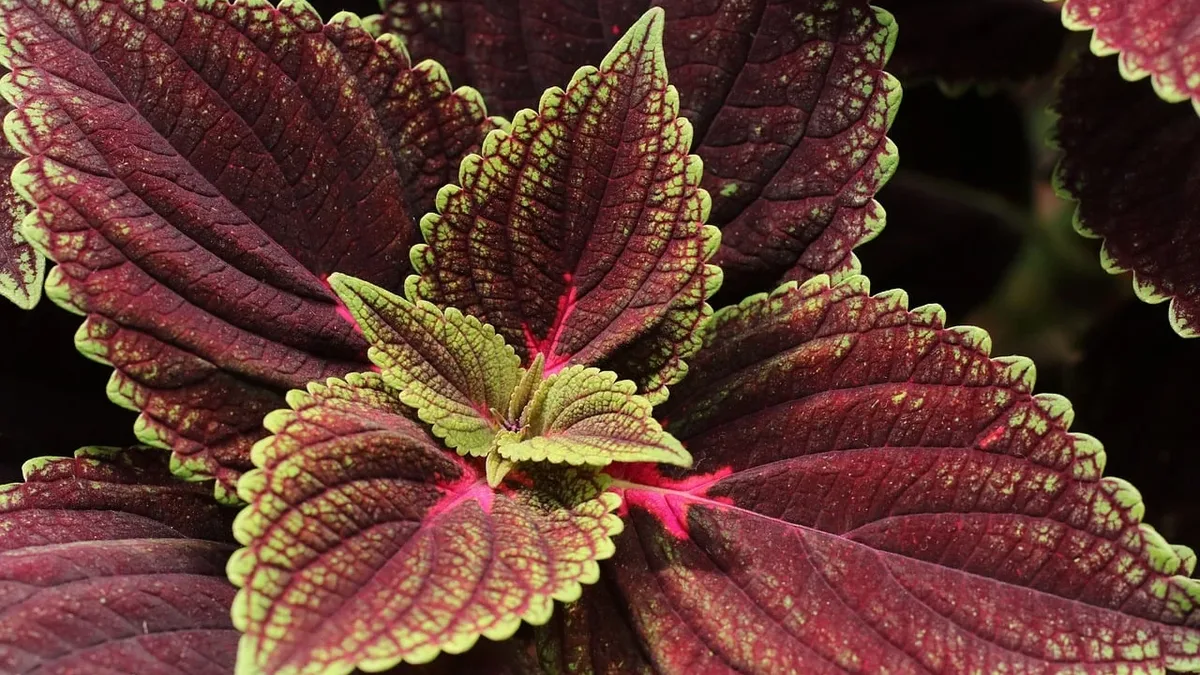
Coleus is a tropical perennial plant. It can grow to shrub size in summer with colors including chartreuse, plum, chocolate, and hot pink. With proper light and routine pinching, coleus can be grown as a year-round indoor houseplant.
Returning coleus outdoors in spring
Overwintered coleus can be moved back outside in spring after the danger of frost has passed and night temperatures reliably stay above 50°F (10°C). Hardening off for a week in a sheltered, shady outdoor spot during the day is recommended before the final move. This prevents sunburn and cold shock. Year-round success requires placement in the sunniest window or under a full-spectrum grow light and routine pinching to prevent woody growth.