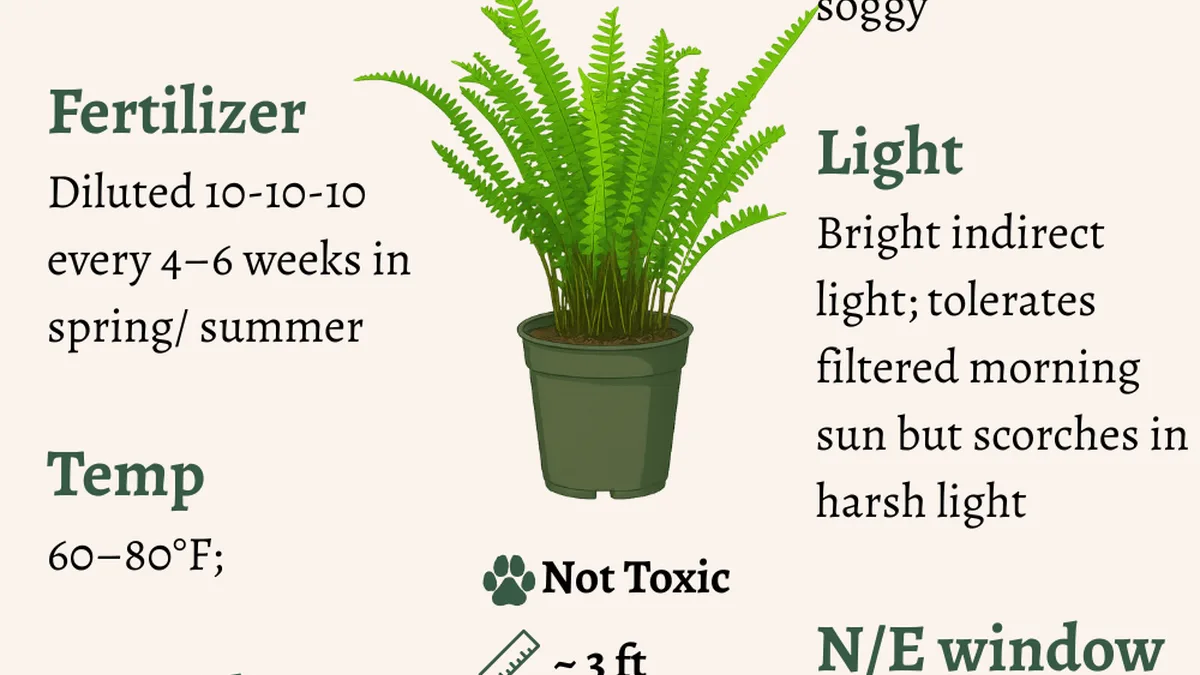
Houseplants
| Common name | Houseplants |
|---|---|
| Plant type | Perennial |
| Position | Varies by species |
| Watering | Varies by species |
| Soil | Well-draining potting mix |
| Feeding | During active growth |
| Pruning | As needed for shape and health |
| Propagation | Stem cuttings, division, or offsets |
| Toxicity | Varies by species |
Origin and history
Houseplants as a collective category do not have a single origin, as they encompass thousands of species domesticated from wild flora across the globe. The practice of keeping plants indoors for decorative and symbolic purposes dates back millennia, with evidence from ancient Egypt, China, and Rome. The modern concept of the houseplant, as a widespread domestic hobby, began to solidify in Europe during the Victorian era in the 19th century. This period saw the rise of ornate glasshouses and parlour collections, fueled by global plant exploration and the advent of mass-produced glass for windows. The 20th century, particularly the post-war decades, witnessed another major surge in popularity as suburban living and new housing designs incorporated more indoor greenery. The trend has continued to evolve, with recent decades emphasizing architectural foliage and low-maintenance varieties suited to contemporary lifestyles.
What it was bred for
Houseplants were not "bred" as a single entity but were individually selected and cultivated from wild species for specific adaptive or aesthetic traits. The primary historical driver for bringing plants indoors was often symbolic or religious, such as the use of sacred figs or lotus in temple and palace gardens. Later, the focus shifted to ornamental value, with plants chosen for their striking foliage, unique forms, or rare and beautiful flowers to display wealth and horticultural skill. A significant number of popular houseplants were selected for their notable tolerance of lower light, stable indoor temperatures, and container living compared to their outdoor ancestors. Some, like certain herbs and small citrus trees, were brought inside for practical culinary or medicinal use within living spaces. In recent times, deliberate hybridization has aimed to enhance traits like variegation, compact growth habits, or improved resistance to common indoor pests and diseases.
Life cycle
The life cycle of a houseplant varies dramatically by species, ranging from short-lived annuals to perennial specimens that can live for decades with proper care. Most common foliage houseplants are tropical perennials, entering a period of active growth during longer, brighter days and slowing or becoming dormant in lower-light winter months. This cyclical growth pattern dictates core care routines, with watering, feeding, and repotting needs peaking in spring and summer. Many flowering houseplants, such as poinsettias or holiday cacti, have specific photoperiod or temperature requirements to trigger their bloom cycle, which must be replicated indoors. Propagation typically occurs through vegetative means like stem cuttings, division, or leaf propagation, allowing a single plant to be perpetuated almost indefinitely. The end of a houseplant's life indoors is often due to cultural issues like chronic overwatering, severe pest infestation, or irreversible etiolation from insufficient light, rather than a natural senescence.
Character and appearance
The character and appearance of houseplants is immensely diverse, covering a vast spectrum of forms, textures, colors, and growth habits. Foliage plants are primarily valued for their leaves, which can be large and sculptural like a Monstera, finely textured like a fern, or vividly colored like a Coleus. Growth habits range from upright and tree-like (e.g., Ficus lyrata), to trailing and cascading (e.g., Pothos), to compact rosettes (e.g., Echeveria). Texture is a key component, with plants offering glossy, matte, fuzzy, succulent, or corrugated leaf surfaces that interact distinctively with light. While many are grown solely for foliage, flowering houseplants like African Violets or Anthuriums provide seasonal color, though their blooms are often less reliable indoors than in their native habitats. The overall character of a plant, whether it is considered bold, delicate, quirky, or serene, fundamentally shapes its use in interior design and the visual atmosphere it creates.
Pros and cons
A primary advantage of houseplants is their demonstrated ability to improve indoor air quality by absorbing certain volatile organic compounds and increasing humidity through transpiration. They also provide significant psychological benefits, including stress reduction, enhanced mood, and a tangible connection to nature, particularly in urban environments. The hobby can be deeply rewarding, offering a sense of accomplishment and an engaging, living element to home decor. The major con is that successful cultivation requires consistent, informed care; neglect or improper watering is the most common cause of failure, leading to disappointment and waste. Specific plants can be toxic to pets or children, requiring careful research and placement, while others may trigger allergies through pollen or mold from damp soil. Pest infestations, such as spider mites or fungus gnats, are a frequent and frustrating challenge that can spread rapidly to other plants if not managed promptly.
Who it suits
Houseplants suit individuals who enjoy routine and observation, as consistent care and noticing subtle changes in a plant are key to success. They are ideal for those seeking a low-cost, long-term hobby that focuses on nurturing rather than consumption, and who have patience for slow growth. People with well-lit living spaces, particularly those with east, south, or west-facing windows, have the widest selection of plants to choose from. The hobby also suits renters or those with limited outdoor space who still wish to garden and cultivate living things. Conversely, those who travel frequently for extended periods, dislike routine chores, or live in very dark dwellings may find most houseplants a poor fit. Individuals prone to allergies or with curious pets must be highly selective, opting for non-toxic, low-pollen varieties and committing to diligent soil moisture management to prevent mold.
Latest Houseplants news
Latest reporting
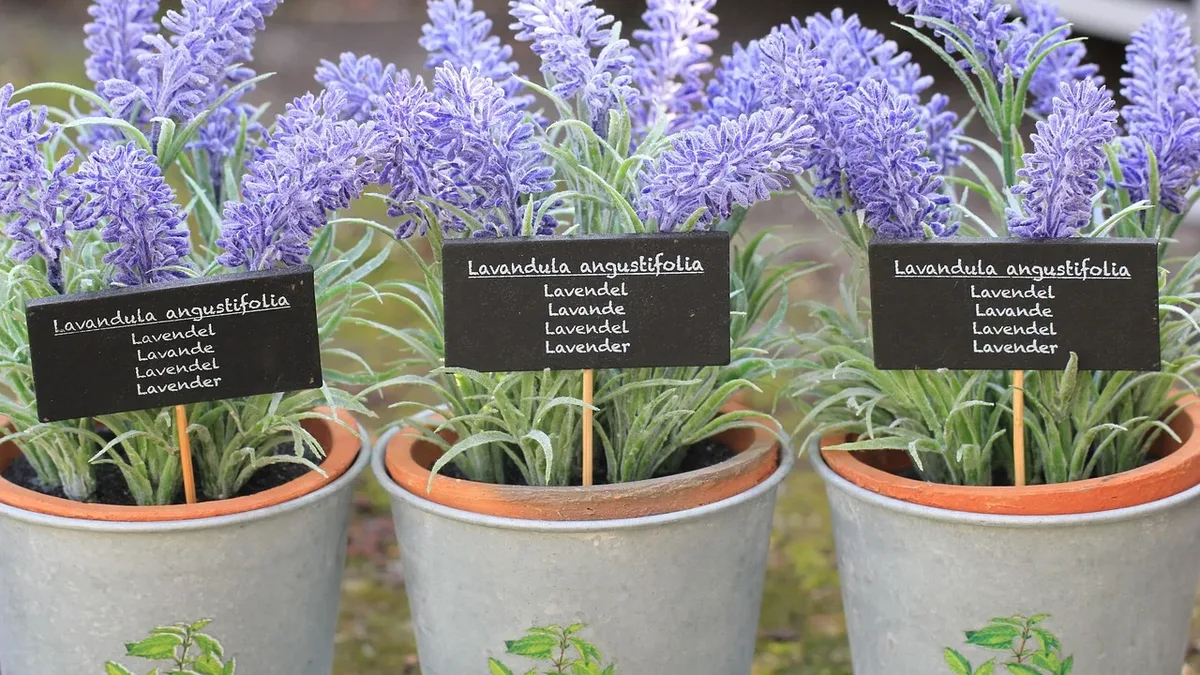
Three Houseplants That Thrive on Neglect
Gardening Know How recommends three resilient houseplants-snake plants, ZZ plants, and spider plants-that tolerate irregular care and low light...
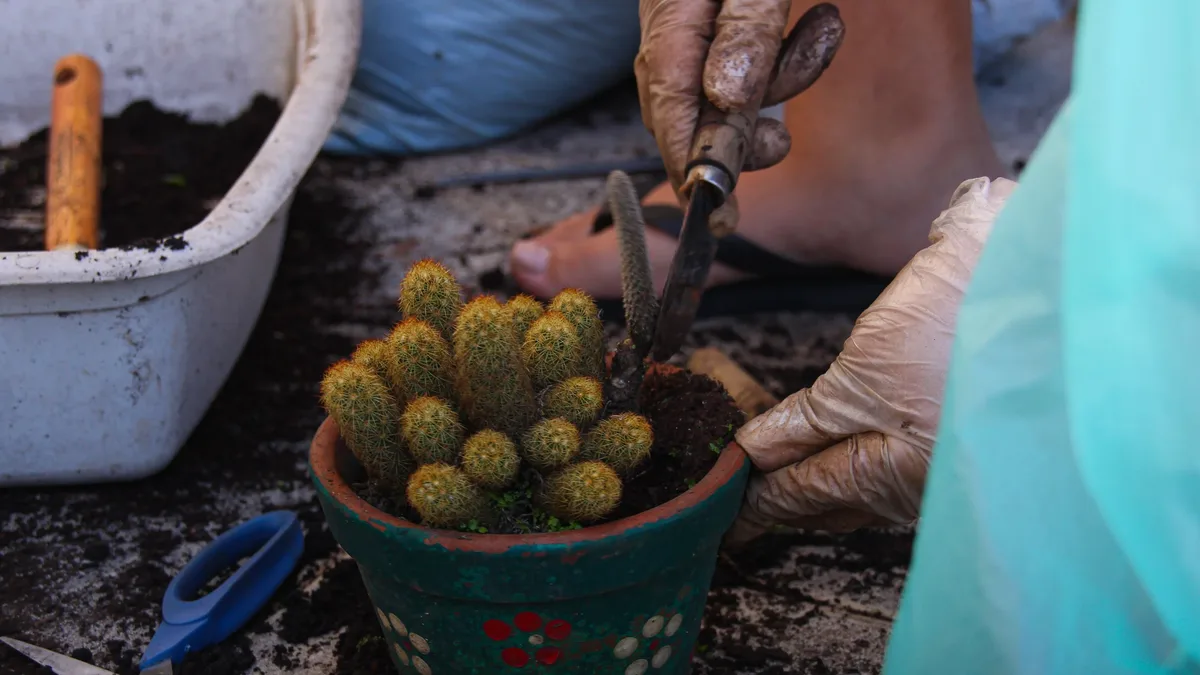
Vaseline Stops Houseplant Pests This Fall
Gardening Know How recommends using petroleum jelly as a barrier to stop pests when moving houseplants indoors for fall.
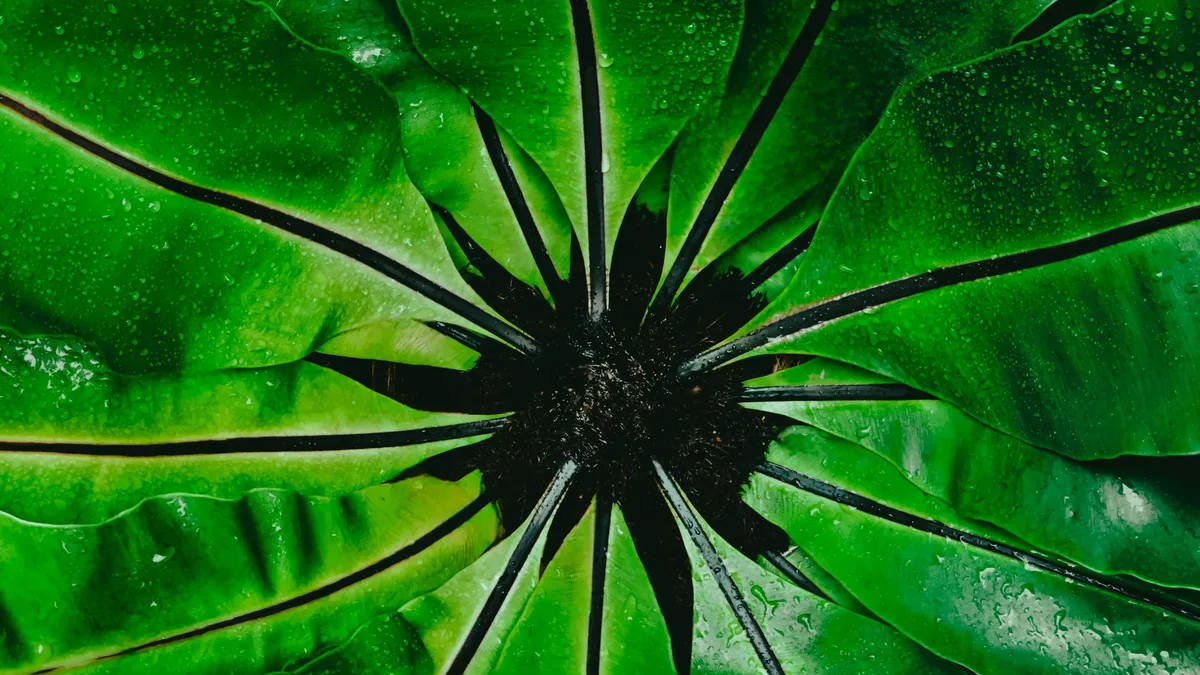
Move These 7 Houseplants Inside in September
Gardening Know How advises moving seven specific tropical houseplants indoors in September to protect them from cold shock and pests.
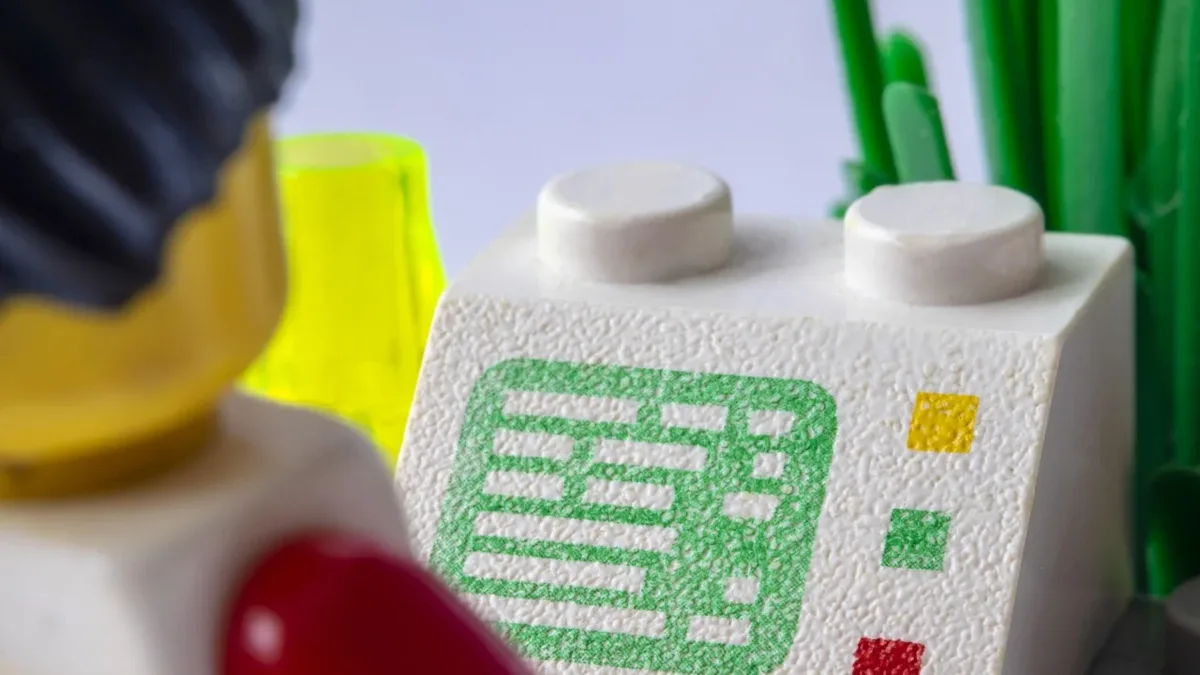
LEGO vs Real Plants: Which Better?
A gardening writer compares LEGO's Botanical Collection to real houseplants in seven categories. The final verdict slightly favors real plants.

8 Low-Maintenance Houseplants
Discover the best houseplants to thrive in late summer, providing lush greenery and low-maintenance care
Houseplant hacks: the case for quarantining new plants
Quarantining new houseplants for a few weeks before introducing them to your collection can prevent pests from spreading. This simple practice...