Fall houseplant care prevents allergy flare-ups
Closed windows and furnace use in autumn concentrate indoor allergens from common houseplants like weeping fig and peace lily, requiring adjusted watering and cleaning routines to manage symptoms.
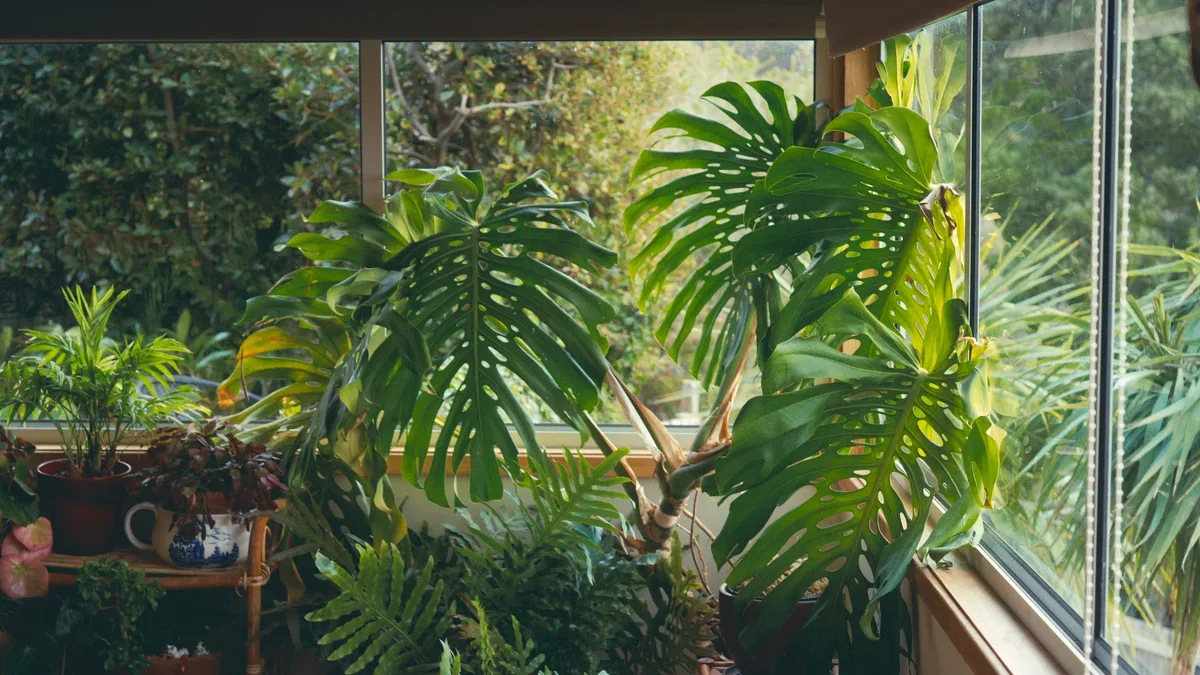
Closing windows and running furnaces stir up dust and allergens from houseplants just as their growth slows and overwatering risks rise. Furnace use in autumn circulates dust, dust-mite particles, and settled debris from vents into the indoor air. Closed windows reduce outdoor air dilution, worsening the concentration of these irritants. Houseplants grow more slowly indoors in fall due to shorter days, yet are often overwatered on summer schedules. By late September, windows are closed and plants are brought back inside, potentially triggering unnoticed allergies. Houseplant allergies are uncommon overall but can be troublesome for sensitive people.
Key houseplants that trigger allergies and how to handle them
Weeping fig, peace lily, English ivy, yucca, and potted mums can cause allergic reactions through sap, pollen, skin contact, or airborne particles. Weeping fig has milky sap that can become airborne dust and cross-react with natural rubber latex. Peace lily produces pollen from the pale, powdery spike inside its white hood. English ivy contains falcarinol, a compound that can irritate skin or trigger an allergic rash, especially after pruning or handling runners.
Yucca can cause skin sensitization and hives in handlers. Its long, stiff leaves also trap dust along their length. Potted mums release allergens like sesquiterpene lactones from flowers and leaf hairs, which can become airborne and cause rashes on fingertips. Reactions to mums often start on the fingertips of those pinching buds.
Practical steps to reduce allergens from houseplants
Wiping leaves, rinsing plants, drying soil, using HEPA filters, and wearing gloves help control dust, mold, and direct irritants. Dust on leaves and soggy potting mix are primary causes of fall allergy flare-ups. Wiping broad leaves with a damp cloth helps reduce dust accumulation; dry dusters can spread spider mites and insect eggs. Smaller plants can be rinsed under a sink faucet in the morning so leaves dry by evening.
Letting the top of the potting mix dry between waterings and emptying saucers helps prevent mold growth. A white, cottony film on soil indicates overwatering; this layer should be scraped off outdoors and replaced with fresh potting soil. Wet potting mix that never dries out can develop surface mold, contributing to allergy issues. Mold such as Aspergillus fumigatus can be present in bagged potting mixes but is rarely airborne unless soil or plants are disturbed.
A Levoit Core 300 HEPA air purifier can remove fine dust and pollen from bedroom air but does not clean dust off leaves. Allergists recommend keeping indoor humidity low to deter dust mites and mold, which thrive in damp air. Amazon sells Supmedic disposable latex-free gloves in various sizes for handling allergenic plants like weeping fig. People with latex allergy should wear latex-free gloves when pruning weeping fig.
When to seek help and adjust plant placement
Persistent symptoms warrant allergy testing, and moving problematic plants can ease exposure. If allergy symptoms persist into October, an allergist can test for specific houseplant sensitivities. A weeping fig testing positive for allergy can be relocated to a friend’s sunroom as a management option. Sensitive individuals should wear gloves when handling mums, wash hands afterward, and keep plants away from the face and main living areas. Recommended action includes snipping spent blooms early and keeping flowering pots out of the bedroom.
Low-allergy houseplant options for sensitive growers
Choosing foliage plants with smooth leaves, minimal flowering, and low water needs reduces allergy risks. Low-trigger houseplants for allergy-prone individuals include foliage plants with smooth leaves, little to no indoor flowering, and low watering needs. Tyler said: "Tyler’s passion began with indoor gardening and deepened as he studied plant-fungi interactions in controlled settings."
Wipe broad leaves with a damp cloth to reduce dust accumulation and prevent allergen spread.