Apple Trees
| Country of origin | Central Asia |
|---|---|
| First documented | 4th millennium BCE |
| Original use | Fruit production |
| Typical mature height | 4–12 meters |
| Time to first fruit | 2–5 years |
| Pollination | Most require cross-pollination |
| Hardiness zones | 3–8 (varies by cultivar) |
| Pruning season | Late winter to early spring |
Origin and history
Apple trees, belonging to the genus *Malus*, originated in the mountainous regions of Central Asia, specifically in modern-day Kazakhstan. Their wild ancestor, *Malus sieversii*, has grown in this region for millennia. The cultivation of apples began over four thousand years ago, with evidence of grafting and selective breeding by the ancient Romans and Greeks. These cultivated apples spread across Europe along trade routes, including the Silk Road, during classical antiquity. By the 17th century, European colonists had introduced apple seeds and saplings to North America. The extensive diversification into thousands of cultivars occurred primarily over the last few centuries through both deliberate breeding and chance seedling discovery.
What it was bred for
Historically, apples were primarily bred and selected for reliable fruit production and storage capability, essential for year-round sustenance. Early selection favored varieties that could be stored in cool cellars for months without spoiling. Over centuries, breeding objectives diversified to enhance specific flavors, ranging from intensely tart to sugary sweet, to suit regional culinary preferences. Cultivars were also developed for specific uses, such as crisp eating apples, tart cooking apples that hold their shape, and varieties optimized for cider pressing. In more modern breeding programs, disease resistance has become a major goal to reduce reliance on chemical sprays. Breeding also focuses on improving cosmetic appearance, like uniform red skin, and extending the harvest season through early, mid, and late-ripening varieties.
Life cycle
An apple tree begins its life as a seed, though commercially grown trees are almost always grafted onto a rootstock to control size and disease resistance. The juvenile phase from seed can last 5-10 years before fruiting, while grafted trees typically bear fruit within 2-5 years. The tree enters a mature fruiting phase that can last for several decades, with peak production often occurring between 10 and 30 years of age. Flower buds form in the summer for the following spring's bloom, which is dependent on cross-pollination from a different apple cultivar. After pollination and fruit set, the fruits develop through the summer, with harvest times varying from late July to late October depending on the cultivar. A healthy, well-maintained standard apple tree can remain productive for over 50 years, with some specimens living for more than a century.
Character and appearance
A mature apple tree's form varies widely, from standard trees reaching 30 feet tall to dwarf varieties under 10 feet, largely dictated by its rootstock. The bark is typically gray and scaly, becoming more fissured with age. Leaves are simple, oval with serrated edges, and are generally a dark green color, often with a slightly paler underside. In spring, the tree produces clusters of five-petaled blossoms, which are usually white with a pink tinge. The fruit itself is a pome, with its characteristic shape, skin color, and flesh texture being highly specific to the cultivar. The overall silhouette of a mature, unpruned tree is often broadly rounded or spreading, creating a substantial presence in the landscape.
Pros and cons
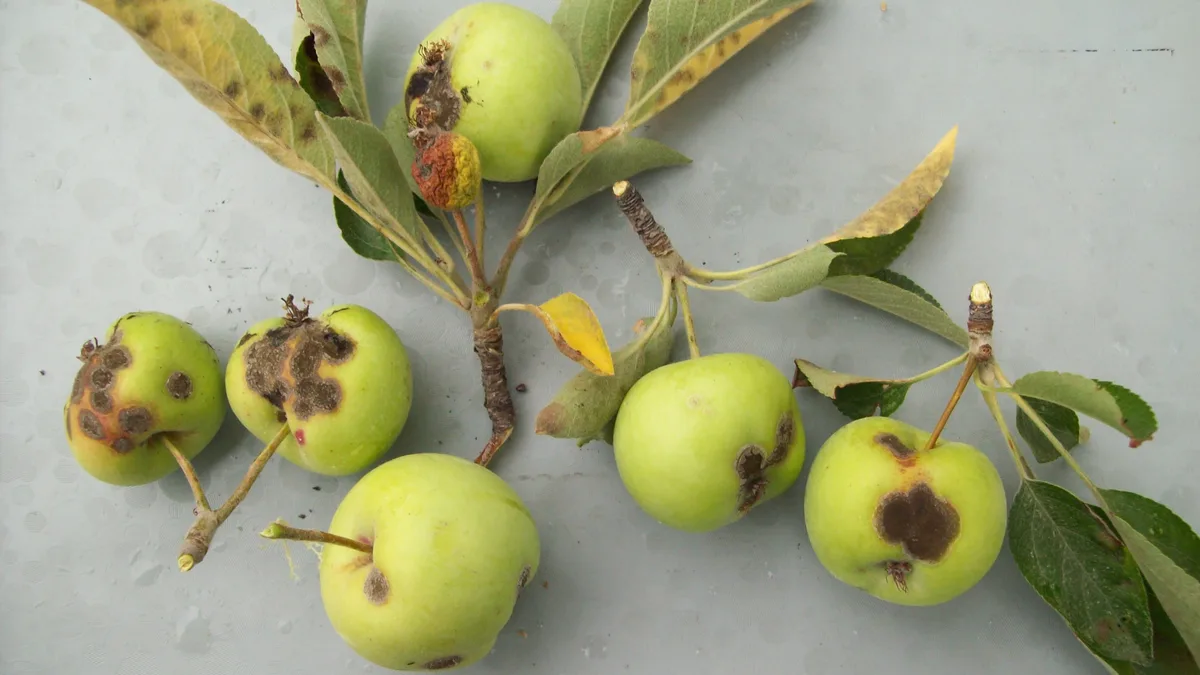
A significant pro is the production of a reliable, edible crop from a single tree for many decades with proper care. Apple trees also provide substantial seasonal beauty with spring blossoms and autumn fruit, and can serve as a habitat for wildlife. However, a major con is their high maintenance requirement; they are susceptible to numerous pests and diseases like apple scab, codling moth, and fire blight, often necessitating a consistent spray regimen. Many homeowners regret planting apple trees after realizing the commitment required to produce unblemished fruit, or after planting a cultivar unsuited to their local climate. A common mistake is planting only one tree, which leads to poor fruit set due to lack of cross-pollination. Furthermore, standard-sized trees can become overwhelmingly large for small gardens, and the annual fruit drop creates a messy cleanup.
Who it suits
Apple trees suit gardeners or homeowners who have a dedicated space in full sun and are committed to a long-term, seasonal management plan. They are ideal for those interested in home fruit production who have the time for annual pruning, pest monitoring, and harvesting. Dwarf or columnar cultivars suit gardeners with limited space, such as those with small urban yards or who wish to grow trees in containers. They are also well-suited for educational settings like school gardens, where the life cycle can be observed. Traditional orchardists with adequate land can manage standard trees for larger yields and cider production. They are not suited for those seeking a low-maintenance, hands-off landscape tree or for gardeners unwilling to address the inevitable pest and disease issues.
Latest Apple Trees news
Latest reporting
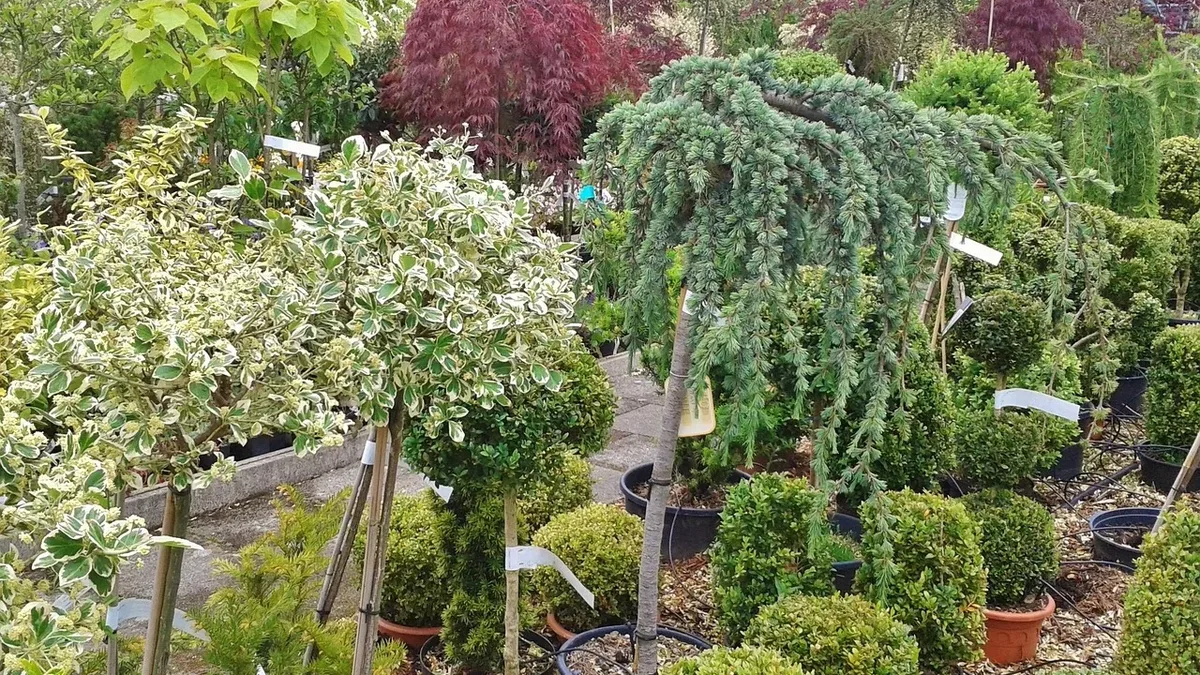
Five Trees Perfect for Container Planting in September
Gardening Know How recommends five tree species suitable for container planting in early autumn.
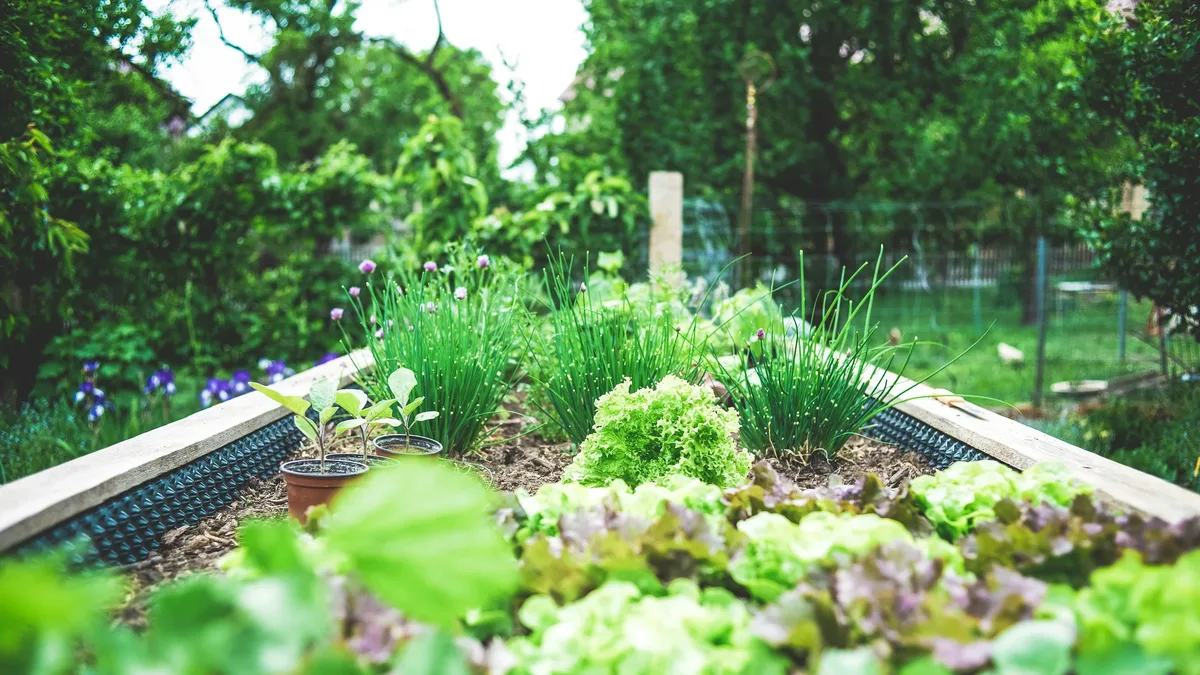
37 Fast-Growing Plants for Garden Privacy
Gardeners' World recommends 37 trees, shrubs, and climbers to quickly create privacy screens, blocking views from neighbours and unsightly areas.
Kevin Bacon's Drought-Tolerant Privacy
Actor Kevin Bacon's Los Angeles garden uses a layered scheme of drought-tolerant plants like California pepper trees and agaves for privacy, offering...
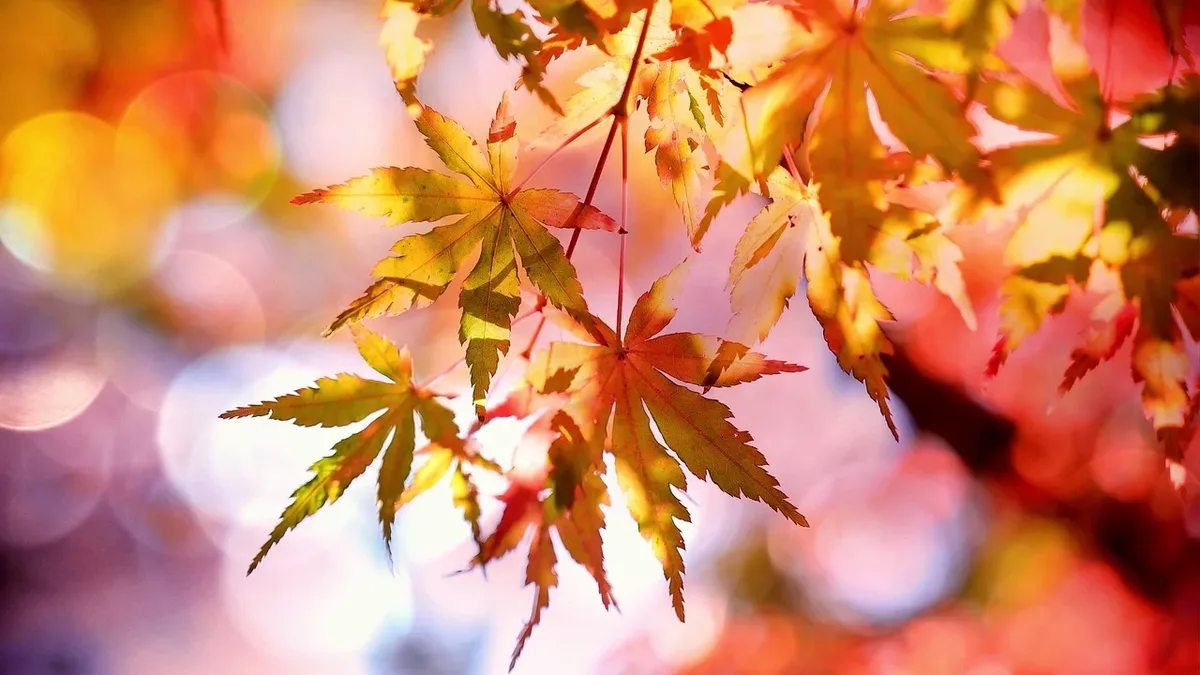
Japanese Maple Care in August for Fall Color
Gardening expert Kayleigh outlines three key August tasks, consistent watering, avoiding fertilizer, and stress protection, to help Japanese maple...
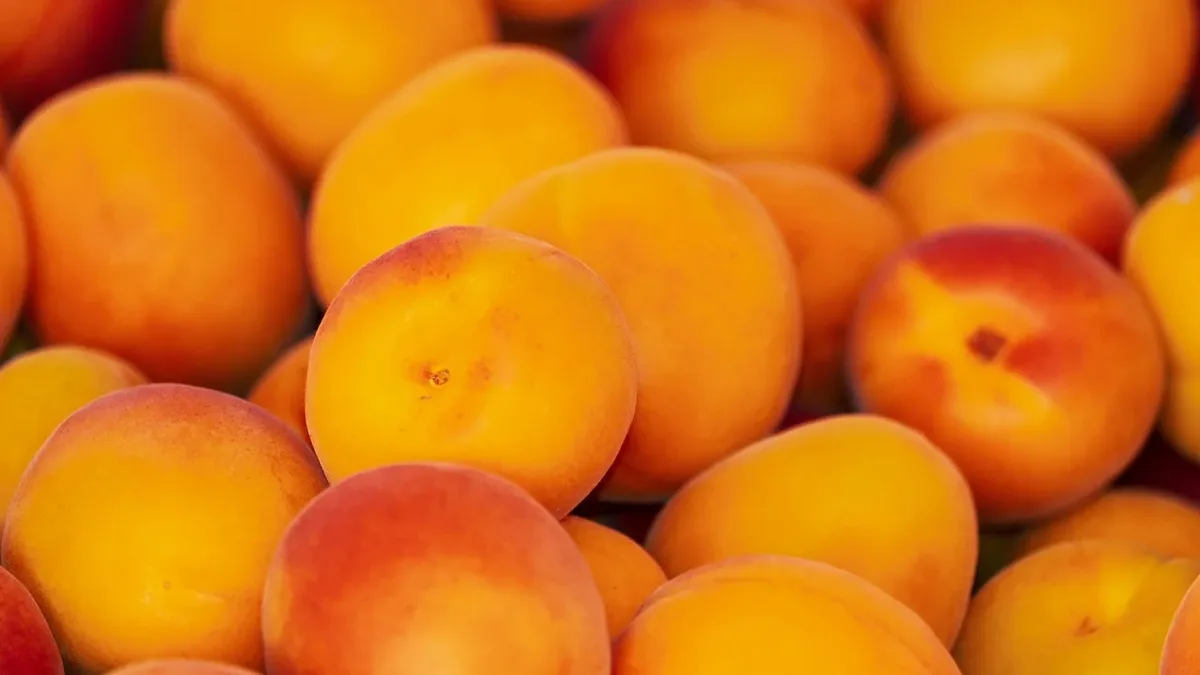
Self-Pollinating Fruit Trees for Fall
A guide to five self-pollinating fruit trees ideal for fall planting, including peaches, nectarines, sour cherries, figs, and Jonagold apples.