New Garden Climate Tool Aids Drought-Resilient Planting
A new online tool will help UK gardeners select plants for future climate conditions, while expert advice guides the successful nurturing of seedlings from windowsill to garden.
Two distinct developments are shaping the gardening world this month. A major new digital tool is being developed to help gardeners adapt their plant choices to a changing climate, while detailed seasonal guidance is available for those nurturing young seedlings towards successful planting out.
Garden Climate Assessment Tool
A coalition of leading UK horticultural organisations is developing a free online risk-assessment tool called the Garden Climate Assessment Tool (GCAT). The tool, created by the Future National Gardens Group, will evaluate how well a specific plant could tolerate the projected future climate of a user's chosen location. Professional gardeners were invited to trial the tool on Monday, though a public release date remains uncertain, according to the RHS's director of science, Alistair Griffiths.
The tool will allow gardeners to input a list of plants, and it will analyse factors including annual average temperature, natural distribution, winter cold, and climate dryness. It is based on an existing model launched in Australia in 2022, which focused solely on trees, but the UK version has been expanded to cover a wider range of plants. The system currently contains data on up to 80,650 plant types from 289 UK gardens and is intended to be continually updated. Professor Sam Brockington, a curator at Cambridge University Botanic Garden, stated that the tool would identify plants in the UK that are struggling, enabling gardeners to gradually remove them from their collections.
Garden designer Laura Carey highlighted the tool's potential value, noting the current challenge of selecting trees that can cope with changing weather patterns. She expressed wariness about planting species like silver birch unless in a reliably moist environment, having seen them suffer during recent hot summers. Clive Boase of the charity Climate Change Gardening said the tool could support gardeners, particularly in the dry east of England, in moving away from thirsty classic English garden features like verdant lawns, hydrangeas, and delphiniums. He acknowledged that shifting away from this cultural aesthetic could be a wrench for many, and they need support to make those changes.
Some gardeners have noted potential limitations. Kim Shrosbree of the Epsom Garden Society pointed out that soil type is not currently a variable in the tool, which is key as plants suitable for a general area may not thrive on specific soils like chalk. Juliet Sargeant, a garden designer, emphasized the growing need for such tailored, location-specific advice, stating that generic guidance is no longer sufficient as conditions become more variable.
Nurturing Young Seedlings
As seedlings emerge on windowsills and in greenhouses, careful attention is required to ensure they develop into robust plants ready for the garden. The process involves daily checks for light, water, and temperature, followed by systematic potting and a gradual hardening-off period.
Seedlings under cover need plenty of light but should be shaded from intense sun with newspaper on hot days to prevent scorching. Watering should be done daily in sunny weather but less often during cool spells; a finger test in the compost or lifting the tray to check its weight can prevent overwatering. Once seedlings develop their second pair of true leaves, they must be pricked out into individual pots. An old kitchen fork is ideal for easing out clumps, and seedlings should always be handled by their leaves, not their stems, to avoid fatal damage. They should be planted with the lowest leaves just above the soil level, which encourages a sturdier plant.
| Pot Size | Suitable For |
|---|---|
| 7-8cm diameter | Most seedlings |
| 10-12cm diameter | Larger plants like courgettes or sunflowers |
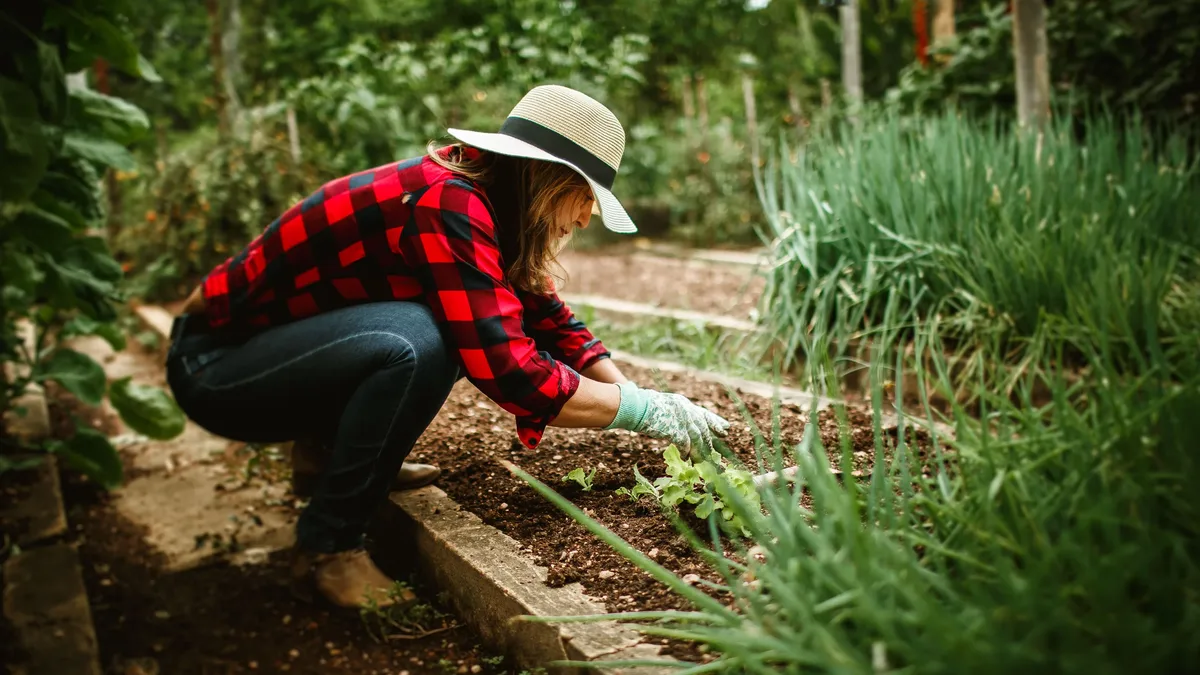
After pricking out, keep the compost consistently damp and begin a weekly feed with a general-purpose liquid fertilizer. While seedlings are small, dilute the feed to half strength; as they grow, increase to the normal concentration. Seedlings grow quickly and will need potting on into gradually larger containers when roots appear at the drainage holes. Once a plant fills a 10-15cm container and outdoor temperatures are suitable, it is ready for the final, critical step: hardening off. This process of acclimatization takes up to two weeks and involves moving plants to a cold frame or a sheltered outdoor spot for increasing periods each day, allowing them to toughen up before permanent planting outside.