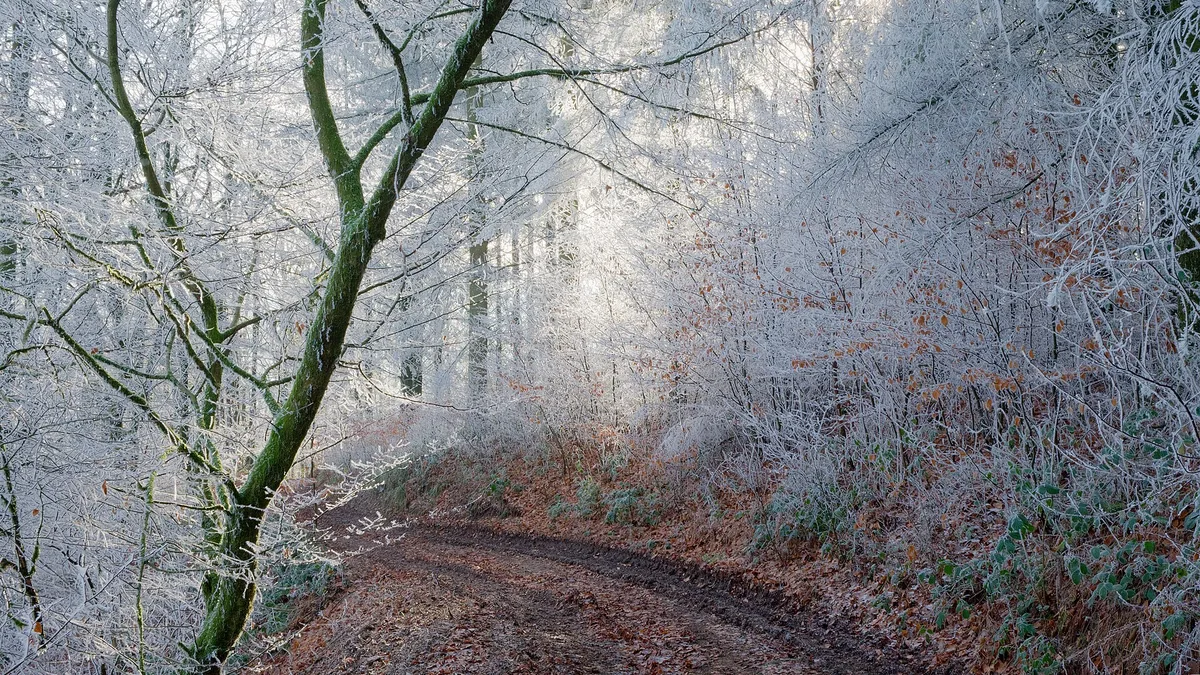
Trees
| Common name | Trees |
|---|---|
| Type | Perennial woody plant |
| Primary structure | Trunk and branches |
| Size range | Dwarf to very tall |
| Lifespan | Several years to several millennia |
| Primary function | Photosynthesis via leaves |
| Reproduction | Typically via seeds (e.g., nuts, cones) |
Origin and history
Trees are a broad category of perennial woody plants, not a single cultivated variety, and therefore do not have a singular origin point or creation date. The earliest tree-like plants, such as Archaeopteris, evolved in the Devonian period approximately 385 million years ago. The evolution of trees was a pivotal event in Earth's history, contributing to the formation of complex terrestrial ecosystems. Modern tree lineages, including conifers and flowering plants, diversified over hundreds of millions of years across all continents except Antarctica. The relationship between humans and trees dates back to our earliest ancestors, who relied on them for shelter, food, and tools. Documented cultivation and selective breeding of specific tree species for fruit, timber, or ornament began with the advent of agriculture thousands of years ago.
What it was bred for
As a collective life form, trees as a whole were not "bred" for a purpose; they evolved through natural selection. However, humans have selectively bred countless individual tree species for specific traits over millennia. Fruit and nut trees, such as apples, olives, and almonds, were bred for improved yield, taste, and harvestability. Timber trees, like pine, oak, and teak, were selected for growth rate, wood density, and stem straightness. Ornamental trees, including Japanese maple and flowering cherry, were cultivated for aesthetic characteristics like leaf color, flower display, and form. Some trees were bred for environmental purposes, such as fast-growing poplars for biomass or salt-tolerant species for coastal stabilization. The breeding objectives are entirely dependent on the species and human need.
Life cycle
The life cycle of a tree typically begins with seed germination, which requires specific conditions of moisture, temperature, and sometimes stratification. Following germination, the seedling establishes a root system and a primary stem, entering a juvenile phase that can last from several years to decades, depending on the species. The tree then reaches maturity, characterized by the ability to produce flowers and seeds, which can occur annually or in cycles. Mature trees undergo secondary growth, widening their trunks and branches through the production of wood by the vascular cambium. This mature phase can persist for decades, centuries, or even millennia, as seen in species like bristlecone pines. Senescence, a prolonged period of declining vigor and increased susceptibility to stress, eventually leads to death and decay, which returns nutrients to the ecosystem.
Character and appearance
Trees are defined by a primary woody stem or trunk that supports a crown of branches and leaves. Their appearance is immensely varied, encompassing forms from the columnar shape of a Lombardy poplar to the broad, spreading canopy of an oak. Bark texture and color provide key identification features, ranging from the smooth, grey bark of a beech to the deeply fissured, brown bark of a pine. Leaf morphology is equally diverse, including needle-like leaves in conifers, simple broad leaves in maples, and compound leaves in ashes and walnuts. The overall size at maturity spans from dwarf ornamental trees a few meters tall to giants like coast redwoods exceeding 100 meters. Seasonal changes, such as deciduous leaf drop, evergreen persistence, or flowering displays, further define their character throughout the year.
Pros and cons
A primary advantage of planting trees is their long-term ecological benefit, including carbon sequestration, air filtration, and habitat provision. They can significantly enhance property value and provide practical benefits like shade, which reduces cooling costs, and windbreaks. However, a major con is their substantial long-term commitment; a tree planted in the wrong location can cause severe damage to foundations, sewer lines, and paved surfaces as its roots expand. Many people regret choosing fast-growing species, like some willows or poplars, which are often brittle, short-lived, and prone to storm damage or invasive root systems. A common mistake is failing to account for the mature size of a tree, leading to costly removal or severe pruning later when it interferes with structures or power lines. Certain species may also be susceptible to region-specific pests or diseases, requiring unexpected maintenance or treatment.
Who it suits
Trees suit individuals or institutions prepared for a long-term investment and who have adequate space for the specimen's mature dimensions. They are suited to property owners seeking to improve energy efficiency, privacy, or wildlife value over a timeframe of decades. Municipalities and landscape architects select trees for public spaces based on hardiness, pollution tolerance, and low-maintenance requirements. Orchardists and farmers suit specific fruit or nut tree cultivars, committing to the necessary pruning, pest management, and harvesting schedules. Conversely, trees are generally unsuitable for those seeking instant impact, as most take years to establish a significant presence, or for those with very small gardens where root and canopy competition would be problematic. They also require a commitment to basic care, including initial watering and occasional inspection for health and safety.
Latest Trees news
Latest reporting
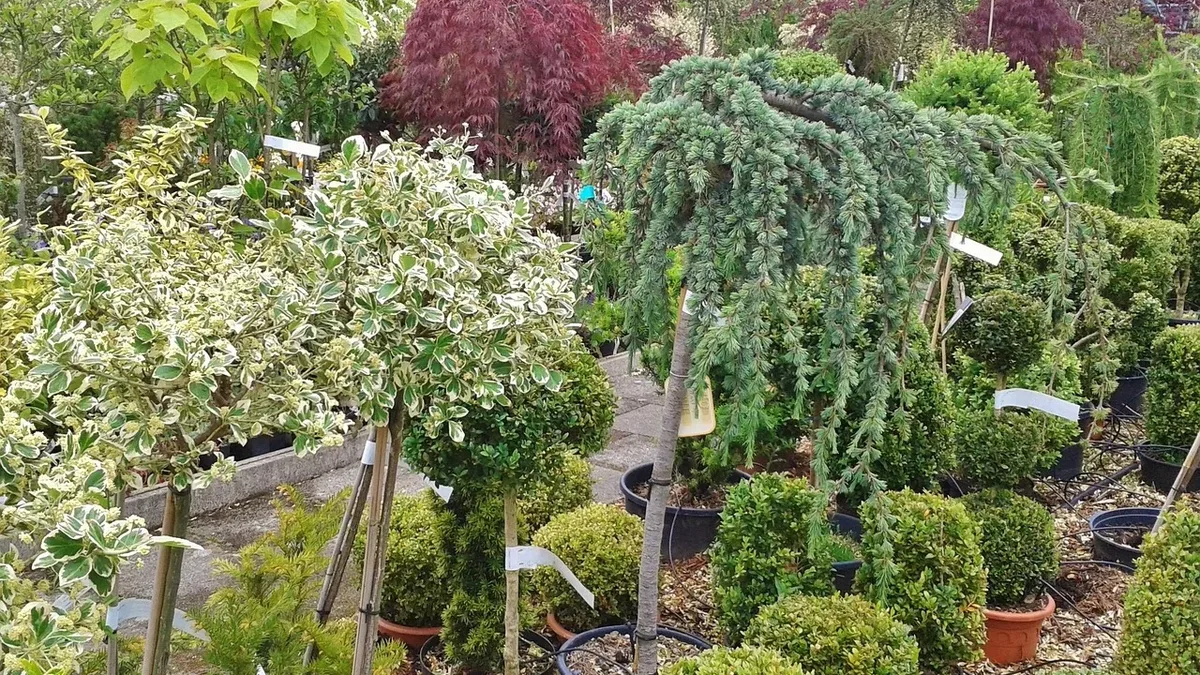
Five Trees Perfect for Container Planting in September
Gardening Know How recommends five tree species suitable for container planting in early autumn.
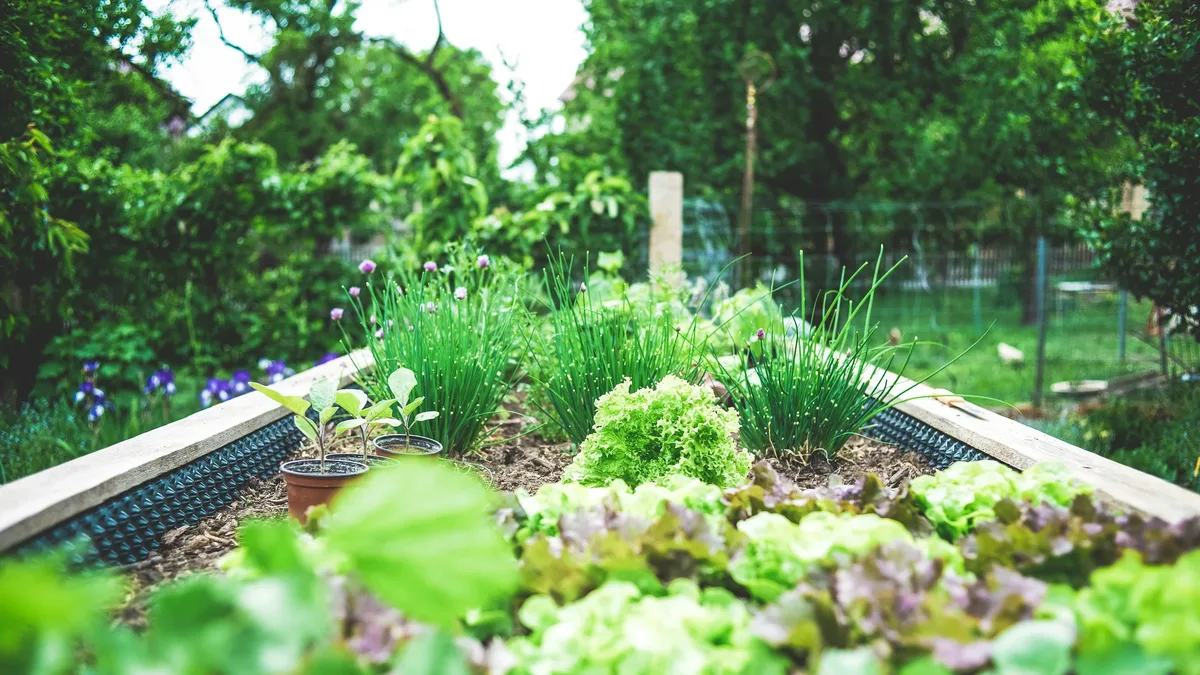
37 Fast-Growing Plants for Garden Privacy
Gardeners' World recommends 37 trees, shrubs, and climbers to quickly create privacy screens, blocking views from neighbours and unsightly areas.
Kevin Bacon's Drought-Tolerant Privacy
Actor Kevin Bacon's Los Angeles garden uses a layered scheme of drought-tolerant plants like California pepper trees and agaves for privacy, offering...
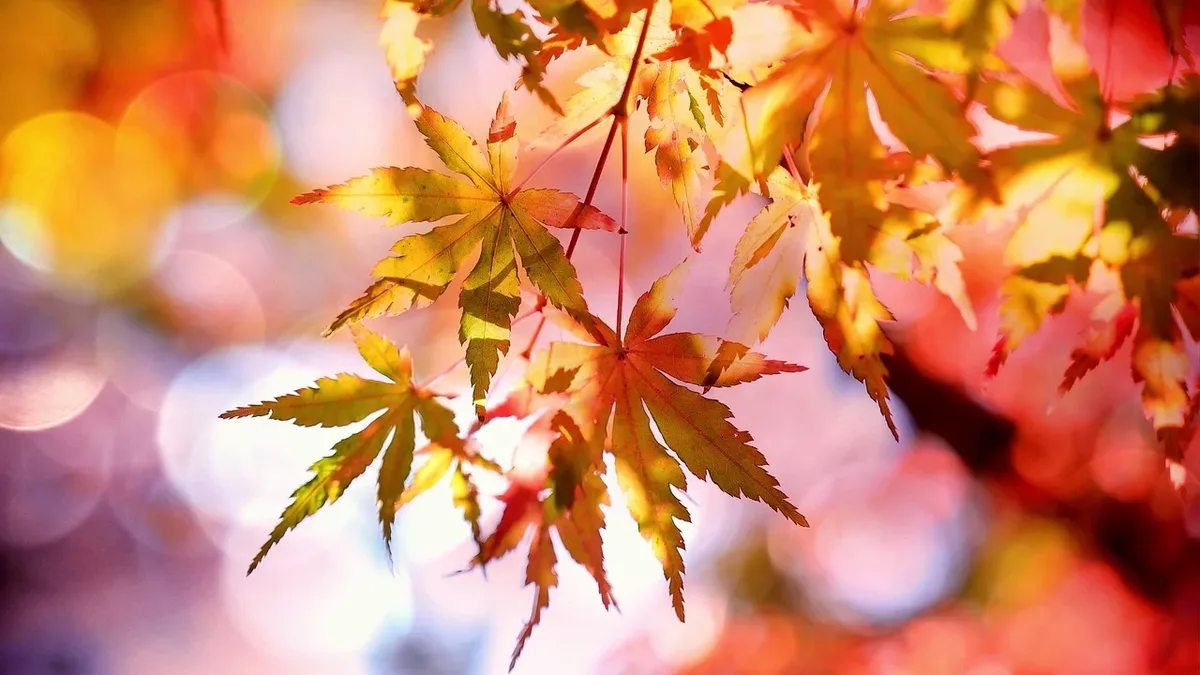
Japanese Maple Care in August for Fall Color
Gardening expert Kayleigh outlines three key August tasks, consistent watering, avoiding fertilizer, and stress protection, to help Japanese maple...
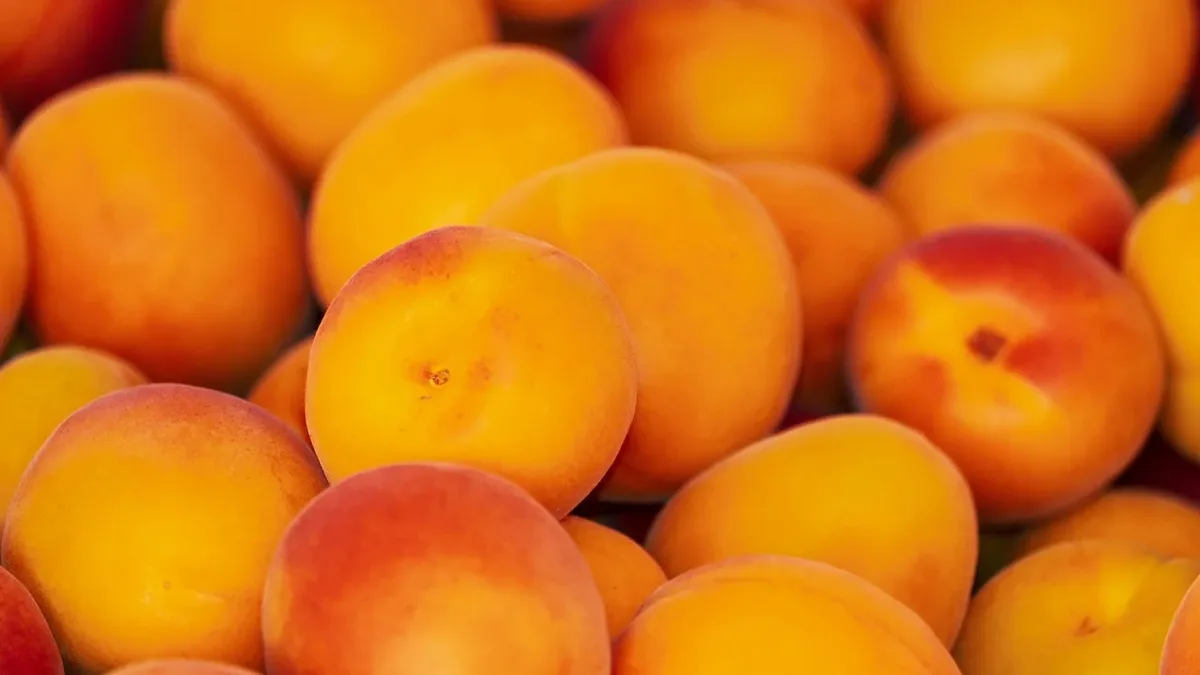
Self-Pollinating Fruit Trees for Fall
A guide to five self-pollinating fruit trees ideal for fall planting, including peaches, nectarines, sour cherries, figs, and Jonagold apples.