Pruning Calendar
Origin and history
The concept of a pruning calendar is a foundational element of temperate horticultural practice, with its origins deeply rooted in the agricultural traditions of Europe and Asia. These systematic guides evolved from generations of observational knowledge passed down by farmers, orchardists, and gardeners. The formalization of this knowledge into printed monthly calendars gained prominence in Western gardening literature during the 19th century, alongside the rise of hobbyist gardening. This period saw the publication of numerous almanacs and gardening manuals that codified seasonal tasks. The calendar synthesizes principles of plant physiology, such as dormancy and flowering habit, with climatic patterns specific to a region. Its development was not the work of a single individual but a collective refinement of practice aimed at maximizing plant health and yield.
What it is for
A pruning calendar serves as a systematic timetable for performing pruning tasks on specific types of plants during their optimal seasonal windows. Its primary function is to guide gardeners on when to cut back woody plants to maintain health, control size, shape growth, and encourage flowering or fruiting. The calendar prevents the common error of pruning at the wrong time, which can lead to poor flowering, winter damage, or disease susceptibility. It organizes plants into logical groups, such as summer-flowering shrubs, spring-flowering shrubs, fruit trees, and deciduous trees, assigning each a recommended pruning period. By following the schedule, gardeners align their actions with the plant's natural growth cycle, promoting rapid wound closure and reducing stress. This tool is essential for planning garden maintenance throughout the year, ensuring tasks are completed efficiently and effectively.
Pros and cons
The principal advantage of a pruning calendar is its clarity and preventative guidance, helping both novice and experienced gardeners avoid seasonally detrimental cuts that can weaken or disfigure plants. It provides a structured plan that demystifies a complex topic, turning an intimidating task into a manageable, scheduled activity. A significant con is that a generic calendar cannot account for microclimates, unusual weather events, or the specific condition of an individual plant, leading gardeners to follow it too rigidly. The most common mistake is applying a calendar designed for one hardiness zone or region to a garden in a vastly different climate, resulting in poorly timed pruning. Gardeners who regret using one often find they damaged prized spring bloomers by cutting them in late winter before flower buds could develop. Furthermore, calendars typically focus on common ornamental and fruit species, offering little guidance for unusual specimens or native plants with different requirements.
Who it suits
This tool is ideally suited for home gardeners new to pruning who require a clear, foundational framework to build their knowledge and confidence. It also benefits meticulous planners and those with large, mixed gardens containing many standard shrubs and trees, as it helps them organize their seasonal workload efficiently. Recreational gardeners who prefer straightforward, rule-based guidance over deep botanical study will find a pruning calendar an invaluable reference. It is less suitable for professional horticulturists or arborists, who must make nuanced decisions based on plant health, site conditions, and client goals beyond a simple schedule. Gardeners in regions with very stable, predictable climates will get more consistent results than those in areas with high weather variability. Ultimately, it suits those who view it as a strong starting point to be adapted with local experience, not an immutable law.
Latest Pruning Calendar news
Latest reporting

Fall pruning mistakes with lilacs, forsythia, and azaleas
Pruning certain shrubs in autumn removes next year's flower buds and stimulates tender growth vulnerable to winter damage, harming spring blooms and...
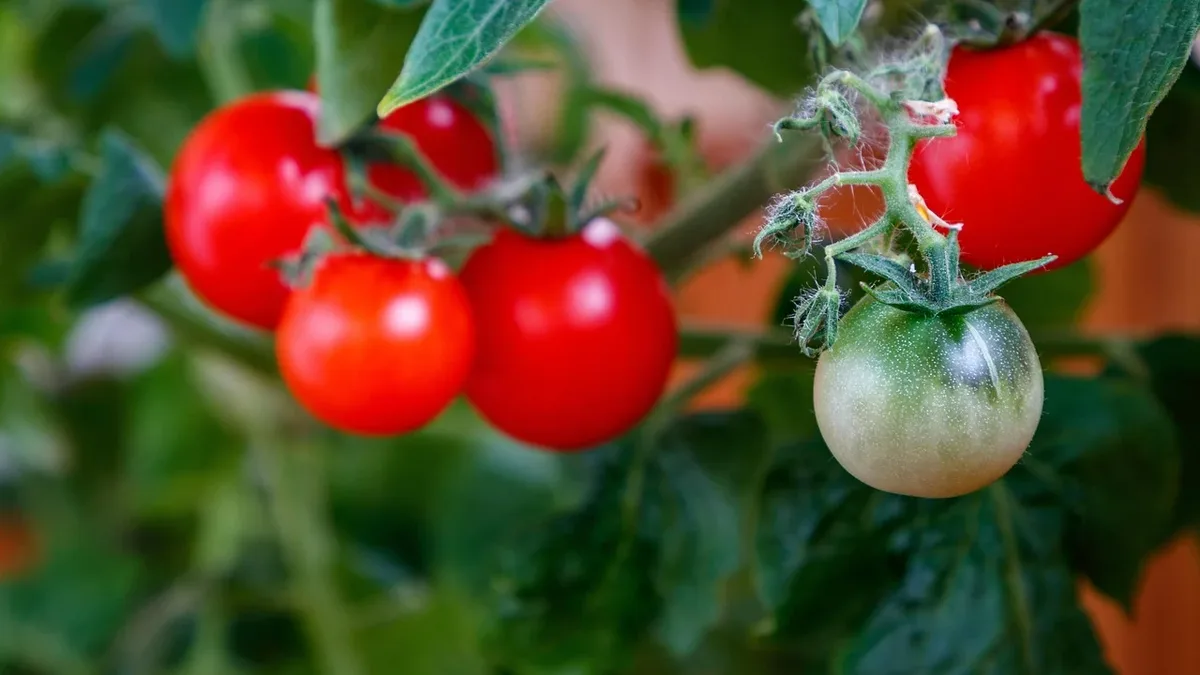
How to Ripen Green Tomatoes Fast in Fall
A simple fall technique using pruning and reduced watering can force green tomatoes to ripen quickly before frost damages the crop.

September Fuchsia Care for Final Blooms and Winter Prep
Gardening Know How outlines six essential tasks for fuchsia care in September, focusing on adjusting water and feed, light pruning, pest checks, and

September Stagger Pruning Trick Revives Fall Borders
A gardening expert recommends the 'September stagger,' a selective pruning technique for fall perennials to extend blooms and prevent flopping.
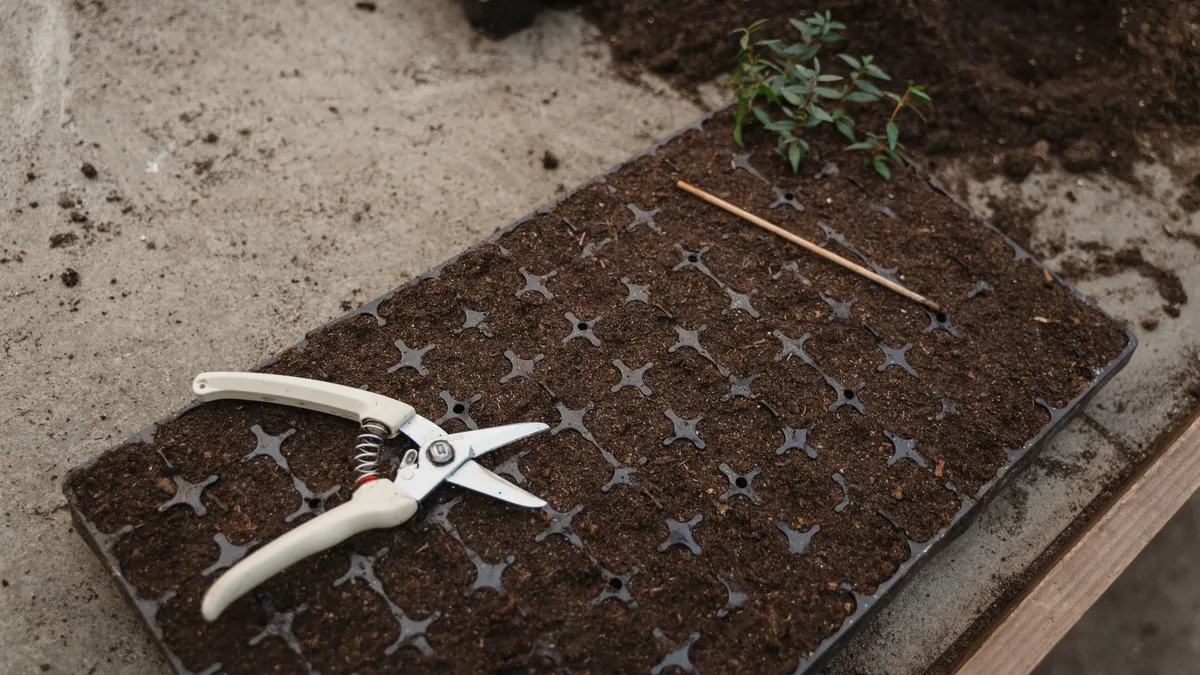
Five Perennials to Leave Unpruned for Multi-Season Garden
Gardening expert Teo Spengler advises against fall pruning for five specific perennials, arguing that leaving them standing through winter provides
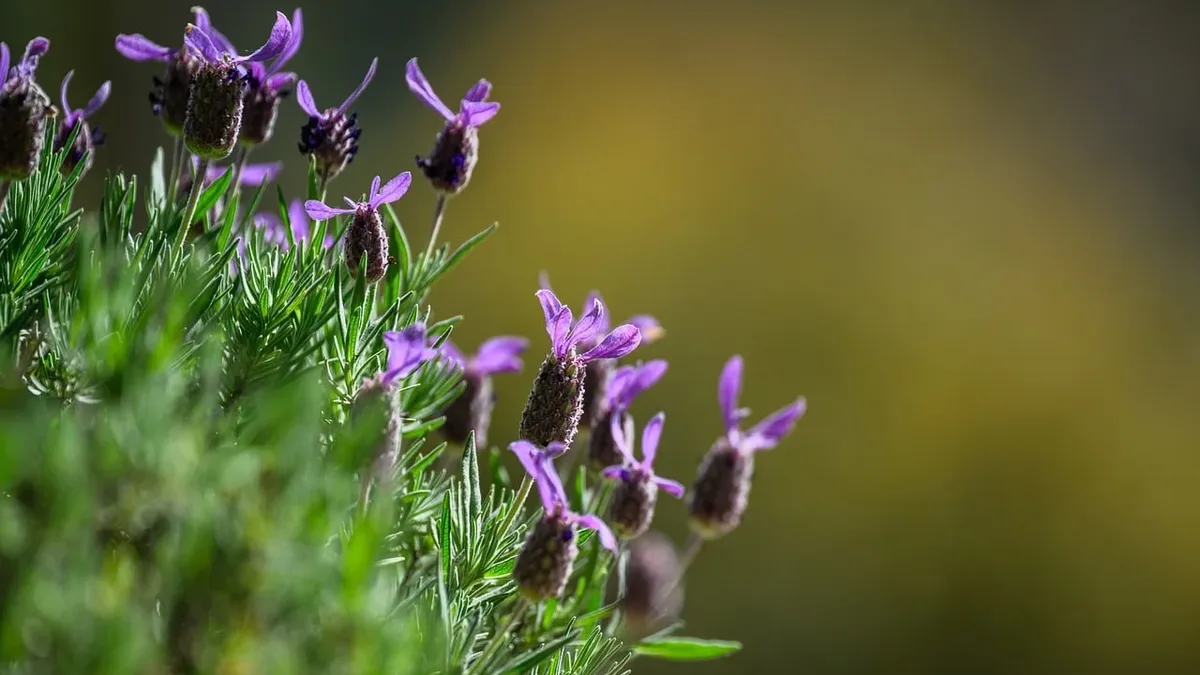
Lavender Care Tasks for September
Five simple September tasks for lavender plants, including light pruning and drainage checks, to ensure healthy growth and fragrant blooms next...