September Stagger Pruning Trick Revives Fall Borders
A gardening expert recommends the 'September stagger,' a selective pruning technique for fall perennials to extend blooms and prevent flopping.
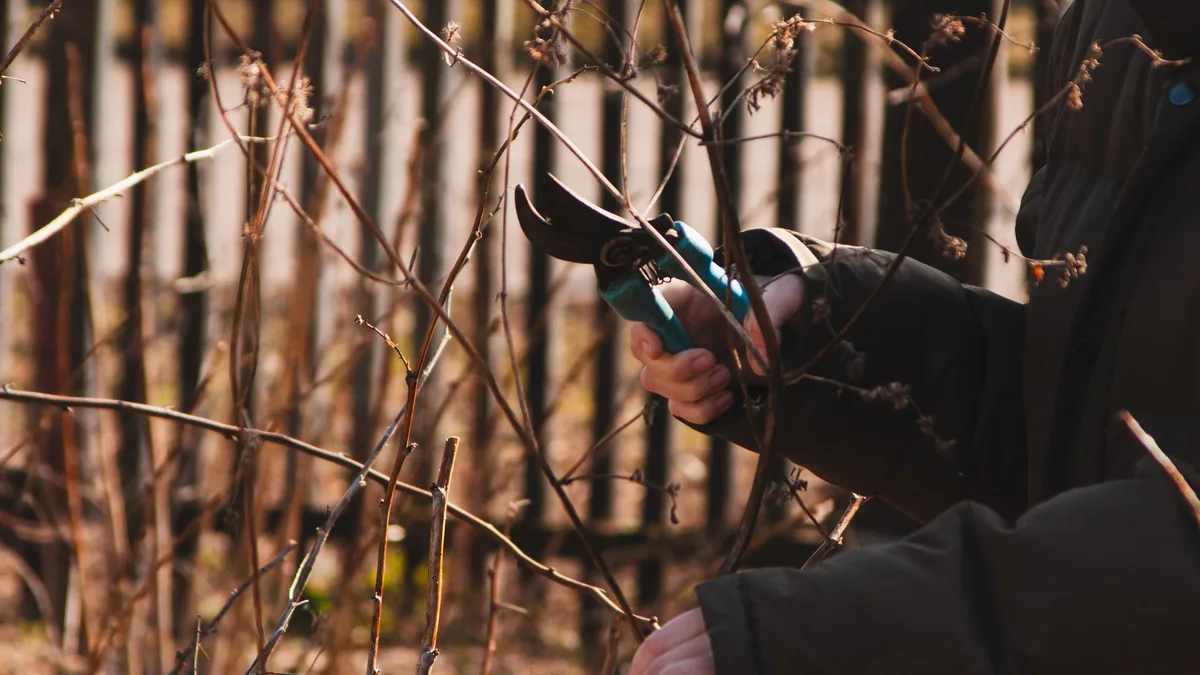
The 'September stagger' is a targeted late-season pruning method designed to rejuvenate autumn garden borders. This technique selectively trims top-heavy perennials to relieve weight, improve air circulation, and encourage a final flush of flowers.
How This Cut Helps Fall Borders
This approach is a health check for late-season plants. Thinning choked stems allows low fall sunlight to penetrate plant bases and prevents stagnant moisture that invites fungal disease. The report advises cleaning pruning blades with isopropyl alcohol or diluted neem between cuts to prevent spreading mildew or thrips.
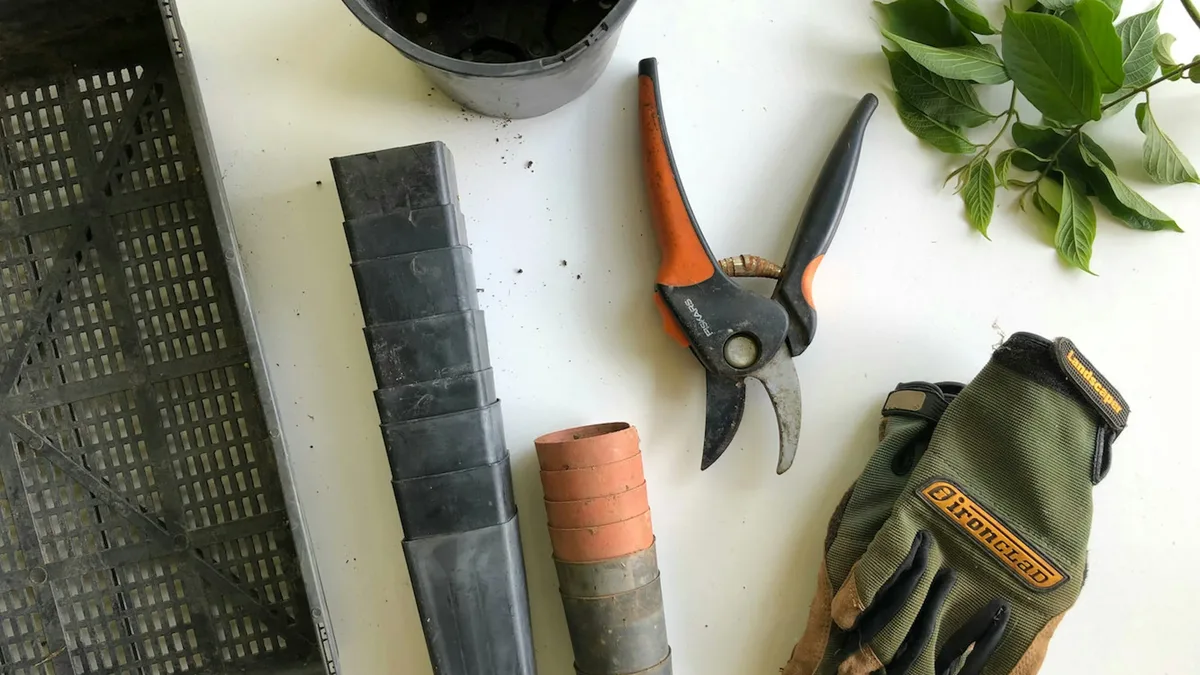
Before starting, ensure you have the right tools. The source recommends bypass pruners for thicker stems and precise snips for delicate work. It specifically mentions the Corona Dual Link Bypass Pruners with Comfort Gel Grips and Fiskars Titanium Micro-Tip Blade Pruning Shears.
Target Vulnerable and Top-Heavy Plants
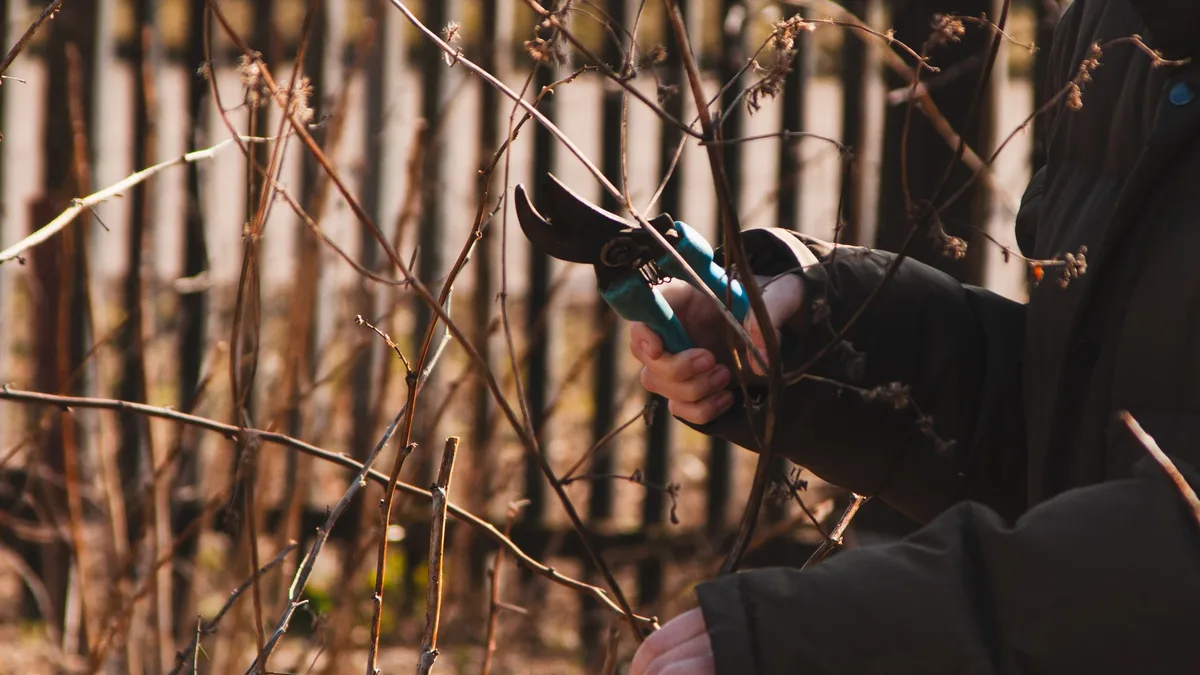
Gardeners should first look for plants with heavy blooms on tall, flexible stems. The report identifies dahlia hybrids, New England asters, sneezeweed (helenium), and Japanese anemones as common culprits for flopping. Walk the border and use bypass pruners to cut back only stems that are already leaning into paths or smothering neighbors.
Resist cutting stems that are merely tall but still upright. For problematic stems, cut them back by half to two-thirds, making the incision a quarter-inch above an outward-facing leaf node. Leave sturdy central stems untouched to continue flowering. This targeted reduction lifts the border's visual weight while preserving the main display.
Vary Cutting Heights Across Clumps
The heart of the staggering strategy is to avoid a uniform cut. Instead, create a tiered look by trimming stems within a clump to different heights. Work from the front of a clump toward the back. Trim front-facing stems back by one-third to one-half. Trim middle stems back by a quarter. Leave the strongest rear stems at full height, only deadheading the tips.
Make angled cuts just above a leaf joint. This prompts lateral buds to break dormancy, producing secondary flowering side-shoots in a couple of weeks. The report states this method looks more natural and triggers denser growth and more flowers. After pruning, applying a gentle nutrient tonic like Bloom City Organic Liquid Seaweed & Kelp Fertilizer can encourage future blooms.
Thin Dense Interior Stems
Fall borders also become untidy when plant centers grow dense and crowded. This poor airflow can lead to trapped moisture, disease, and sickly foliage. Dense clumps are prime breeding grounds for powdery mildew and botrytis.
Thinning is a important step. For plants like bee balm (monarda) and asters, reach into the center of the clump and snip off about 20% of the stems at the base. Focus on stems rubbing together, growing inward, or showing early yellowing. This instantly tidies the plant and improves air circulation. The source suggests applying a preventative biological spray, such as Arber Organic Bio-Fungicide Concentrate, to protect newly thinned foliage.
Selective Deadheading
A selective approach to deadheading maximizes late-season flowers while preserving food for pollinators. The report advises deadheading heavy feeders like dahlias and mums aggressively, cutting spent blooms down to the nearest branch junction to redirect energy into new buds.
For native prairie perennials like purple coneflowers and black-eyed Susans, deadhead with care. Remove fading, damaged, or weak outer stems, but leave strong, upright central seed heads intact. As temperatures drop, these dried seed heads become vital food reserves for birds.