
September
| Country of origin | Roman calendar (predecessor) |
|---|---|
| First created | 8th century BC (reform under King Numa Pompilius) |
| Original use | The seventh month in the original Roman calendar |
| Number of days | 30 |
| Northern Hemisphere season | Autumn (astronomical autumn begins ~September 22-23) |
| Southern Hemisphere season | Spring (astronomical spring begins ~September 22-23) |
| Key astronomical event | Autumnal equinox (Northern) / Vernal equinox (Southern) |
| Notable birthstone | Sapphire |
| Notable flower | Aster or morning glory |
Origin and history
September originates from the Roman calendar, where it was the seventh month, as reflected in its name derived from the Latin "septem," meaning seven. The historical calendar began in March, making September the seventh month in that sequence. Its position shifted to become the ninth month following the Julian reform of the Roman calendar in the mid-1st century BCE, which established January as the start of the year. The Anglo-Saxons referred to this period as "Gerstmonath," or barley month, marking the time of the barley harvest. The length of the month was settled at 30 days during the Julian calendar reforms, a duration that persisted into the modern Gregorian calendar adopted in the 16th century. Its historical significance is tied to agricultural cycles and the administrative restructuring of the Roman year, rather than to a single founding event.
What it is for
September serves as a pivotal transitional month in the temperate Northern Hemisphere, marking the end of the meteorological summer and the beginning of autumn. Its primary function is to encompass the period of the autumnal equinox, when day and night are approximately equal in length, signaling a shift in solar orientation. For horticulture, it is a critical month for planting spring-flowering bulbs, such as daffodils and tulips, and for sowing certain hardy annuals to establish before winter. In agriculture, it is traditionally the major harvest month for many grain crops, late fruits, and vegetables like apples and squash. The month also structures the annual cycle of education in many countries, serving as the standard commencement point for the academic year. Furthermore, it provides a window for essential garden maintenance, including lawn care, division of perennials, and the gradual reduction of watering as temperatures cool.
Pros and cons
A significant advantage of September is its typically mild and stable weather, which offers ideal conditions for outdoor planting and soil preparation without the extreme heat of summer. The reliable occurrence of the equinox provides a predictable astronomical marker for planning agricultural and horticultural activities. A common con, however, is the potential for early, unexpected frosts in colder regions, which can damage late-season crops and tender plants if gardeners are not vigilant. Many individuals regret not planting spring bulbs during this month, as delayed planting often results in poor root establishment and diminished spring displays. The month can also bring problematic surges of pests, such as rodents seeking shelter and food, which may invade gardens and homes. Furthermore, the transition can be challenging for plant health, as warm, dry days followed by cool, damp nights create a favorable environment for fungal diseases like powdery mildew.
Who it suits
September suits gardeners and farmers who are proactive about autumn planting and harvesting, as it rewards timely action with strong results in the following season. It is well-suited for those in temperate climates who wish to extend the growing season by planting cool-weather vegetables like kale and spinach. The month benefits educational institutions and students by providing a conventional and climatically appropriate start to the school year after the summer break. It is also ideal for horticulturalists focusing on lawn renovation, as soil warmth promotes seed germination while cooler air temperatures aid grass growth. Individuals who enjoy managing garden transitions and performing preventative maintenance, such as cleaning up plant debris to deter pests, will find the month's tasks aligning with their goals. Conversely, it is less suited for those in consistently tropical or arid climates, where the seasonal cues of September are negligible and its traditional gardening calendar does not apply.
Latest September news
Latest reporting
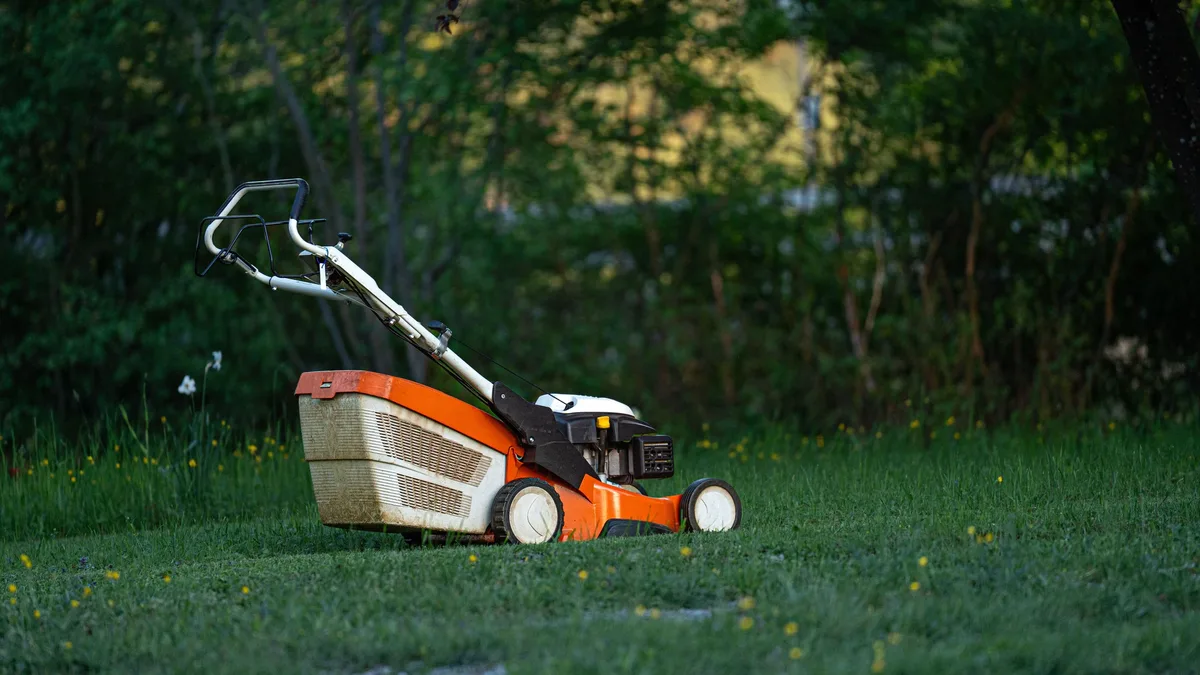
September Lawn Check for Chafer Grub Damage
Gardeners must check lawns for chafer grub infestations this September. The pests have surged after a hot, dry summer and can cause permanent damage...

Hellebore Fall Care Tips for Winter Blooms
As hellebores begin active root growth in September, timely fall care including light tidying, feeding, and managing volunteers is essential for...
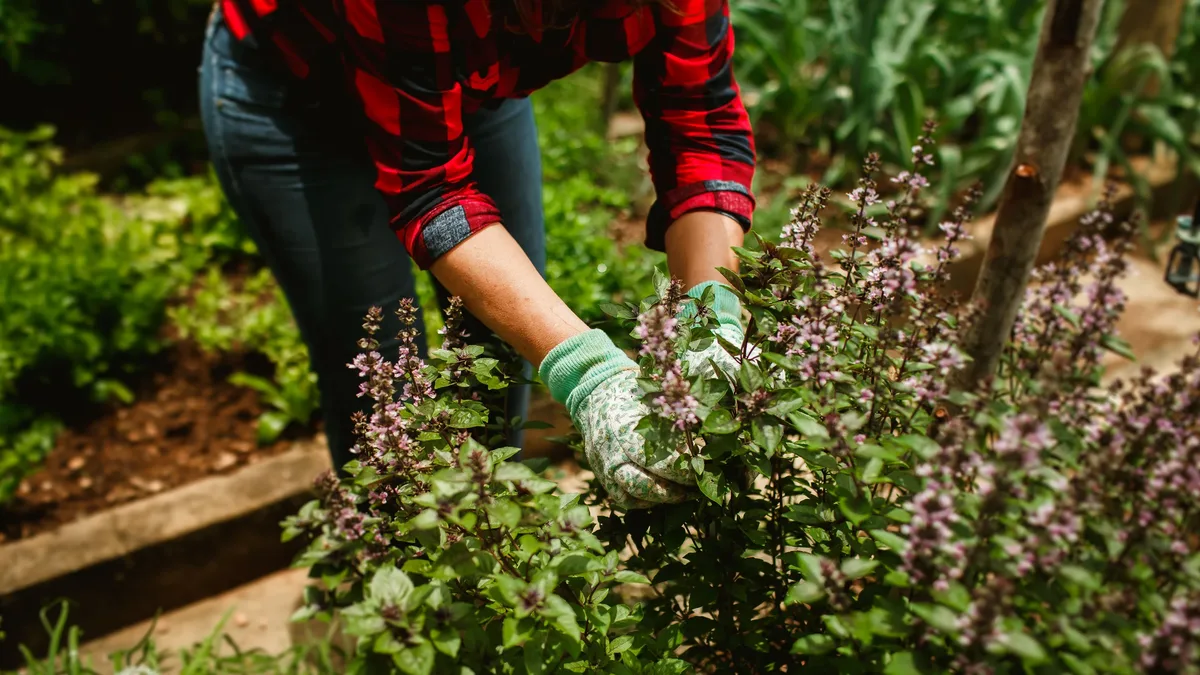
September Fuchsia Care for Final Blooms and Winter Prep
Gardening Know How outlines six essential tasks for fuchsia care in September, focusing on adjusting water and feed, light pruning and pest checks.
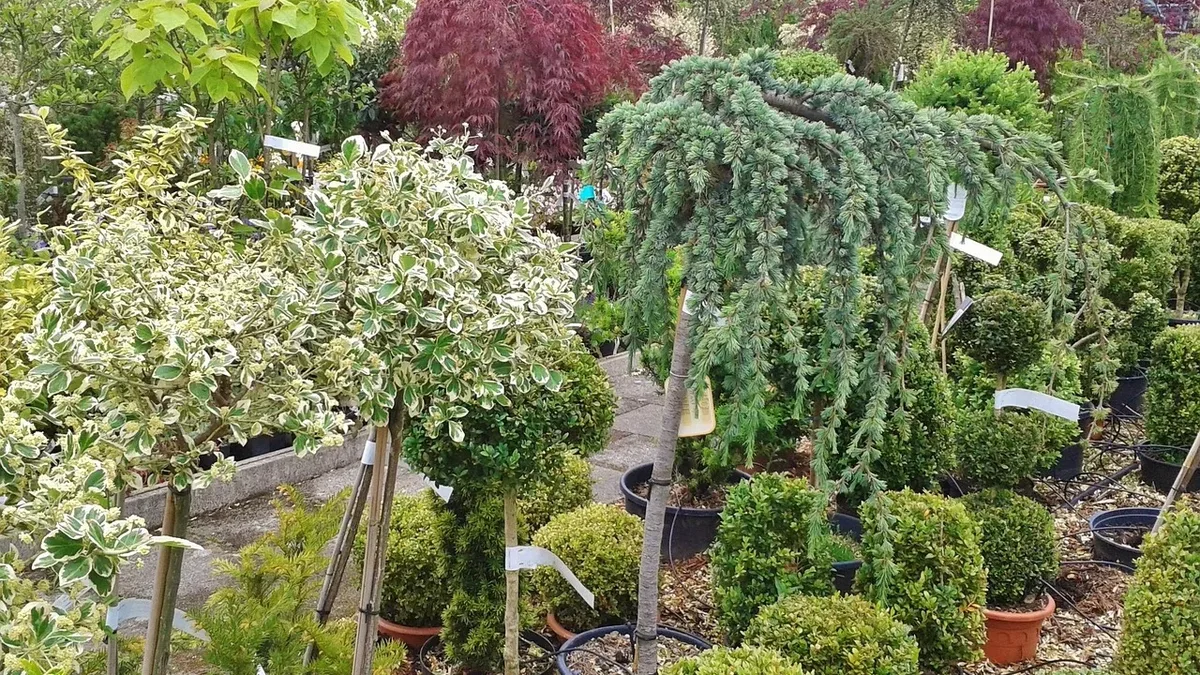
Five Trees Perfect for Container Planting in September
Gardening Know How recommends five tree species suitable for container planting in early autumn.
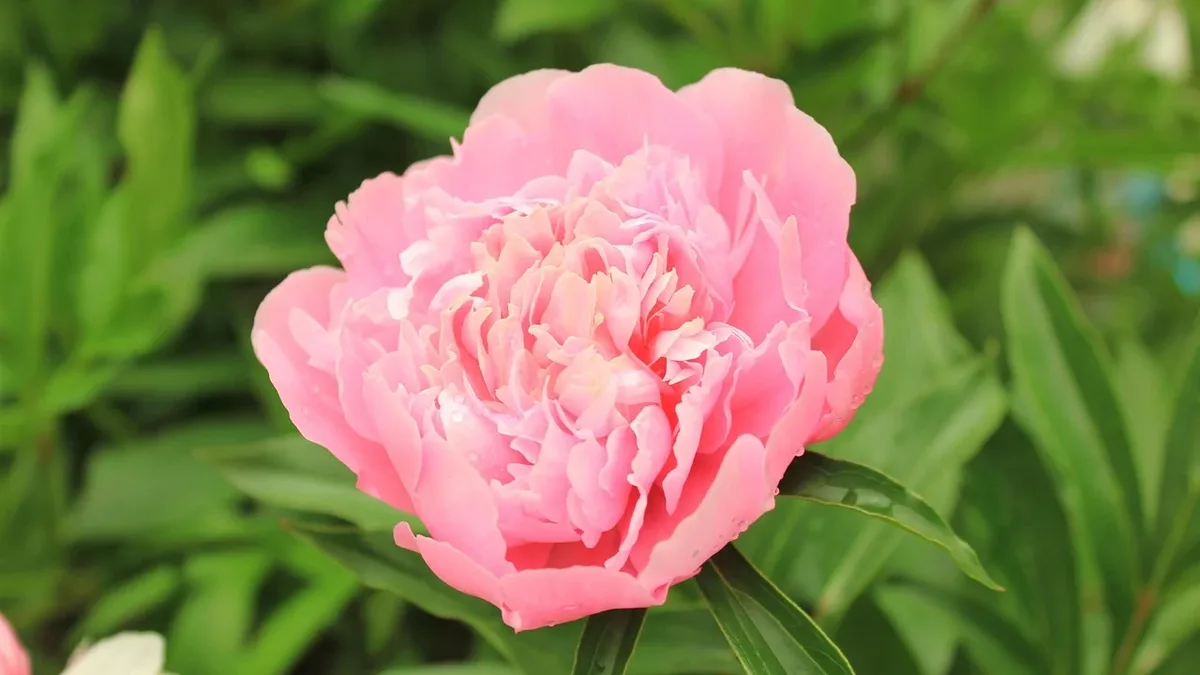
September Peony Care Tasks for Next Year's Blooms
Five essential fall gardening tasks for peonies, including cutting back foliage, dividing plants, and winter mulching, to ensure healthy growth.

Six Perennials to Divide in September for a Healthier Garden
Gardening Know How advises dividing six specific perennials in early fall, while warning against disturbing three others until spring.