September Peony Care Tasks for Next Year's Blooms
Five essential fall gardening tasks for peonies, including cutting back foliage, dividing plants, and winter mulching, to ensure healthy growth and
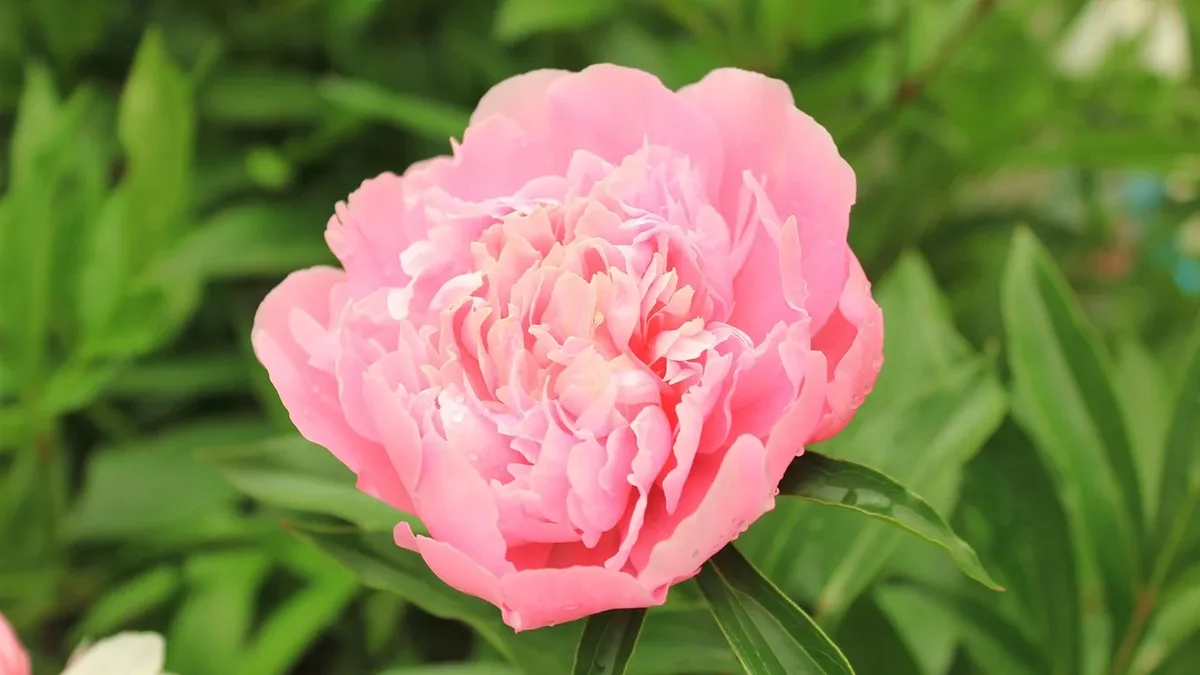
September is a critical month for peony care. The tasks completed now directly influence the health and flowering performance of these long-lived perennials in the coming spring.
Peonies can thrive for decades with minimal summer attention. However, autumn demands specific actions to manage disease, prepare plants for winter, and undertake necessary division or planting. Following these steps sets the stage for vigorous new shoots and the characteristic large, blousy blooms.
Remove and Dispose of Diseased Foliage
Fungal and bacterial infections pose a significant threat to peonies, particularly as cooler, wetter fall weather sets in. Gardeners should begin inspecting plants at summer's end and into September. Any leaves or stems showing damage, spots, dying tissue, or a powdery residue must be removed immediately.
It is key to clean and disinfect pruning shears after this task and before using them on healthy plant material. Diseased foliage should not be added to a compost pile. Dispose of it to prevent the spread of pathogens.
Cut Back All Spent Foliage
To further mitigate disease risk, all remaining peony foliage should be cut back in the fall. This removes potential vectors that could overwinter in the soil. Plants will regenerate from their roots in spring, even if cut to within a few inches of the ground.
You can wait until the foliage begins to die back naturally if it appears healthy. If disease was prevalent, cut everything back earlier. Remove all debris from the garden bed. The source notes that sharp tools, like Fiskars bypass pruning shears, help avoid damaging the plants during this process.
Divide Overcrowded Clumps
Fall is the optimal season for dividing peonies, but only when necessary. September offers cooler temperatures and more rainfall, reducing transplant stress. Peonies resent disturbance, so division should be considered only every five to ten years, typically when clumps become overcrowded and flower production declines.
The process involves cutting back the foliage, carefully digging up the root clump, and gently cleaning the soil away. Using a sharp, clean knife, the gardener should cut the roots into sections. "Each division should have three to five eyes (these look like pink or white buds) and substantial, healthy roots," the source advises.
Plant or Transplant in September
This month is also the best time for planting new bare-root peonies or moving established plants. Reasons for moving an existing peony might include increased shade from growing trees, poor soil drainage, or a garden redesign.
The new location must have full sun and well-draining soil. Plants require ample space for air circulation. A common and critical mistake is planting too deeply. The eyes on the roots should be positioned no more than one to two inches below the soil surface. New plantings and transplants need thorough watering to help them establish.
Apply a Light Winter Mulch
After cutting back foliage or planting, consider winter protection. In areas with cold winters, a light layer of mulch such as straw, pine needles, or bark can help insulate roots and retain soil moisture.
Avoid applying mulch too thickly. Crucially, leave a bare space over the crown of the plant. Piling mulch directly on the crown can create damp conditions that lead to rot. The source mentions products like Miracle-Gro Organic dye-free mulch as an option for this purpose.
Gardeners should also avoid several key mistakes in September. These include applying fertilizer, cutting back healthy foliage too early while it is still photosynthesizing, leaving cut foliage on the ground, composting diseased material, planting too deeply, mulching too heavily over crowns, and ignoring poor soil drainage. Completing these autumnal tasks ensures these resilient plants remain a garden highlight for years to come.