Christmas Cactus Care for Holiday Blooms Begins in October
To trigger flower buds, Christmas cacti need 12 hours of nightly darkness and cooler temperatures starting in October, along with reduced watering and no fertilizer.
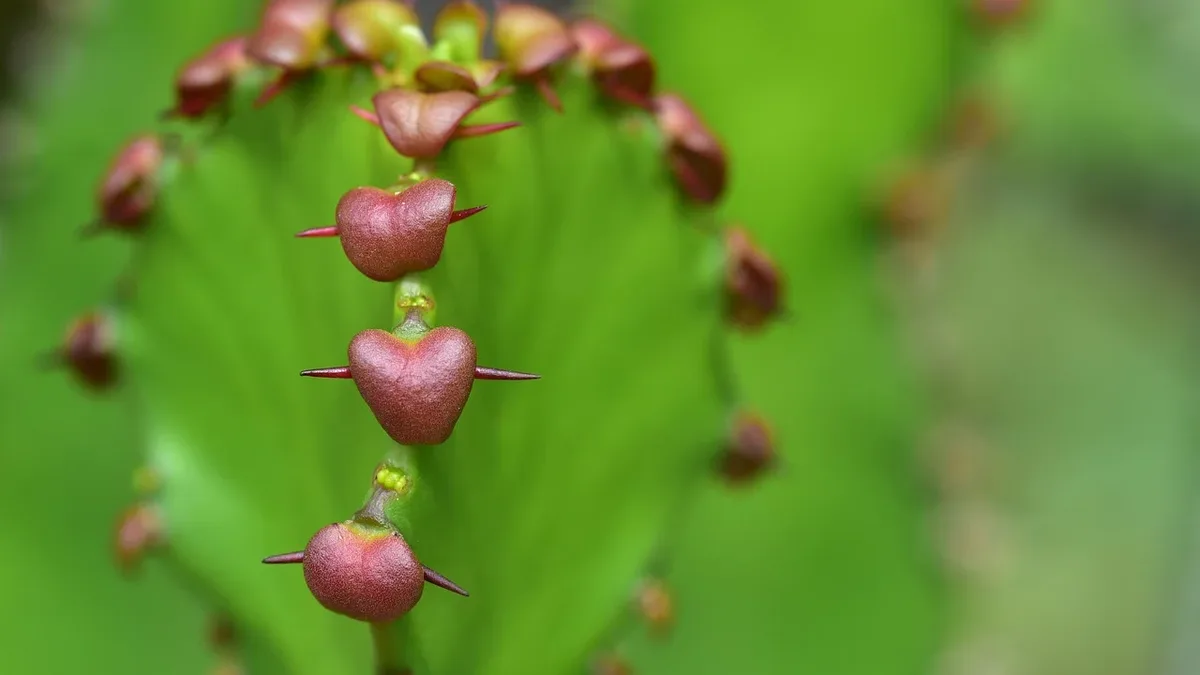
Christmas and Thanksgiving cacti require specific autumn conditions to form flower buds, starting with uninterrupted darkness. As October begins, gardeners must start a precise light and temperature routine to ensure their holiday cactus blooms. The Christmas cactus, scientifically known as Schlumbergera × buckleyi, and the Thanksgiving cactus, Schlumbergera truncata, both need around 12 hours of uninterrupted darkness every night to trigger bud formation.
After its nightly blackout, the plant should be returned to a spot with bright, indirect light for the remaining 12 hours of the day. The ideal temperature range during this period is between 50-55°F (10-13°C). Shorter days and cooler nights in autumn mimic the plant's natural habitat and help initiate flowering. In the wild, these tropical cacti experience a dry autumn with little rainfall and spend early winter in cooler conditions, which stimulates bud formation.
Monthly care routine for bud development
From October through bud appearance, watering, fertilizing, and light exposure must be carefully managed to support blooming. Watering should be reduced in autumn. Check soil moisture weekly and only water if the soil is dry at the first knuckle depth. Fertilizing should stop completely in October and November. This encourages the plant to form flower buds instead of producing leafy growth.
Flower buds first appear as tiny, brightly colored points at the tips of the flattened stems. Once buds are visible, the nightly 12-hour blackout is no longer needed. The plant should then be moved to a bright, warm spot to support bud development. October begins the preparation for holiday blooming, but seasonal changes can trigger stress and leaf drop if care is inadequate.
Tools and products to support care
Gardeners can use specific tools and fertilizers to monitor moisture and nourish the plant after its flowering cycle. An XLUX Soil Moisture Meter is an inexpensive tool to help avoid overwatering. TPS Nutrients Christmas Cactus Fertilizer is a balanced houseplant fertilizer suitable for use after flowering ends in spring. For creating the required darkness, 5-gallon black grow bags can be used to cover the plant during its dark period.
The expert behind the advice
Teo Spengler, a master gardener and docent at the San Francisco Botanical Garden, provides this guidance. She has studied horticulture and written about nature, trees, plants and gardening for more than two decades. Before turning her focus to gardening, she worked as an attorney and legal writer. Her extended family includes some 30 houseplants and hundreds of outdoor plants, including 250 trees.
Why this plant is a holiday favorite
The Christmas cactus is an extremely popular holiday plant, second only to the Christmas tree. It is a tropical cactus that doesn’t have needles. When not in its holiday season, the plant can look lush and lovely in spring, summer, and fall with proper care. While easy to grow as a houseplant, getting it to produce another spectacular holiday flower display requires more planning than simply keeping it alive. After flowering ends and the plant resumes active growth in spring, fertilizing can resume with a balanced houseplant fertilizer.