
October
| Country of origin | Roman calendar (ancient Rome) |
|---|---|
| First created | 8th century BC (as part of the Roman calendar) |
| Original use | Eighth month of the original Roman year |
| Length | 31 days |
| Season (Northern Hemisphere) | Autumn |
| Season (Southern Hemisphere) | Spring |
| Primary zodiac signs | Libra and Scorpio |
| Associated birthstone | Opal or Tourmaline |
| Associated flower | Calendula or Cosmos |
Origin and history
October is the tenth month in the Gregorian calendar, but its name derives from the Latin word "octo," meaning eight, as it was the eighth month in the ancient Roman calendar. This calendar, traditionally attributed to Romulus in the 8th century BC, began the year in March. The shift to its current position occurred with the later Julian calendar reforms in the 1st century BC, which established January as the year's start. The Anglo-Saxons referred to the period as "Winterfylleth," meaning "winter full moon," marking the beginning of winter. Its history is deeply tied to agricultural and astronomical transitions in the Northern Hemisphere, serving as a pivotal point between the equinox and solstice. The month has no single country of origin but is a product of Roman timekeeping that was standardized and spread across Europe and eventually the globe.
What it is for
October serves as a critical transitional period in the temperate Northern Hemisphere, marking the definitive shift from late summer to autumn. Its primary purpose is to provide a structured timeframe for harvesting late-season crops, such as apples, pumpkins, squash, and root vegetables, before the first hard frosts. The month is essential for gardeners to complete specific tasks, including planting spring-flowering bulbs, dividing perennials, and applying fall fertilizers to lawns. It is a key window for preparing plants for winter dormancy through activities like cutting back certain herbaceous perennials, protecting tender shrubs, and raking leaves to prevent lawn disease. In the horticultural calendar, October is for sowing cover crops to protect soil and for the final harvest of many herbs before they lose potency. Furthermore, it establishes the environmental conditions necessary for the senescence of deciduous trees, leading to the characteristic leaf color changes.
Pros and cons
A significant advantage of October is its reliably cooler temperatures and increased soil moisture, which reduce transplant shock for trees, shrubs, and perennials, promoting strong root establishment before winter. The month also offers a respite from many summer pests and diseases, allowing for effective garden cleanup and remediation. A major con is the high variability and unpredictability of the first frost date, which can arrive early and without warning, devastating unharvested tender annuals and vegetables. Many gardeners regret not heeding frost warnings, leading to the loss of tomatoes, peppers, and basil. The month's abundant leaf fall, while beneficial for compost, creates a persistent maintenance burden and can smother lawns and beds if not managed promptly. A common mistake is pruning certain plants too aggressively in October, which can stimulate vulnerable new growth or remove next year's flower buds on spring-blooming shrubs.
Who it suits
October suits the proactive gardener who is diligent about seasonal deadlines and prepared to act quickly in response to changing weather forecasts. It is ideal for those focused on long-term landscape investment, as it is the premier time for planting bare-root trees, shrubs, and many hardy perennials to ensure a vigorous start the following spring. The month suits vegetable growers who have planned for cool-season crops like kale, garlic, and overwintering onions, which thrive in the declining temperatures. It is less suited to gardeners who prefer the leisurely pace of summer cultivation, as October demands efficient action and cleanup. Those in regions with early, severe winters may find the window for October tasks frustratingly short and challenging. Ultimately, October is for the planner who views garden preparation in autumn as essential for success in the year to come.
Latest October news
Latest reporting
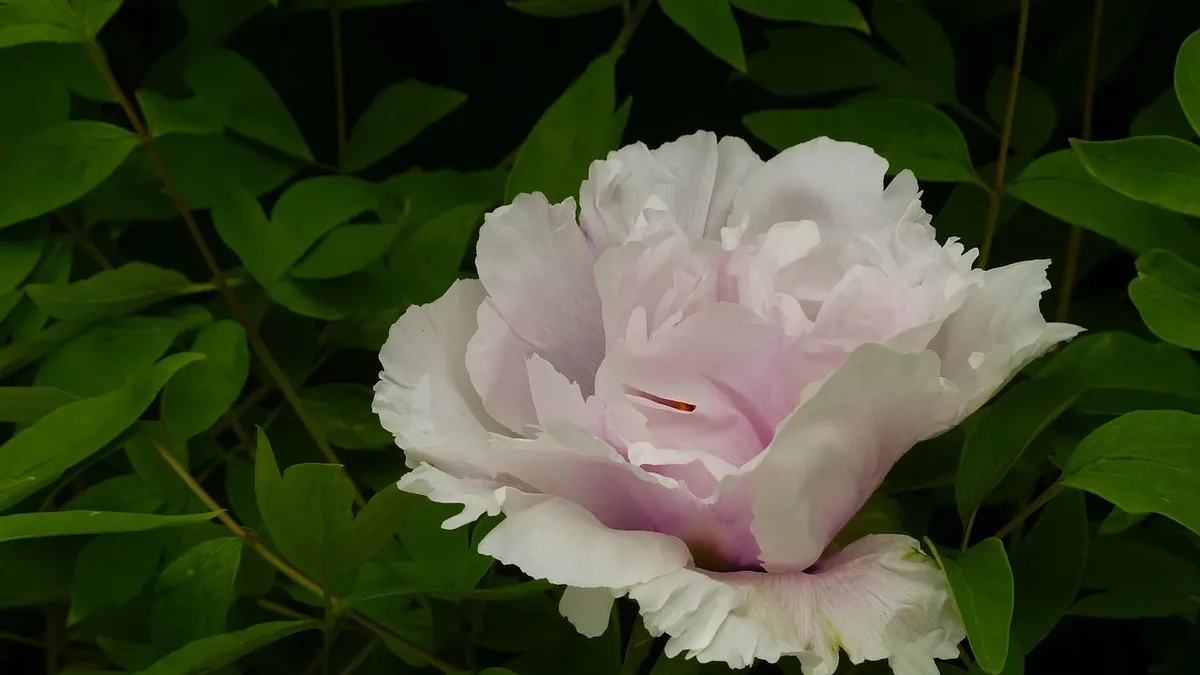
Six Flowers to Plant in October for Summer Blooms
October is the ideal month to plant peonies, azaleas, wisteria, alliums, and other perennials for stronger root growth and vibrant blooms next summer.

September Lawn Check for Chafer Grub Damage
Gardeners must check lawns for chafer grub infestations this September. The pests have surged after a hot, dry summer and can cause permanent damage...