Legumes for Soil Health in the Vegetable Garden
A gardener turns to legume cover crops to improve challenging clay soil, while a separate guide outlines eight perennials ideal for division in October.
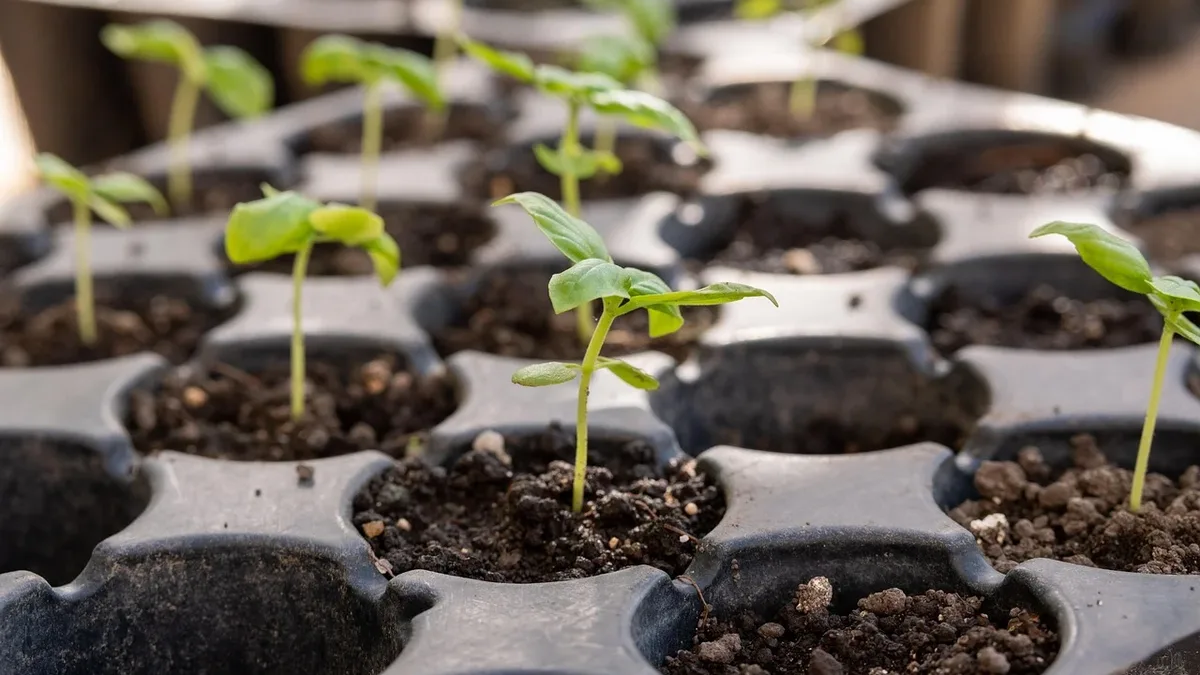
One gardener's seasonal soil challenge highlights the restorative power of legume cover crops sown in autumn. In a separate piece, October is pinpointed as a prime month for propagating eight popular perennial plants through division.
Improving Soil with Legumes
A gardener working with heavy, nutrient-dense clay soil finds traditional mulching challenging due to a sloping site and weather extremes. To improve soil structure and nutrient availability for the next growing season, they are sowing legume cover crops this autumn. Legumes, including vetch, field beans, and forage peas, capture atmospheric nitrogen with the help of bacteria, storing it in their roots and stems to benefit future plants.
The ideal sowing time for these crops is September, though October may suffice in milder areas. The plants develop deep root systems over winter and are cut down in spring before flowering. The soft stems can then be incorporated into the soil as a green manure or used as a surface mulch, while the decomposing roots improve soil texture and water retention. This method requires dedicating vegetable beds to soil improvement over winter, sacrificing space for winter crops, but promises a more workable garden come spring.
Dividing Perennials in October
October is an optimal time to propagate perennial plants by division, a simple method that multiplies established plants. The process involves lifting a mature perennial, dividing its root system into sections, and replanting them immediately. The soil is still workable in October, allowing new divisions to establish roots before the first frost, unlike the unsuitable conditions of midsummer or deep winter.
Successful division requires a sharp tool, such as a spade, garden knife, or a specialized Root Slayer shovel, to dig and separate the rootball. Divisions must be replanted at their original depth, with soil firmed to remove air pockets and watered thoroughly. Consistent moisture is critical for several weeks to help the new plants establish. The guide recommends eight specific perennials for October division.
The process for hostas involves digging up the entire plant and carefully separating the tuber clumps. Sedum, while listed, did not have specific division details provided beyond its inclusion. The overall emphasis is on acting promptly in October to ensure strong root establishment before winter dormancy.