Winter mulch protects perennial beds with leaves and pine needles
Gardeners can use free yard debris like shredded leaves, pine needles, and wood chips as effective winter mulch for perennial beds.
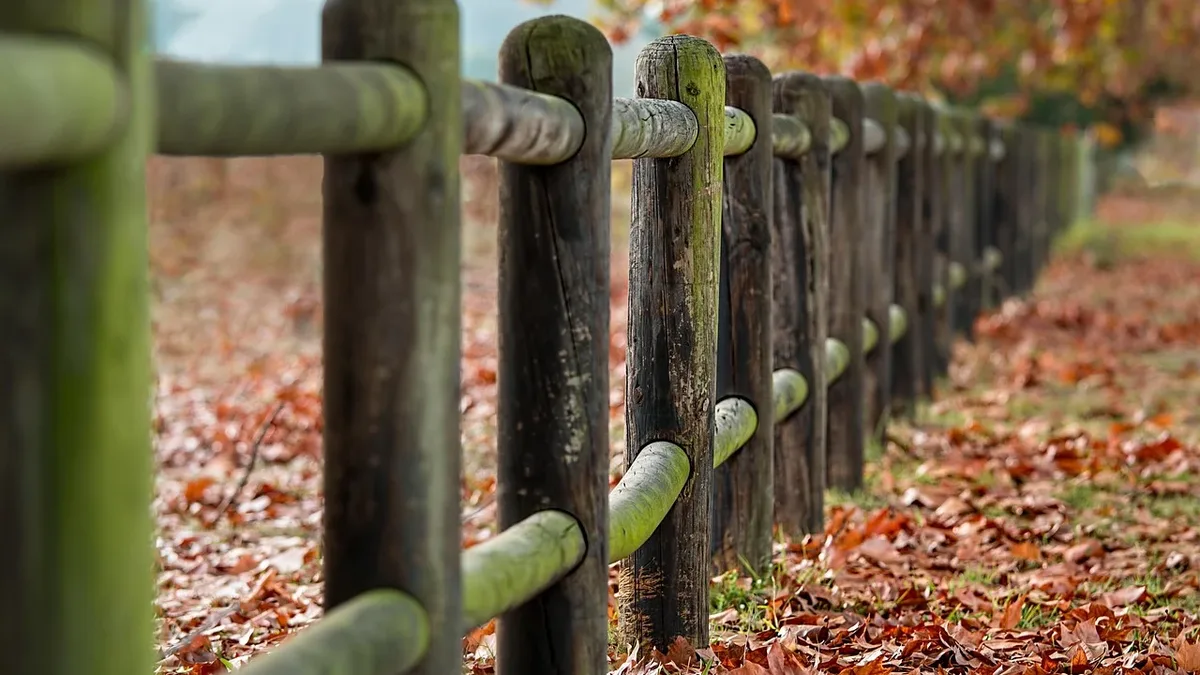
Shredded leaves, pine needles, wood chips, and certain garden trimmings make effective winter mulch when prepared correctly to avoid matting, disease spread, or pest harborage. These free materials protect perennial beds through cold months, improving soil stability and plant survival without the need for purchased bagged mulch.
Shredded leaves work better as mulch than whole leaves because whole leaves form a wet mat that sheds rain and holds moisture against plant crowns. Shredded leaves stay loose enough for air and water to pass through. They can be made by running over them with a lawn mower in one or two passes, especially with a bagger. A dedicated leaf shredder can make shredding large volumes of leaves quicker. Maple leaves are especially prone to matting, so shredding is particularly important for them. Black walnut leaves contain juglone, which can harm tomatoes and other sensitive plants, so they should be composted first to break down the juglone over several weeks.
Pine needles, often sold as pine straw, make an excellent free winter mulch and resist compacting under snow. Fresh pine needles are acidic but cause little measurable change in soil pH when used as mulch. They do not need shredding and can be spread straight around perennial beds after the ground has started to freeze. Pine needles resist compacting under snow, allowing rain and melting snow to drain through to the soil.
Dead wood and storm-damaged branches can be chipped into long-lasting winter mulch. Wood chips break down slowly and can protect perennial beds for more than one season. Chipped material from diseased trees or shrubs should be avoided as it can spread problems; infected branches should be disposed of instead. Chipped material should be stored in a loose pile until the ground begins to freeze, then spread around established perennials, keeping mulch a few inches away from stems and crowns.
Preparing garden waste for mulch
Healthy bean vines and spent annuals can be chopped and spread over perennial beds once the ground has frozen. Ornamental grass trimmings should have seed heads removed before use as mulch to prevent self-sowing. Their stems should be cut into pieces about 4-6 inches (10-15 cm) long to stay in place and allow drainage. These chopped stems can be spread loosely around perennial beds after the ground has frozen.
Some plant materials are unsuitable for direct mulching. Tomato and squash plants suffering from blight or powdery mildew should be trashed, as disease spores can overwinter on infected material. Corn stalks may harbor European corn borer larvae that can overwinter inside them. Running corn stalks through a mower can kill many but not all European corn borer larvae. Chopped corn stalks are better added to a hot compost pile, where they break down safely over about a year before garden use. Large sticks or woody pieces in compost should be screened out before use, and leftovers returned to the compost pile.
When and how to apply winter mulch for maximum protection
Mulch should be applied after soil freezes and perennials dormancy begins, at a depth of 3-4 inches, kept away from stems, and adjusted in spring to protect against late frost. Winter mulch should be applied after the top inch or two (2.5-5 cm) of soil has frozen and perennials have gone dormant. In many colder regions, this timing is not until late fall. Mulch should not be spread too early, as it can trap warmth and moisture in the soil, which is harmful to dormant plants. Early mulching can also provide shelter for voles and other rodents that may chew on roots and bark. In areas with mild winters, mulching should wait until after a few hard freezes.
Shredded leaves should be stored in paper yard waste bags, a garden bin, or another dry, sheltered spot until the ground begins to freeze. About 3-4 inches (8-10 cm) of mulch should be spread over perennial beds. Shredded leaves settle over time, so starting with a slightly deeper layer is acceptable. Mulch should be kept 2-3 inches (5-8 cm) away from tree trunks and shrub stems to avoid trapping moisture against the bark.
Evergreen boughs need no preparation and can be laid in a loose crisscross over perennial beds after the ground has frozen to trap insulating snow and shade soil. Branches from a cut Christmas tree can be reused as mulch in the same way as evergreen boughs after the holidays. In dry or fire-prone areas, pine straw should be kept at least a few feet (about 1 m) away from homes and other structures due to fire hazard.
Finished compost is too dense and fine to provide much insulation on its own. About 1 inch (2.5 cm) of finished compost should be spread over perennial beds after the growing season to feed the soil. It should then be topped with a looser mulch like shredded leaves or pine needles to insulate soil and protect plant crowns.
In spring, mulch should be raked back gradually as new shoots emerge but kept nearby for a week or two in case of late frost. By the end of spring, much of the shredded leaf mulch will have broken down into the soil, ready to be replaced with next fall’s supply. Once weather has settled, partially decomposed mulch can be spread over vegetable beds or added to the compost pile.