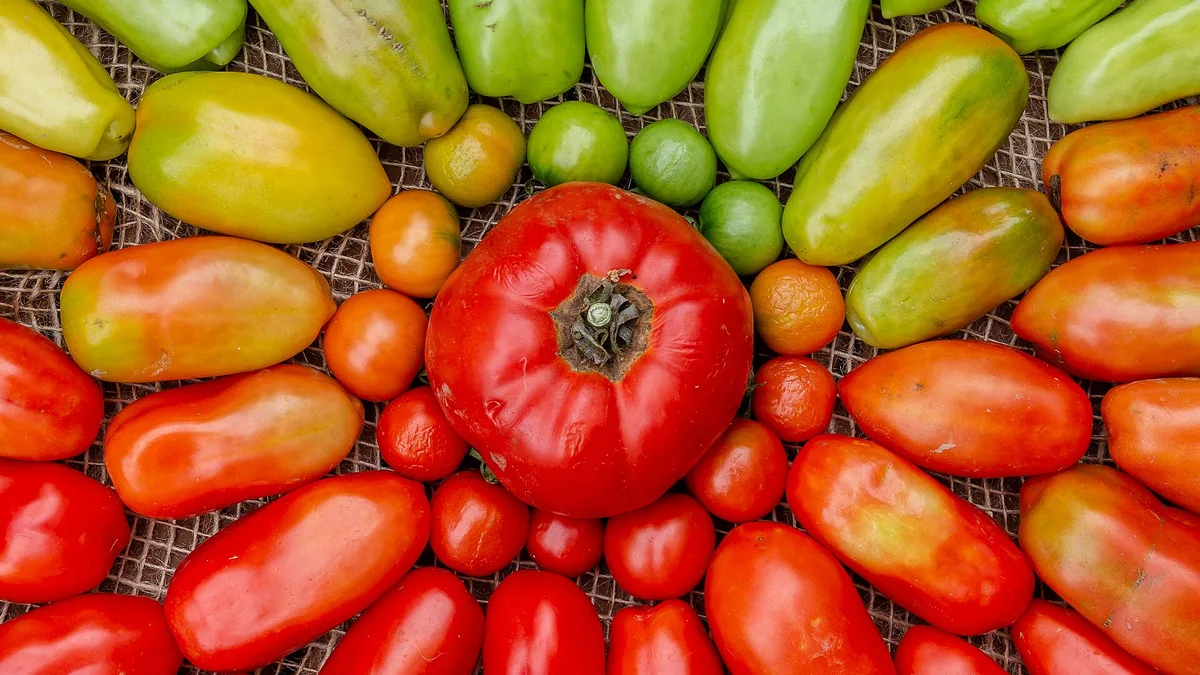
Tomatoes
| Country of origin | Western South America |
|---|---|
| First domesticated | Approximately 500 BC |
| Original use | Food crop |
| Sow (indoors) | Late winter to mid-spring |
| Sow (outdoors)/Plant out | Late spring to early summer after last frost |
| Harvest | Mid-summer to early autumn |
| Position | Full sun |
| Soil | Fertile, well-drained |
| Spacing | 45-90 cm apart |
Origin and history
The cultivated tomato, *Solanum lycopersicum*, originates from western South America, specifically the coastal regions of modern-day Peru, Ecuador, and northern Chile. Its wild ancestors were small, berry-sized fruits growing in these Andean regions. The plant was first domesticated by indigenous peoples in pre-Columbian Mexico, where selective breeding began to increase fruit size and variation. Documentation of the tomato in European records began in the 16th century following the Spanish colonization of the Americas. For centuries in Europe, the tomato was primarily grown as an ornamental curiosity, with widespread suspicion regarding the edibility of its fruit due to its relation to poisonous nightshades. It was not until the 18th and 19th centuries that tomato consumption became commonplace in European and North American cuisine.
What it was bred for
Initial domestication focused on selecting for larger fruit size and a greater diversity of shapes from the small, pea-sized wild progenitors. Breeding efforts historically prioritized improved yield and fleshier fruit with fewer seeds for culinary use. A significant historical breeding goal was to develop varieties suited to different climatic conditions outside their tropical origin, such as shorter season cultivars for temperate zones. Over time, selection emphasized traits like uniform ripening, firmer skin for transport, and resistance to common soil-borne diseases like fusarium and verticillium wilt. Modern breeding continues to target enhanced flavor profiles, nutritional content like higher lycopene levels, and resistance to a broader range of pests and pathogens. The development of determinate (bush) types was specifically for mechanized harvesting and compact garden growth, unlike the vining indeterminate forms.
Life cycle
The tomato is a frost-tender perennial grown as an annual in most climates, completing its life cycle within a single growing season. It germinates from seed in warm soil, typically requiring temperatures above 10°C (50°F), with seedlings developing true leaves within a few weeks. Vegetative growth is rapid, with plants developing a strong central stem and compound leaves, after which flowering is initiated by environmental cues like day length and temperature. Pollination, often aided by wind or insects, leads to fruit set, where fertilized flowers develop into berries that undergo a color change from green to their mature hue as they ripen. The plant's end-of-life senescence is triggered by falling temperatures, nutrient exhaustion, or disease, though indeterminate varieties will continue flowering and fruiting until killed by frost. Seeds within the mature fruit are viable and, if saved under proper conditions, can begin the cycle anew the following season.
Character and appearance
Tomato plants exhibit a range of growth habits, from compact, self-topping determinate bushes to sprawling, continuously vining indeterminate types that can exceed two meters in height. The foliage is distinctly aromatic, with bright to dark green compound leaves that are often hairy and have a slightly rough texture. Flowers are typically yellow, star-shaped, and borne in clusters, with five petals fused at the base. The fruit itself is a true berry, displaying immense variety in size, shape, and color based on cultivar, from small, round cherries to large, pleated beefsteaks, and colors including red, yellow, orange, pink, purple, and striped patterns. The plant's stems are typically round and become woody at the base, often requiring support for optimal growth and air circulation. Overall appearance in the garden is dense and lush, with the weight of ripening fruit frequently causing branches to bend downward.
Pros and cons
A primary advantage of tomatoes is their high culinary versatility, being used fresh, cooked, canned, or processed into sauces, juices, and pastes. They are also a valuable source of vitamins C and K, potassium, and the antioxidant lycopene. A significant con is their susceptibility to a wide range of fungal, bacterial, and viral diseases, such as early blight, late blight, and tomato mosaic virus, which can devastate crops in humid or wet conditions. Many gardeners regret choosing large indeterminate varieties without providing adequate sturdy staking or caging, leading to tangled plants and fruit rot from soil contact. A common mistake is planting too early in cold soil, which stunts growth and makes plants more vulnerable to disease for the entire season. Furthermore, blossom end rot, a physiological disorder caused by calcium uptake issues often linked to irregular watering, frequently disappoints growers expecting perfect fruit.
Who it suits
Tomatoes suit gardeners with a sunny, warm growing site who are prepared to provide consistent watering and disease monitoring throughout the season. They are ideal for those interested in harvesting a wide diversity of flavors and forms not available in typical grocery stores. Determinate, bush-type varieties suit gardeners with limited space, such as container growers on patios or balconies, and those who prefer a concentrated harvest for preserving. Indeterminate, vining types are suited to gardeners with more space who desire a continuous harvest over many months and who will commit to regular pruning and staking. They are less suited to gardeners in very cool, short-summer climates without season-extending measures like greenhouses or cloches. Tomatoes also suit those willing to practice crop rotation to mitigate soil-borne disease, making them a better choice for organized, planned gardens rather than casual, single-plot plantings.
Latest Tomatoes news
Latest reporting
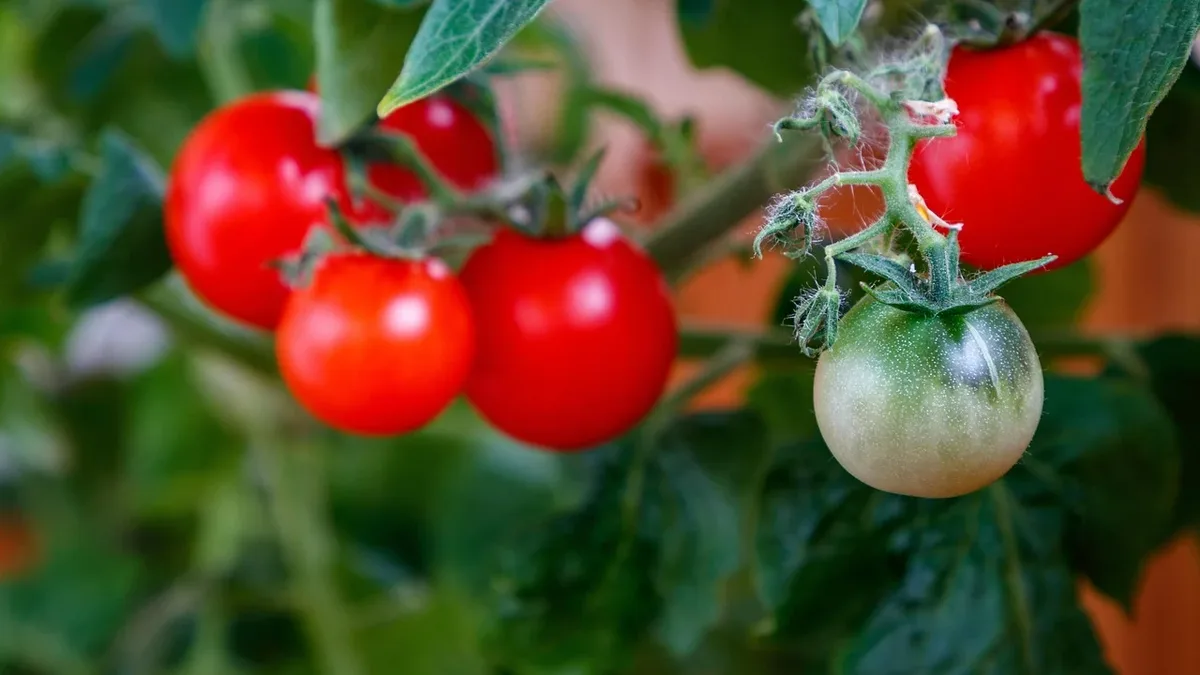
How to Ripen Green Tomatoes Fast in Fall
A simple fall technique using pruning and reduced watering can force green tomatoes to ripen quickly before frost damages the crop.
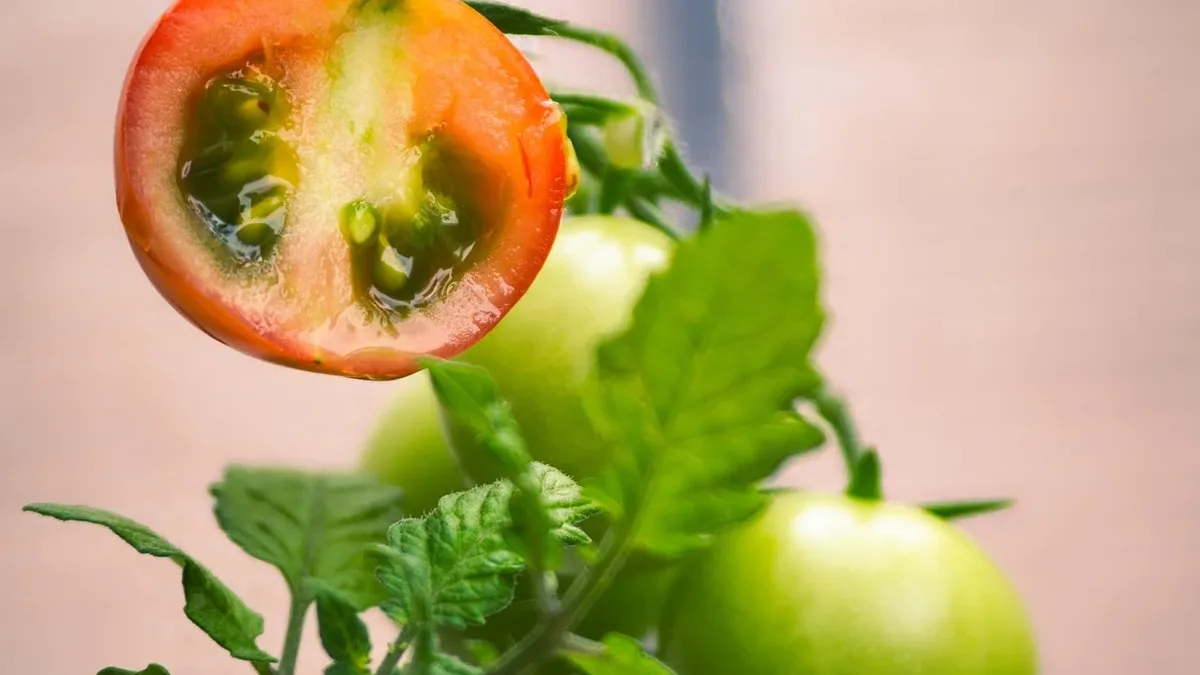
Tomatoes Still Have Flowers But No Fruit?
Tomato plants may flower but fail to set fruit due to heat stress, improper watering, or nutrient imbalance. Follow five practical steps to improve...
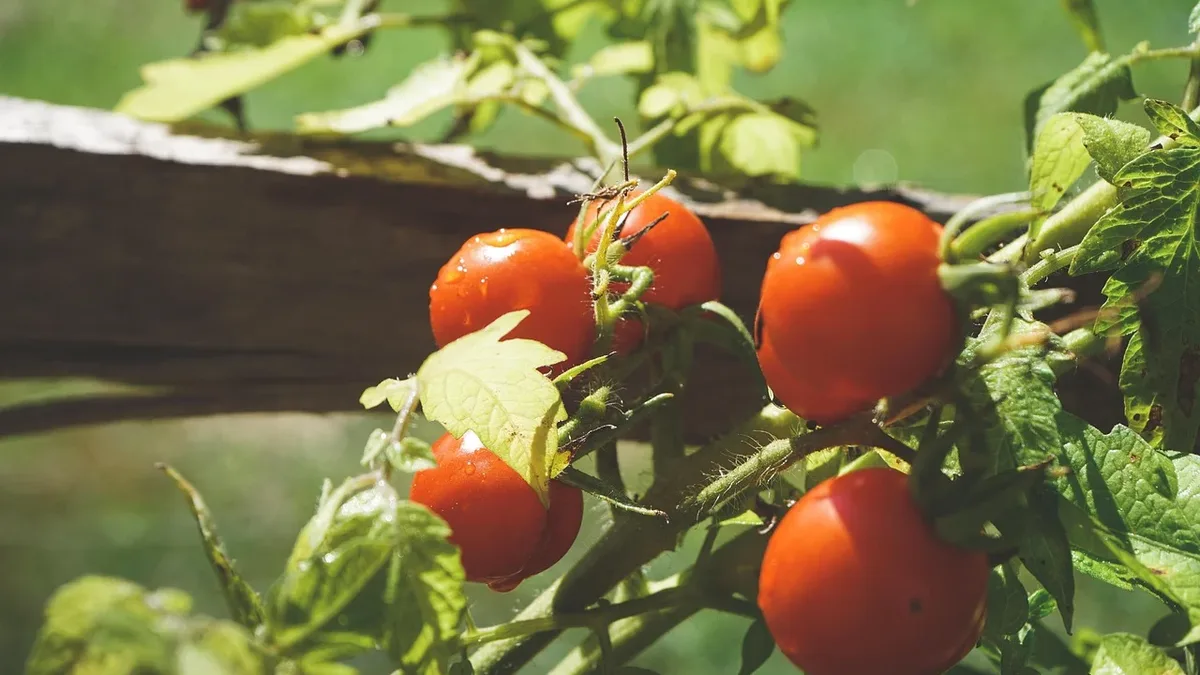
Rob’s 60-by-45-foot Summer Garden in NC
Rob’s 60-by-45-foot garden in Fort Barnwell, North Carolina, is thriving with container-grown tomatoes, peas, corn and more, despite a recent hot...