How to Ripen Green Tomatoes Fast in Fall
A simple fall technique using pruning and reduced watering can force green tomatoes to ripen quickly before frost damages the crop.
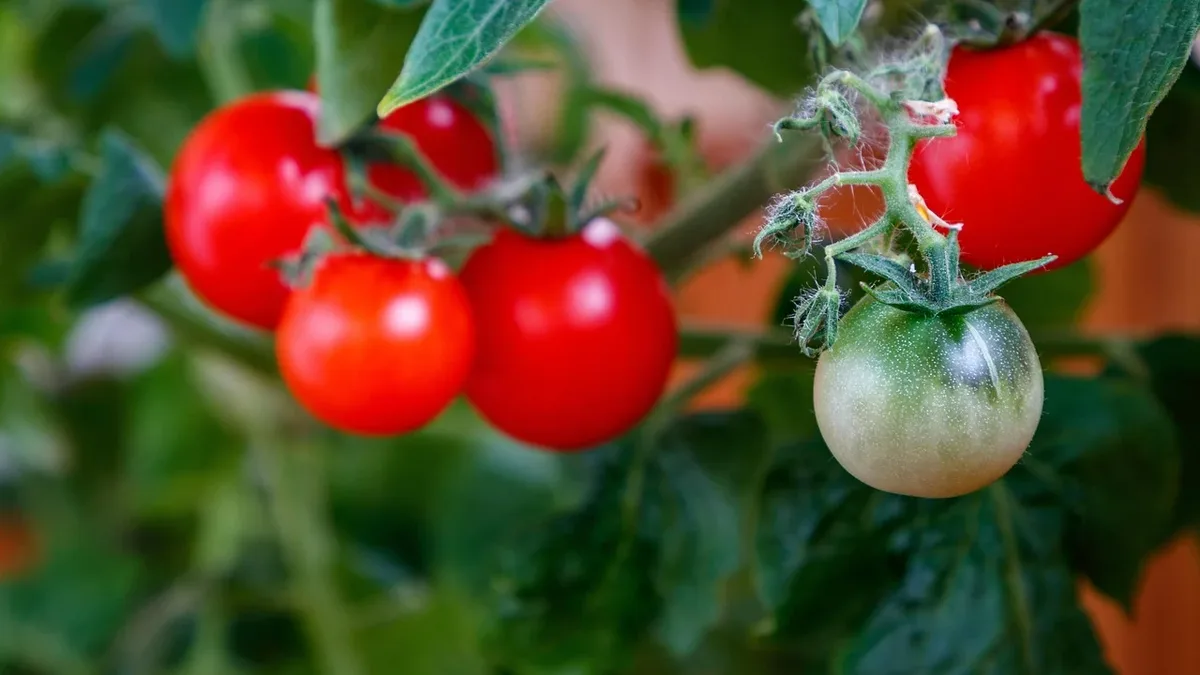
Warm September days trick tomato plants into growing more fruit while cold nights stop ripening, leaving green tomatoes on the vine. A simple fall trick using pruning, reduced watering, and warmth exposure can rapidly ripen them by triggering the plant's survival instinct to prioritize fruit maturation.
How to Trigger Ripening Through Controlled Stress
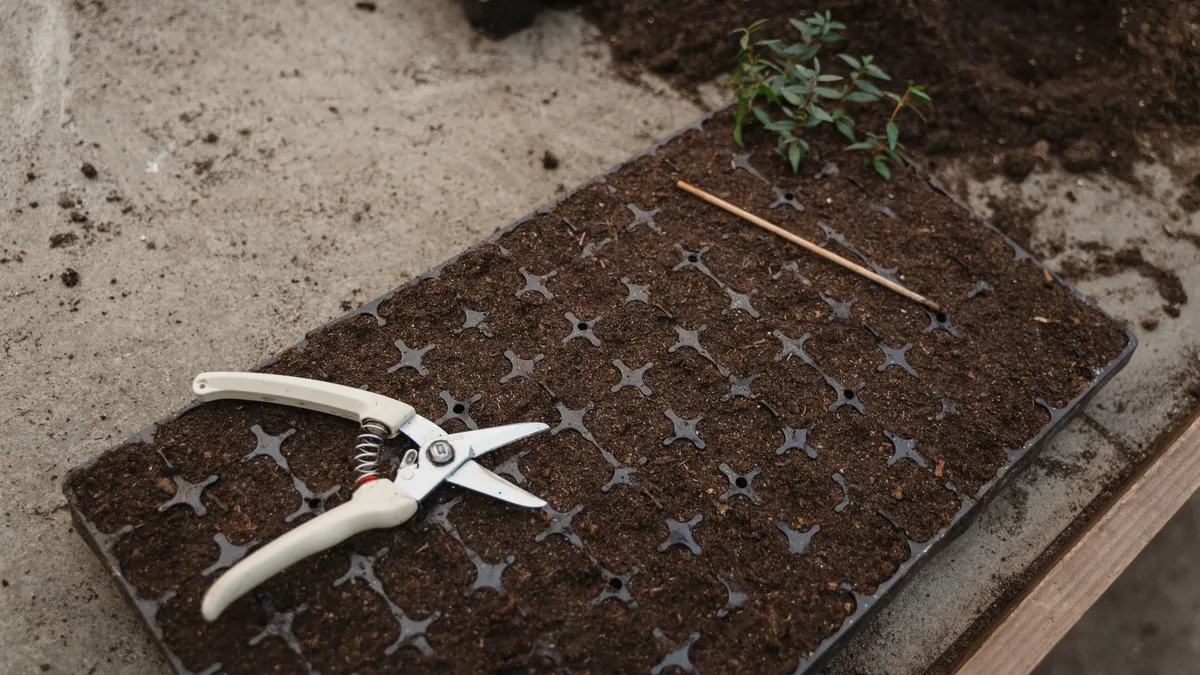
By pruning growth, removing foliage, and reducing water, gardeners can stress the plant into releasing ethylene to accelerate ripening. The method involves halting all new growth by snipping off the main growing tip, yellow flowers, newly-formed tiny green tomatoes, and removing sucker shoots. This three-minute pruning fix stops vertical growth and includes stripping away all open flowers, tiny buds, and marble-sized fruit.
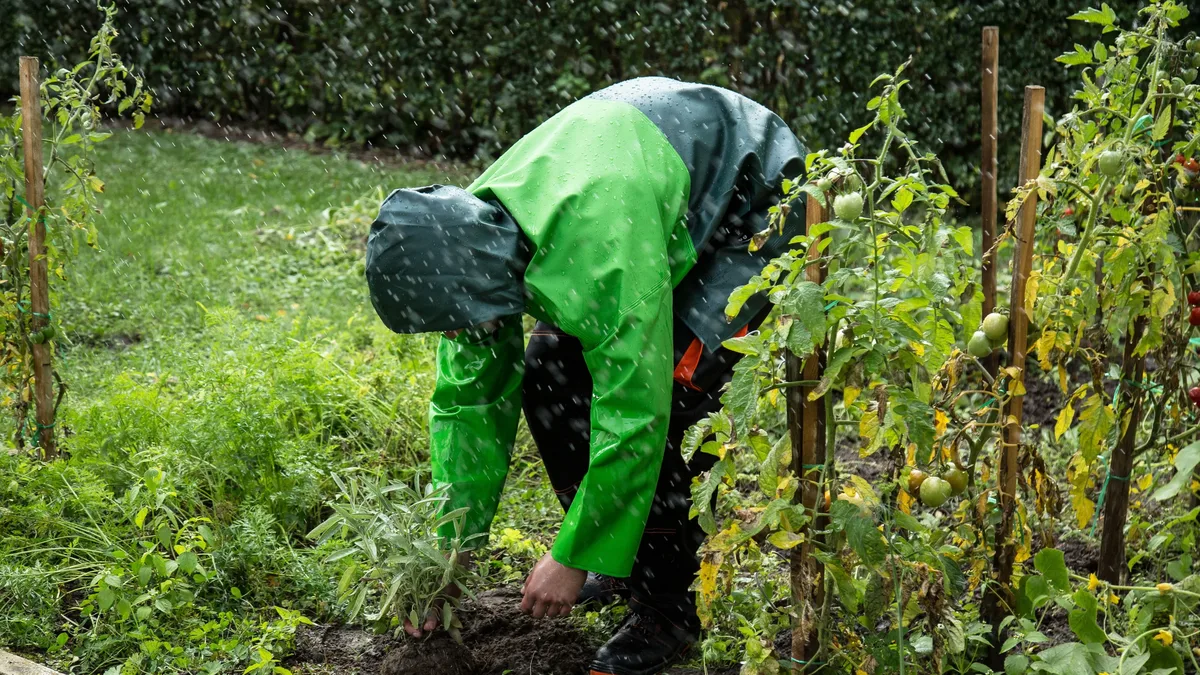
Stripping away all leaves on the bottom third of the plant stresses it, making it think winter has arrived early. Removing foliage that shades fruit trusses also allows direct sunlight to warm the fruit for maximum ripening. Cutting the water supply triggers survival mode, causing the plant to release ethylene gas, which accelerates ripening. For tomatoes in the ground, stop irrigating completely. In containers, grow bags, or greenhouses, reduce watering to the bare minimum. A light watering once a week is sufficient if there is no rain and the main stem isn't drooping.
Controlled stress from pruning triggers a surge of ethylene, forcing green tomatoes to turn red rapidly. For an added stress trigger, sink a trowel into the soil six inches from the main stem on two sides to sever outer roots.
Protecting Fruit and Monitoring Conditions
Gardeners should use thermometers to track temperatures, protect plants from cold with fleece or greenhouse tactics, and avoid frost which ruins fruit. The ripening process shuts down when air temperatures drop below 50°F (10°C). Garden thermometers, analog or digital, help monitor temperature to guide decisions.
In greenhouses, closing doors and vents in the late afternoon and opening them in the morning traps warm air. Horticultural fleece, like a breathable plant cover, can protect outdoor tomatoes from cold nights. Tomato plants have zero frost tolerance. Frozen fruit is immediately ruined due to its high water content.
What to Do with Remaining Green Tomatoes
If nights drop below 50°F or frost looms, harvest full-sized fruit and ripen them indoors with ethylene-boosting methods like a banana in a box. Green tomatoes should remain on the vine as long as nighttime lows stay above 50°F (10°C). Once nights drop below that threshold or a hard frost looms, all full-sized fruit should be harvested immediately.
Tomatoes should be placed in a single layer inside a cardboard box in a warm, dark room to ripen indoors. Adding a ripe banana or apple to the box concentrates ethylene gas and speeds up ripening within a week or two. Direct sunlight should be avoided when ripening tomatoes indoors as it bakes the skin and rots the fruit. Green tomatoes can also be ripened in a brown paper bag with a banana or in a closed kitchen cupboard, reducing ripening time to about a week.
Emma suggests gardeners try this approach. "Try this simple fall trick and you'll have rapidly ripening tomatoes, and I'll wager you’ll be surprised how fast it works," she said. Interestingly, tomato plants have around 25% more genes than humans. Gardeners should save seeds from strong, good-sized tomatoes for next year's planting.