Greenhouse
| Sow | Late winter to early spring |
|---|---|
| Harvest | Year-round (for climate control) |
| Position | Full sun |
| Construction | Glass or polycarbonate panels |
| Ventilation | Manual or automatic vents |
| Heating | Optional, for year-round use |
| Original use | Extending growing seasons |
Origin and history
The modern greenhouse, as a structure designed to cultivate plants, has its origins in the Roman Empire during the first century AD. Roman gardeners used translucent sheets of mica to construct specularia, which were primitive structures intended to force cucumbers for the table of Emperor Tiberius. The concept of protected cultivation was further developed in Korea during the Joseon Dynasty, where the first recorded use of heated greenhouses, known as mandarin greenhouses, appeared by the early seventeenth century. In Europe, the idea re-emerged during the Renaissance in Italy with the development of orangeries, which were used to protect delicate citrus trees during winter. The technological evolution accelerated in the nineteenth century with the advent of cheaper sheet glass and cast iron, allowing for the construction of larger public conservatories. The widespread adoption of polyethylene plastic film in the mid-twentieth century revolutionized greenhouse design, making controlled-environment agriculture accessible on a commercial and hobbyist scale.
What it is for
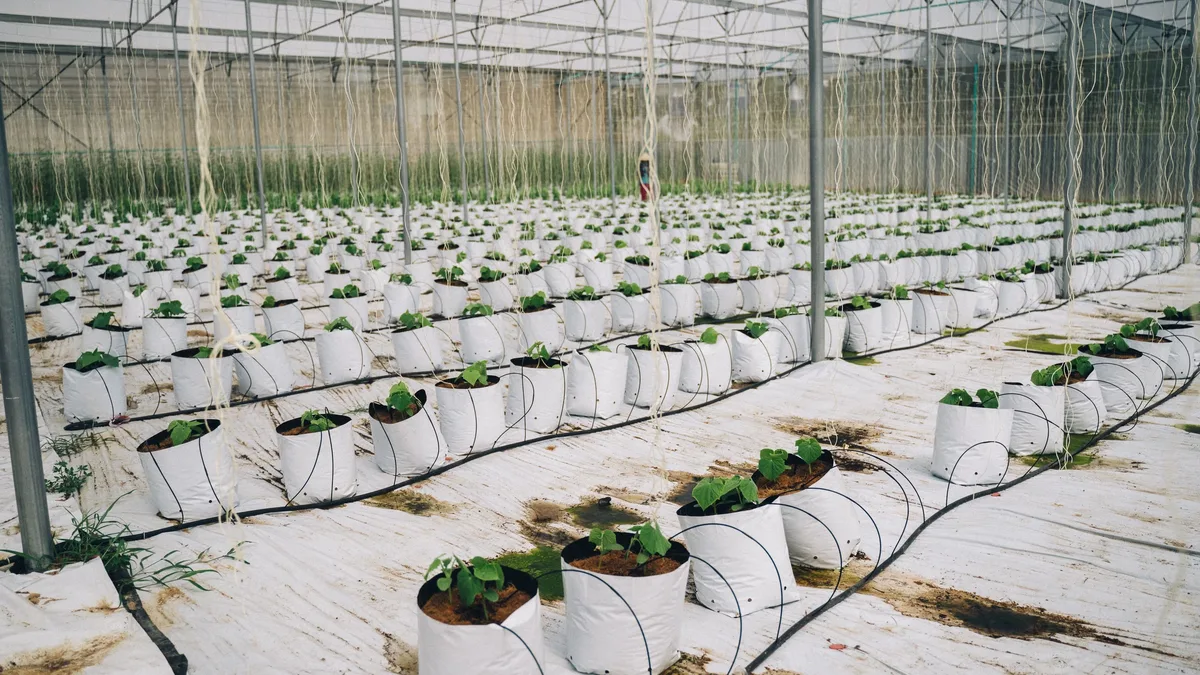
A greenhouse is a structure with walls and roof made chiefly of transparent material, such as glass or plastic, designed to create a controlled microclimate for plant cultivation. Its primary function is to trap solar radiation, raising the internal temperature and protecting plants from adverse external weather conditions like frost, wind, and excessive rain. Greenhouses allow for the extension of growing seasons, enabling the production of warm-season crops like tomatoes and peppers in cooler climates outside their natural season. They provide a shielded environment for starting seeds earlier in the spring and for overwintering tender perennial plants that would otherwise not survive. Beyond temperature control, greenhouses can be equipped with systems to manage humidity, irrigation, and ventilation, offering precise growing conditions. This controlled environment is also fundamental for research in plant science, for propagating rare species, and for producing high-value ornamental plants on a consistent schedule.
Pros and cons
A significant advantage of a greenhouse is the ability to exert considerable control over the growing environment, leading to potentially higher yields, improved crop quality, and protection from pests and diseases when managed correctly. The season extension capability can provide economic benefits for market gardeners and a longer harvest for home growers. However, the initial construction cost and ongoing expenses for heating, cooling, and ventilation systems can be substantial, making some projects financially unviable without careful planning. Common mistakes include poor ventilation design, which leads to excessive heat buildup and fungal diseases, and inadequate pest management, as the enclosed space can allow infestations of aphids or whiteflies to escalate rapidly. Many hobbyists regret choosing overly large or complex structures they cannot maintain, leading to the greenhouse becoming an unused, cluttered space. Furthermore, greenhouses require daily attention for watering and climate monitoring, and their performance is heavily dependent on location, orientation, and the quality of materials used, with cheaper plastic films degrading quickly under UV exposure.
Who it suits
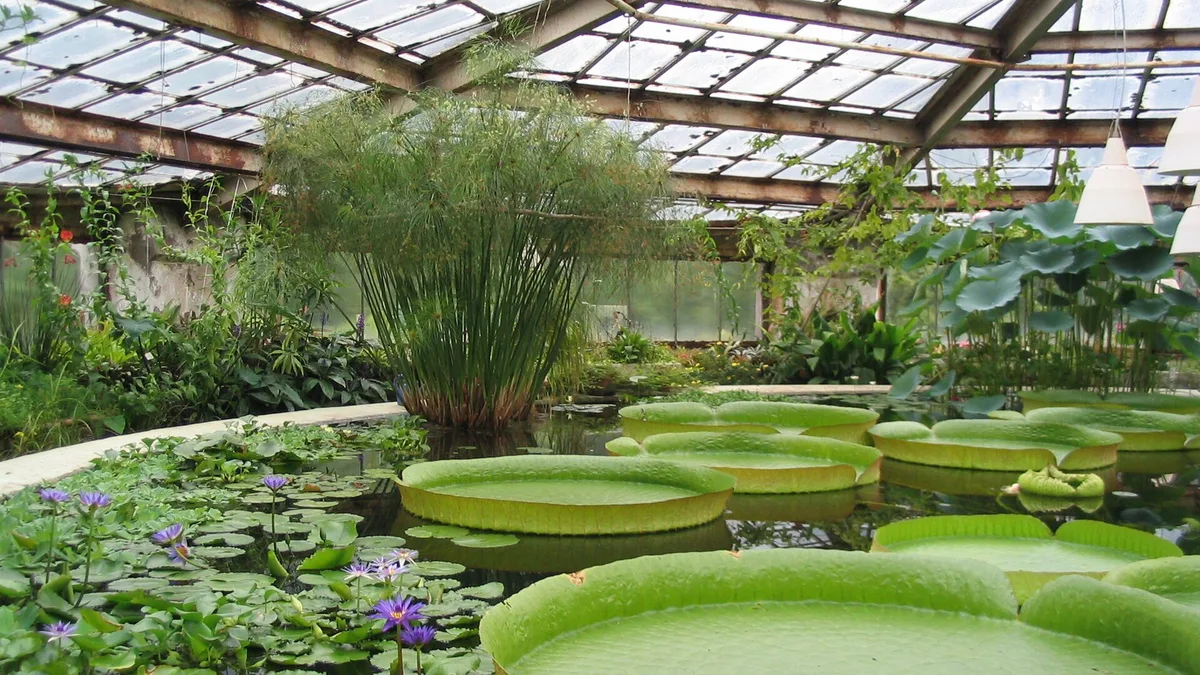
Greenhouses suit commercial growers who require reliable, year-round production of vegetables, herbs, or flowers for market, particularly those in regions with short growing seasons. They are well-suited for serious hobbyist gardeners who are dedicated to growing plants from seed, cultivating exotic species, or producing their own food extensively and are willing to commit to the daily management routine. Research institutions and botanical gardens utilize greenhouses for scientific study, conservation of plant collections, and educational displays under precise environmental parameters. They are less suitable for casual gardeners who prefer low-maintenance landscaping or those unwilling to invest the time needed for climate control and pest monitoring. Individuals living in areas with extreme weather events, such as heavy snow loads or high winds, must be prepared for the engineering challenges and potential maintenance these conditions impose. Ultimately, a greenhouse best serves those with a clear horticultural goal, the resources for proper installation, and the commitment to ongoing, attentive care.