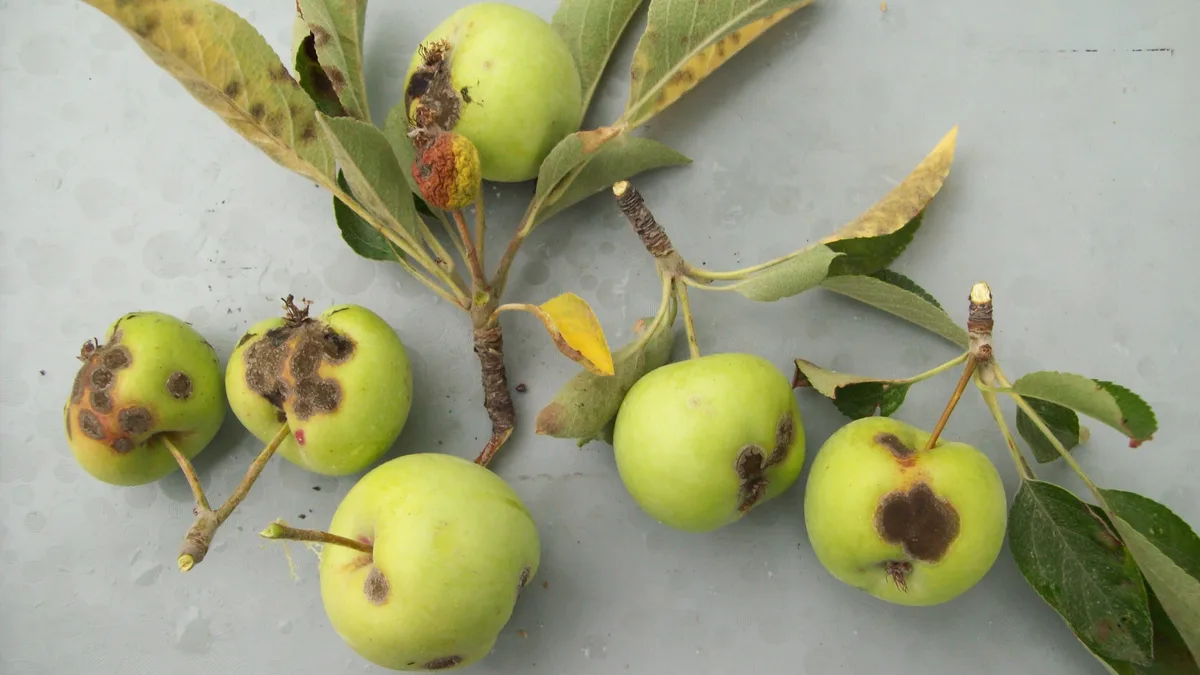
Apple Trees
Central Asia · 4th millennium BCE
Plants on Bed and Border: Perennials and herbaceous borders, Shrubs, Trees, spring, summer and autumn planting.
Central Asia · 4th millennium BCE

Buxus sempervirens · Southern Europe, Western Asia, Northern...
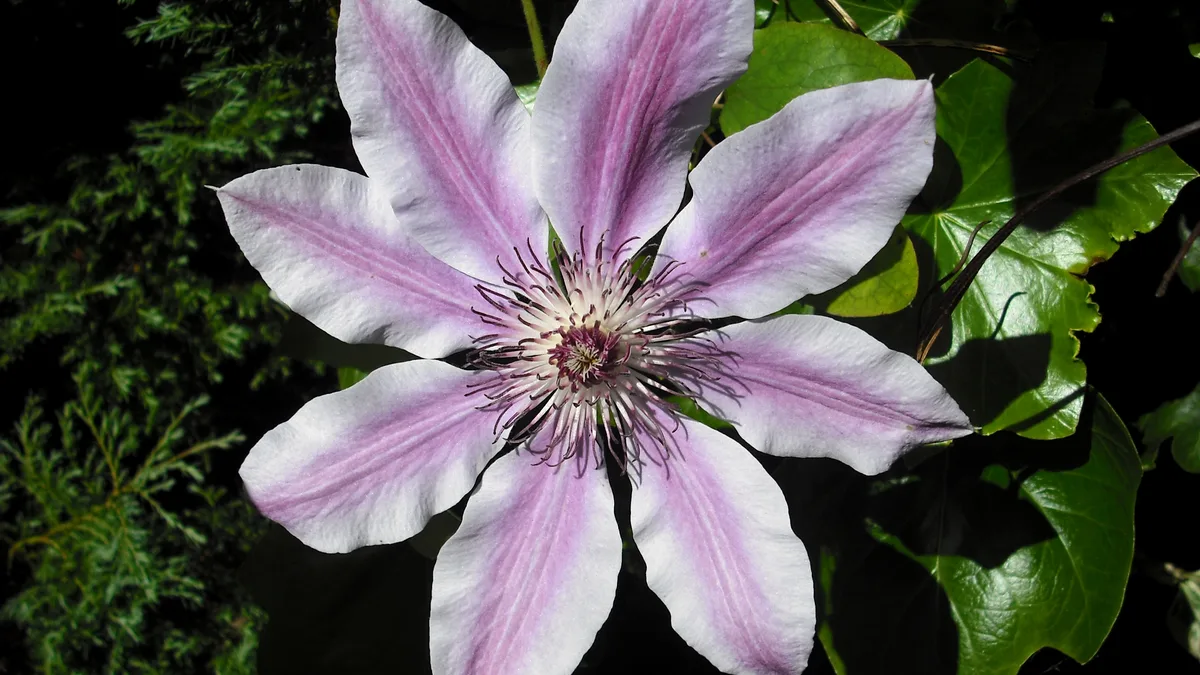
Various (genus native to many temperate... · Ancient times (cultivated for centuries)

Narcissus · Daffodil, narcissus, jonquil

Evergreen Structure And Winter Interest · Not applicable (descriptive category)
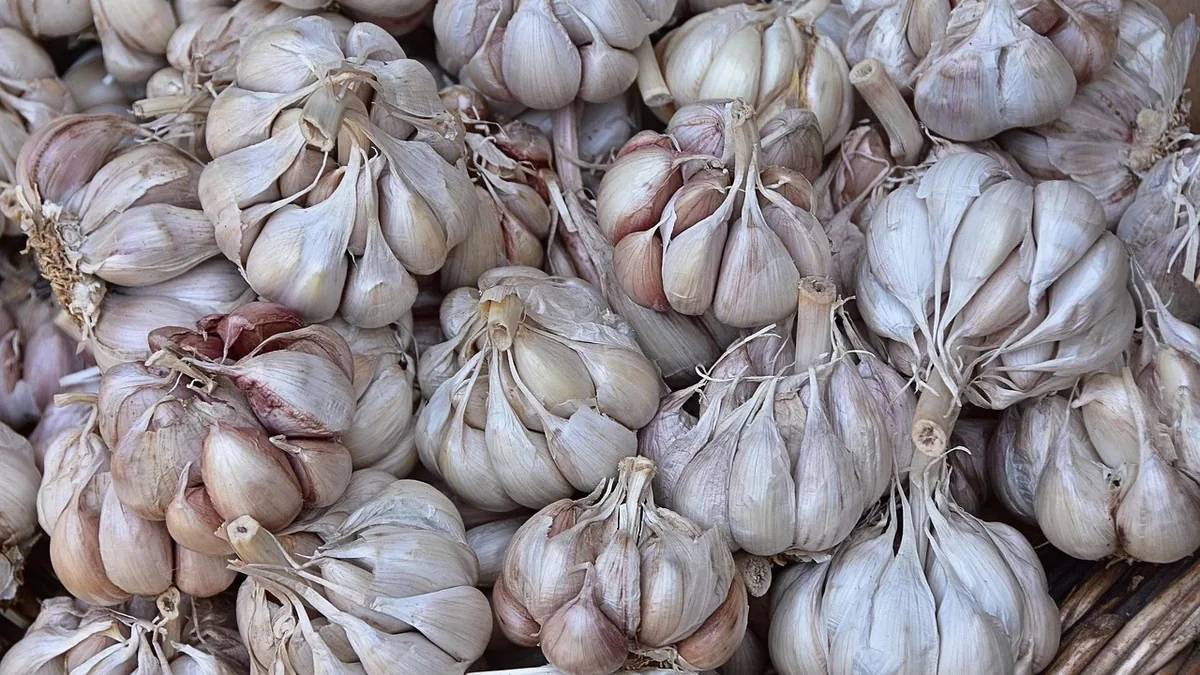
Central Asia · Ancient times (over 5000 years ago)
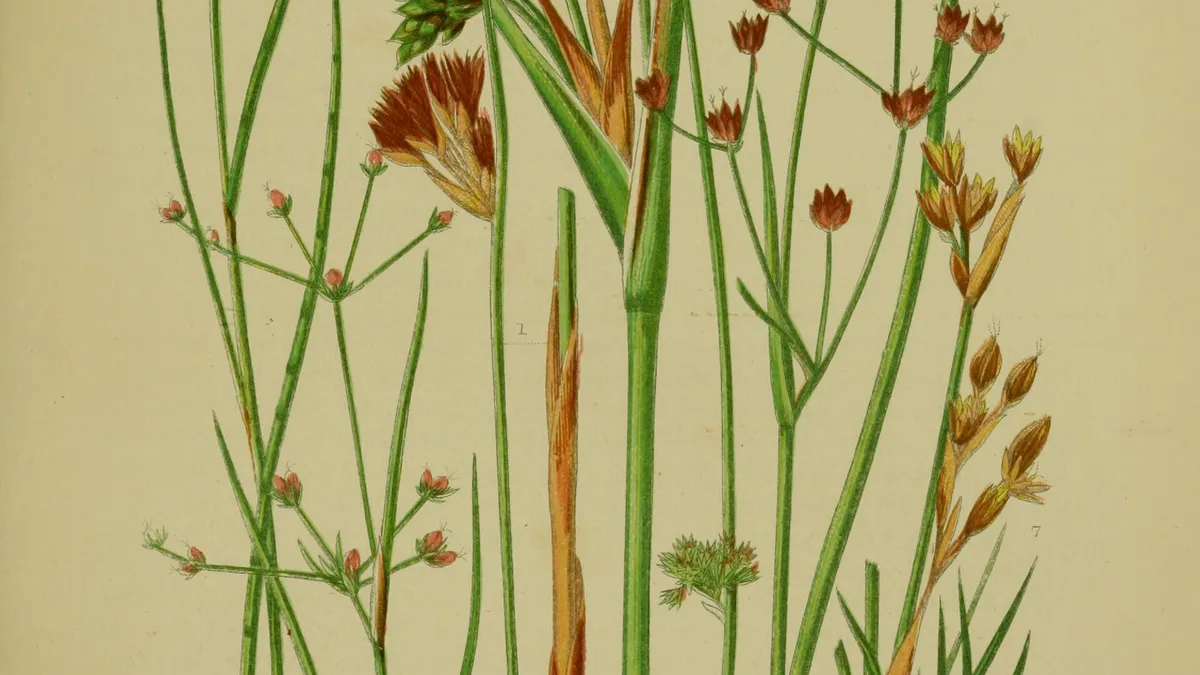
Grasses And Ferns · Pteridophytes and Poaceae
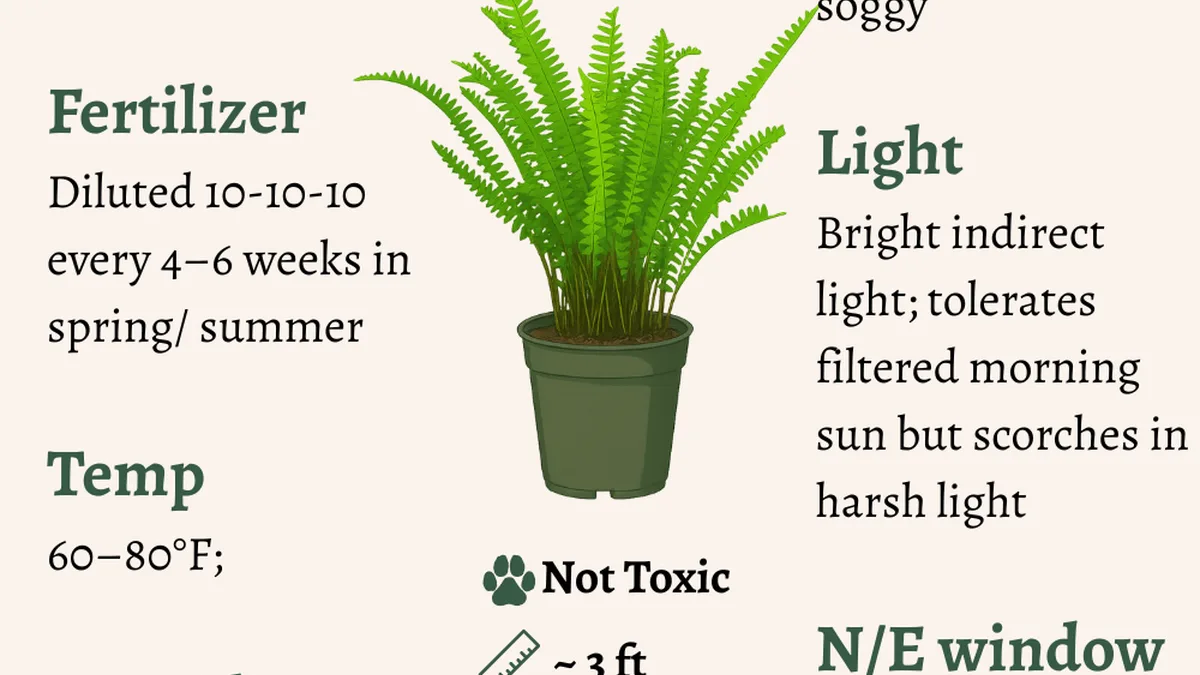
Houseplants · Perennial
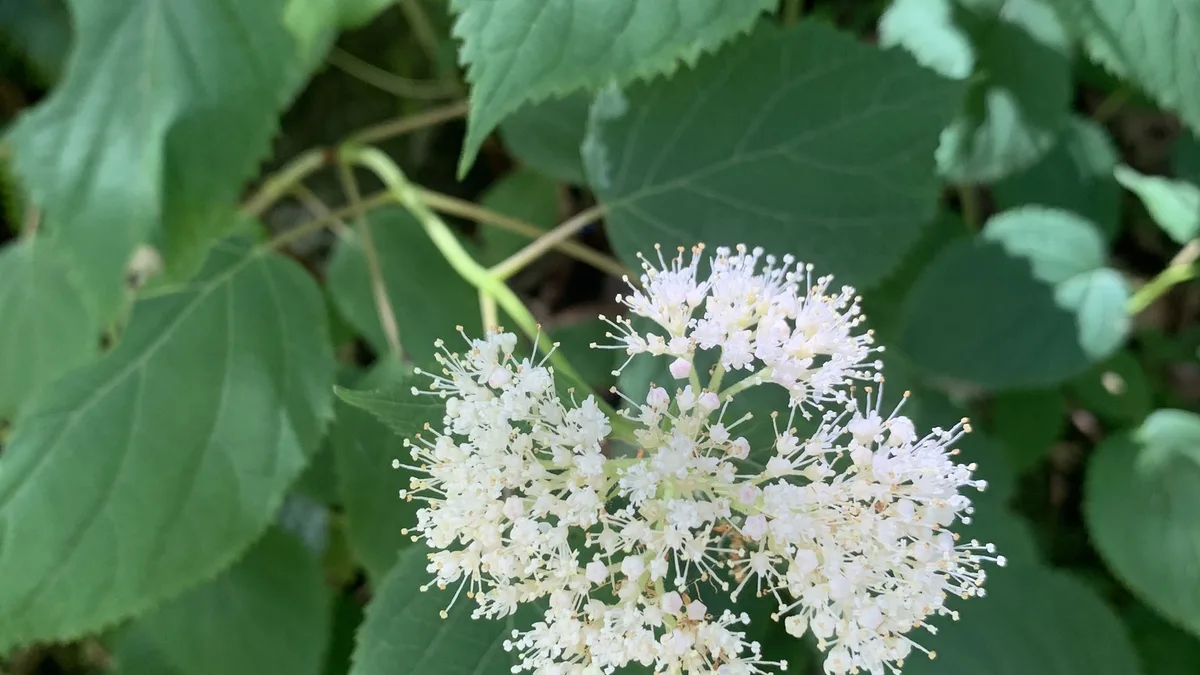
East Asia, North and South America · 18th century (introduced to Europe)
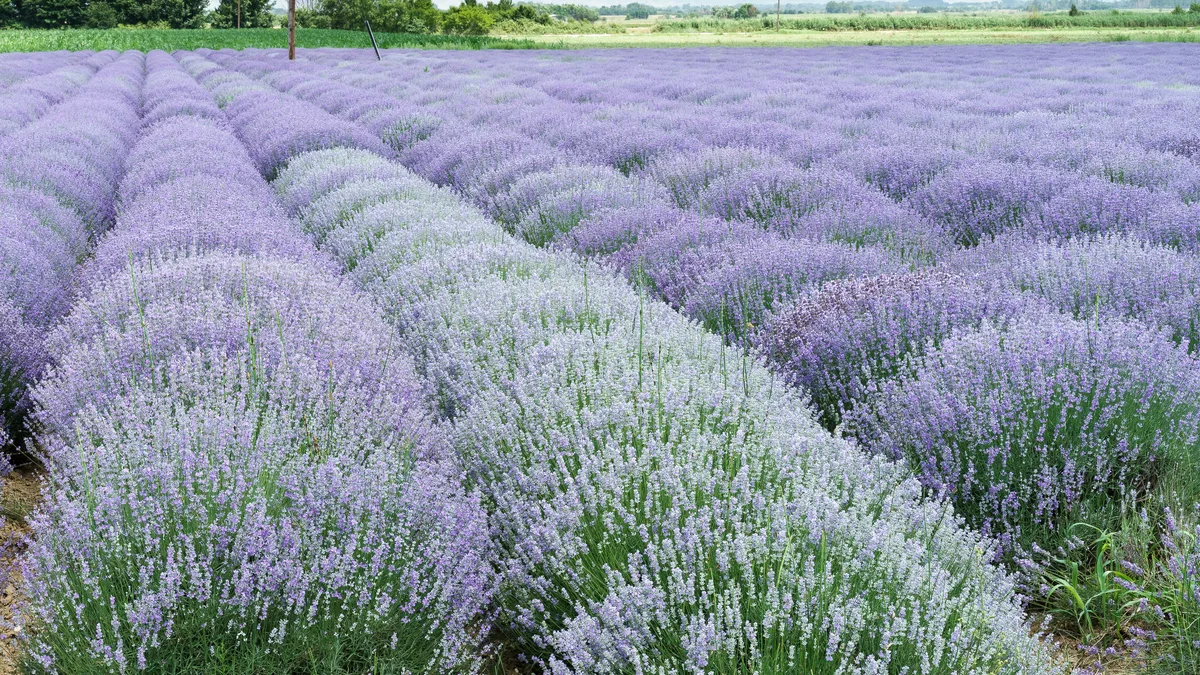
Mediterranean region · Ancient times (circa 2500 years ago)
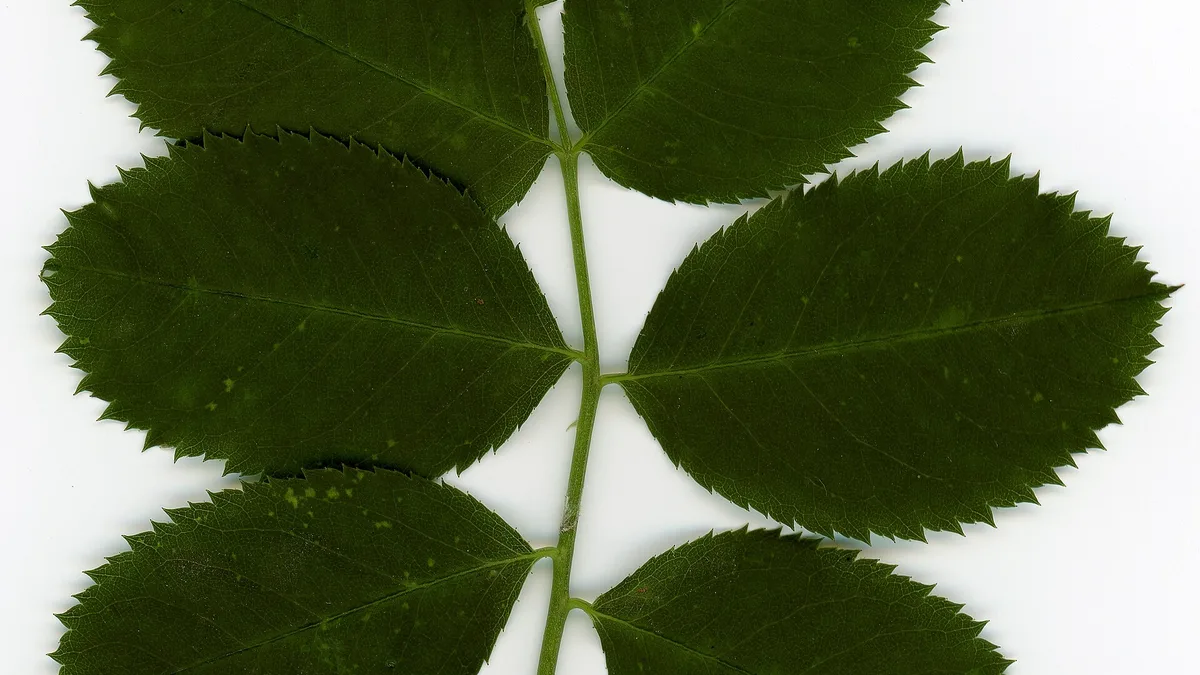
Asia, Europe, North America, and... · Cultivated since antiquity, with major...
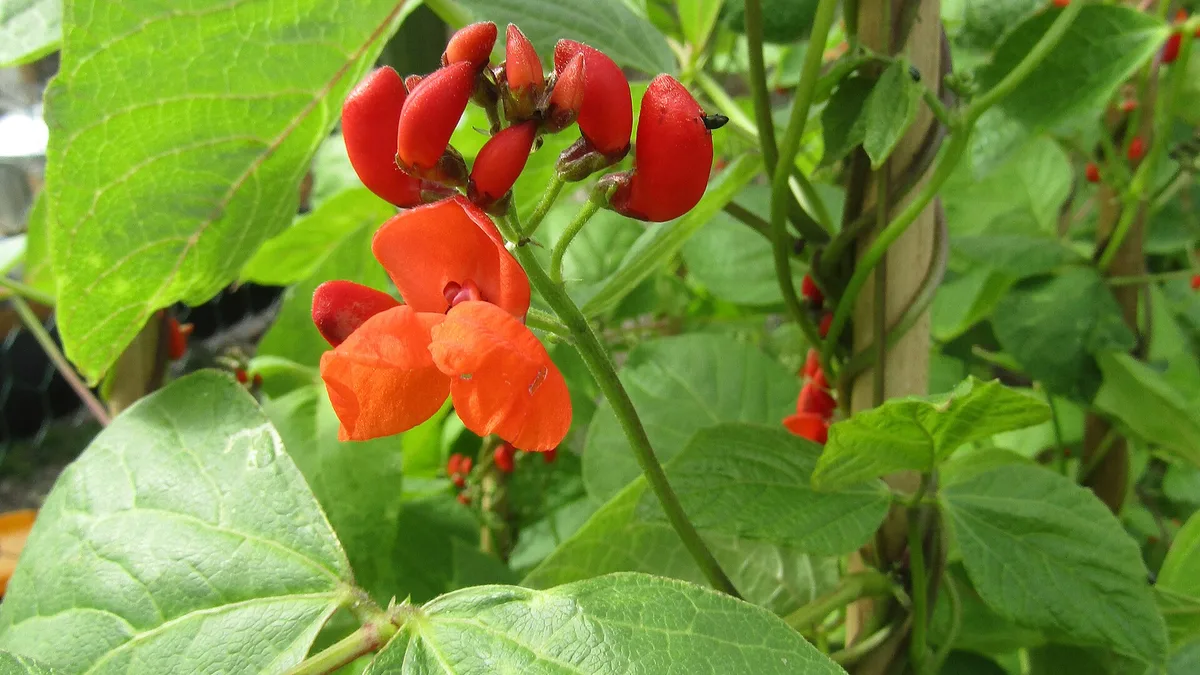
Central and South America · Pre-Columbian era (cultivated for...
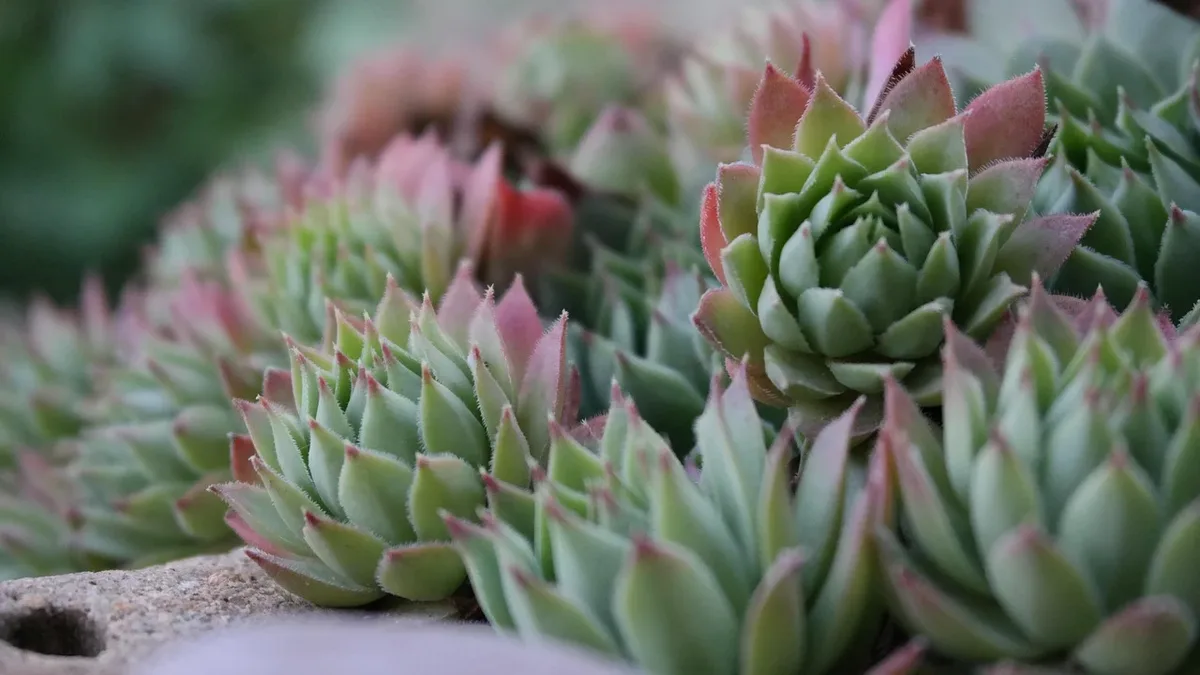
Two stories offer insights for bulb gardeners: one reveals lesser-known facts about narcissus, while the other highlights the unique autumn appeal of colchicums.
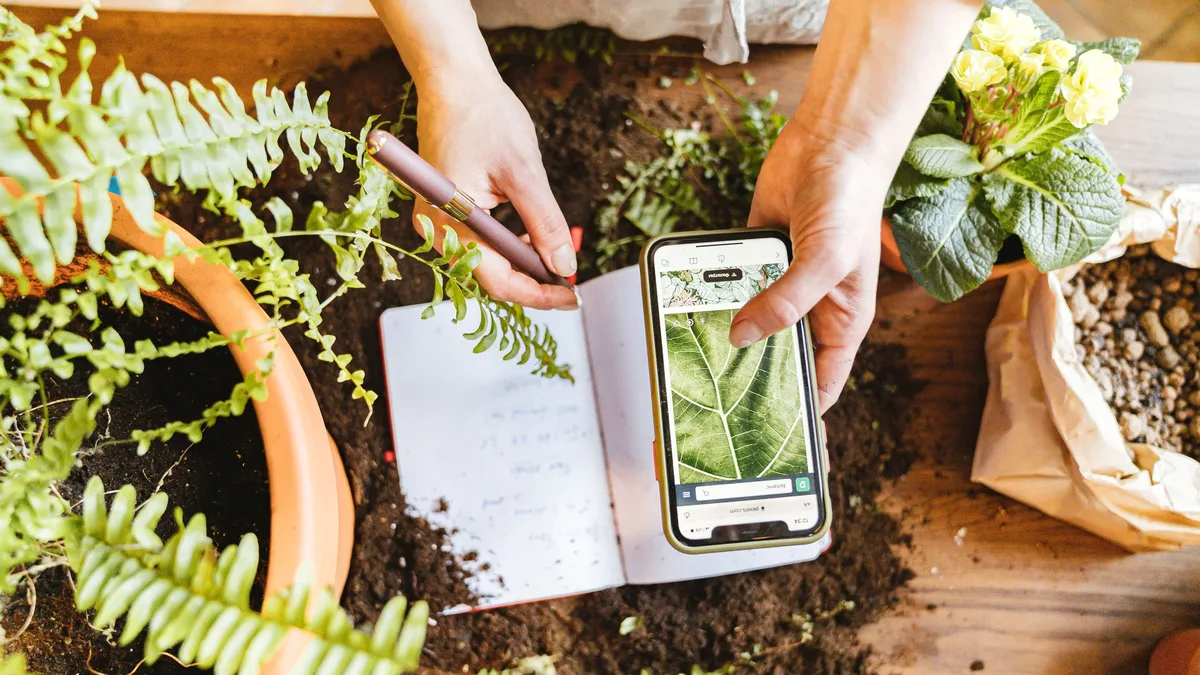
A new online tool will help UK gardeners select plants for future climate conditions, while expert advice guides the successful nurturing of seedlings from windowsill to garden.

A gardener in Minnesota shares a photographic tour of her late summer and fall blooms, while experts explain the surprising reason snails sometimes eat paper mail.
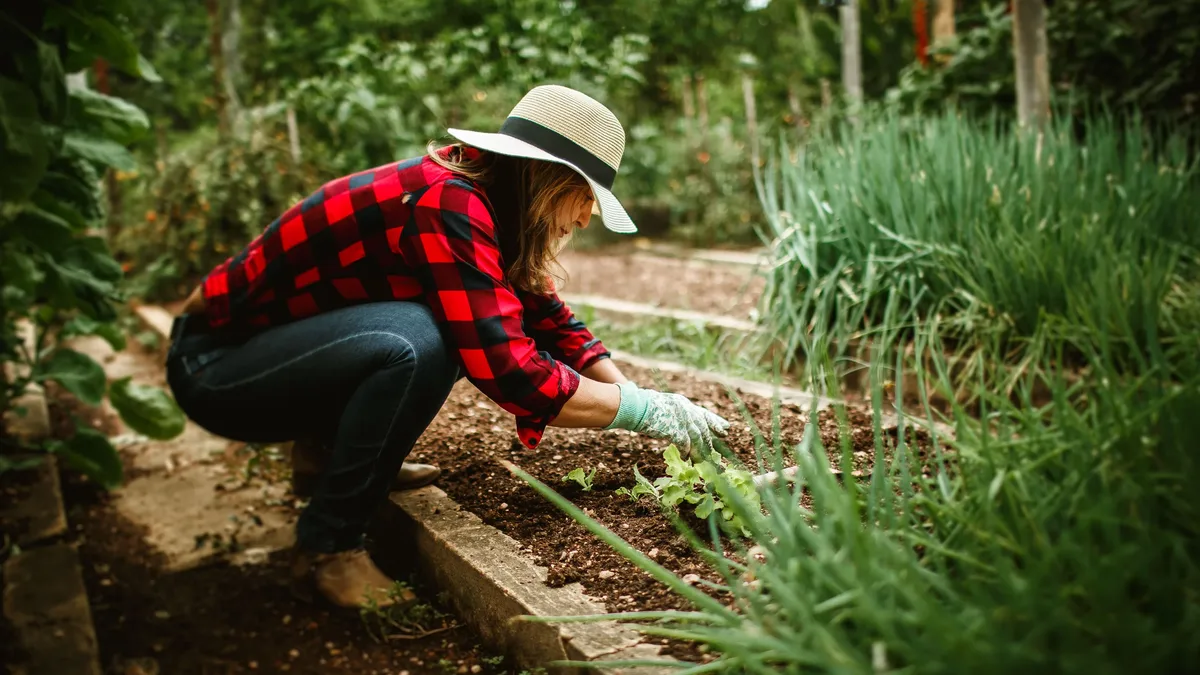
As autumn arrives, jade plants require a shift in care, with increased direct sunlight, significantly reduced watering, and a halt to fertilizing to prepare for winter dormancy and prevent common issues like rot and leggy growth.
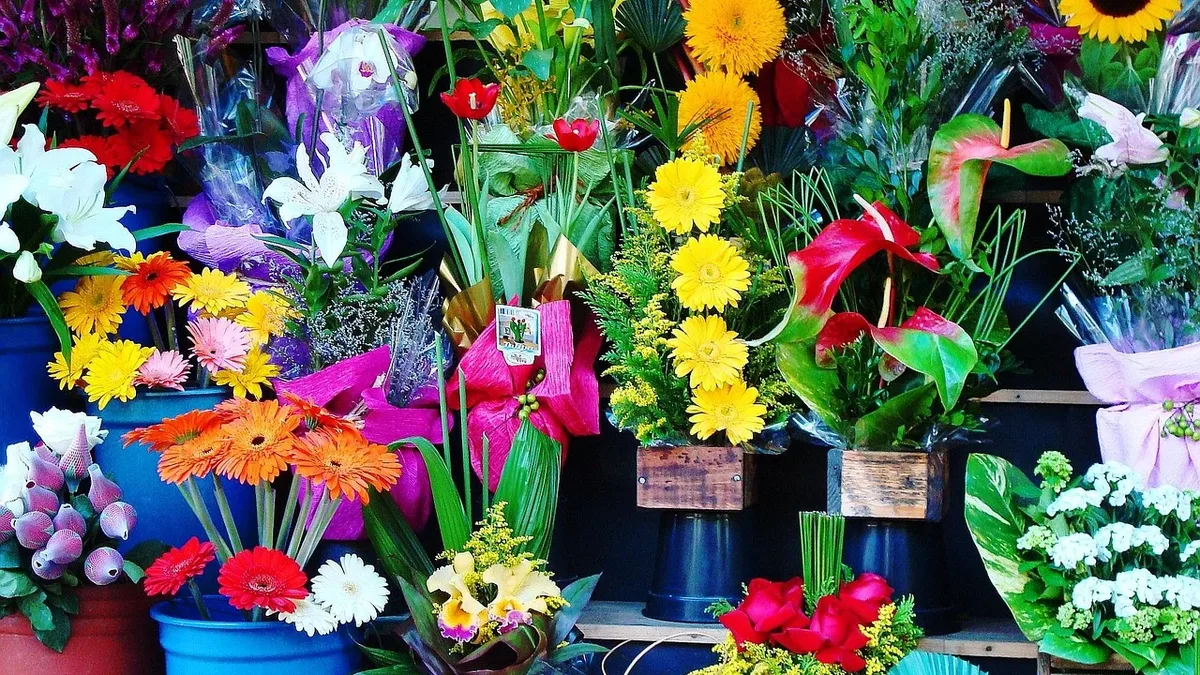
Garden designers Ellen Goldfarb and Tracy Buttrick share four autumn container designs for New Jersey landscapes, highlighting plant combinations that withstand chilly nights and light frost to maintain vibrant seasonal displays.
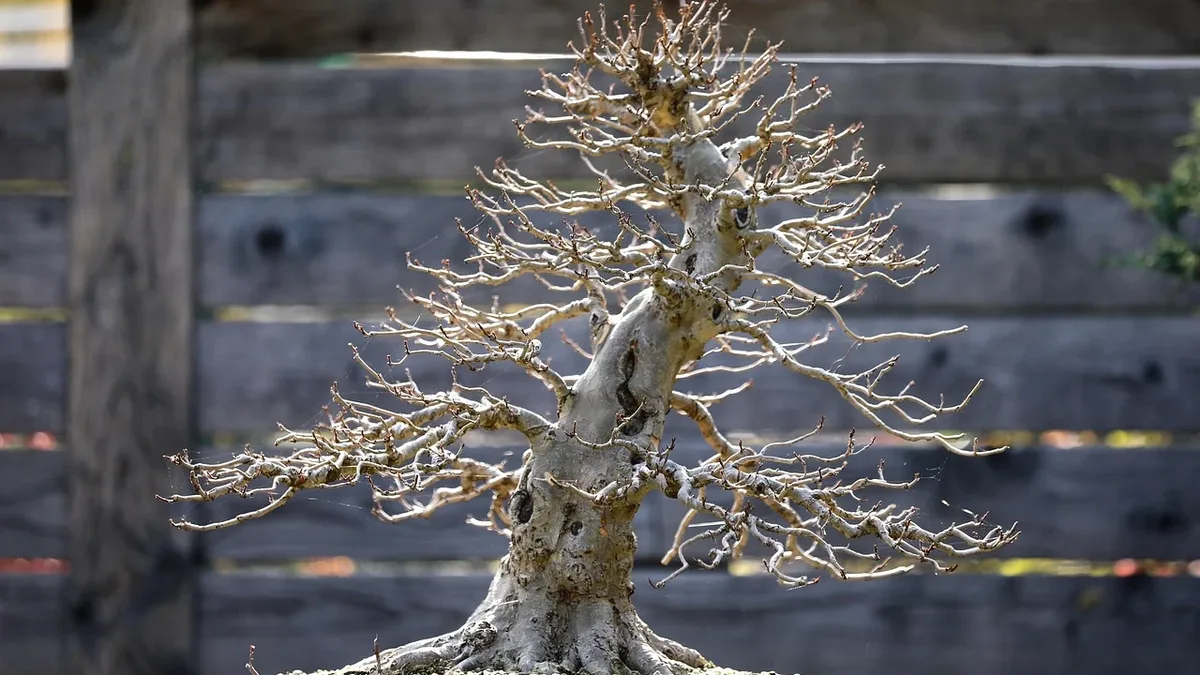
Planting hedges, roses, and trees as bare-root stock during the dormant season offers major savings, often at less than half the price of potted equivalents, while being more eco-friendly.
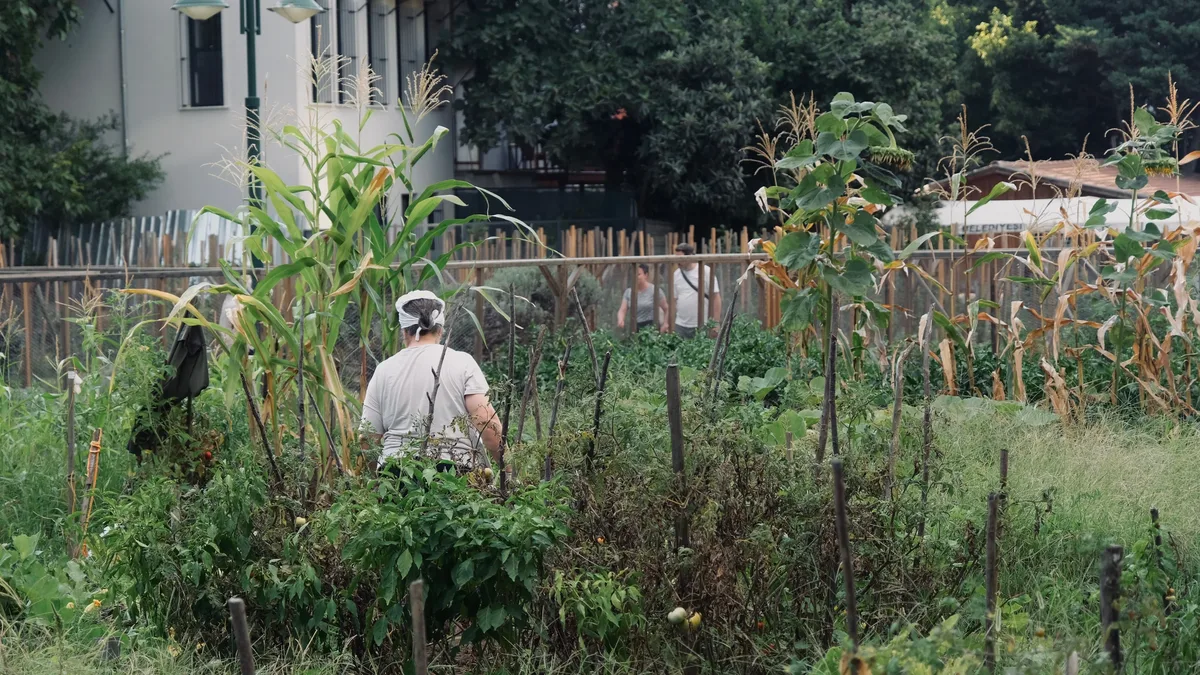
In Broomall, Pennsylvania, Dot is planting perennials and bulbs in her Zone 7b garden as summer ends. Her documented plant pairings provide sustained color and pollinator support into the cooler months.
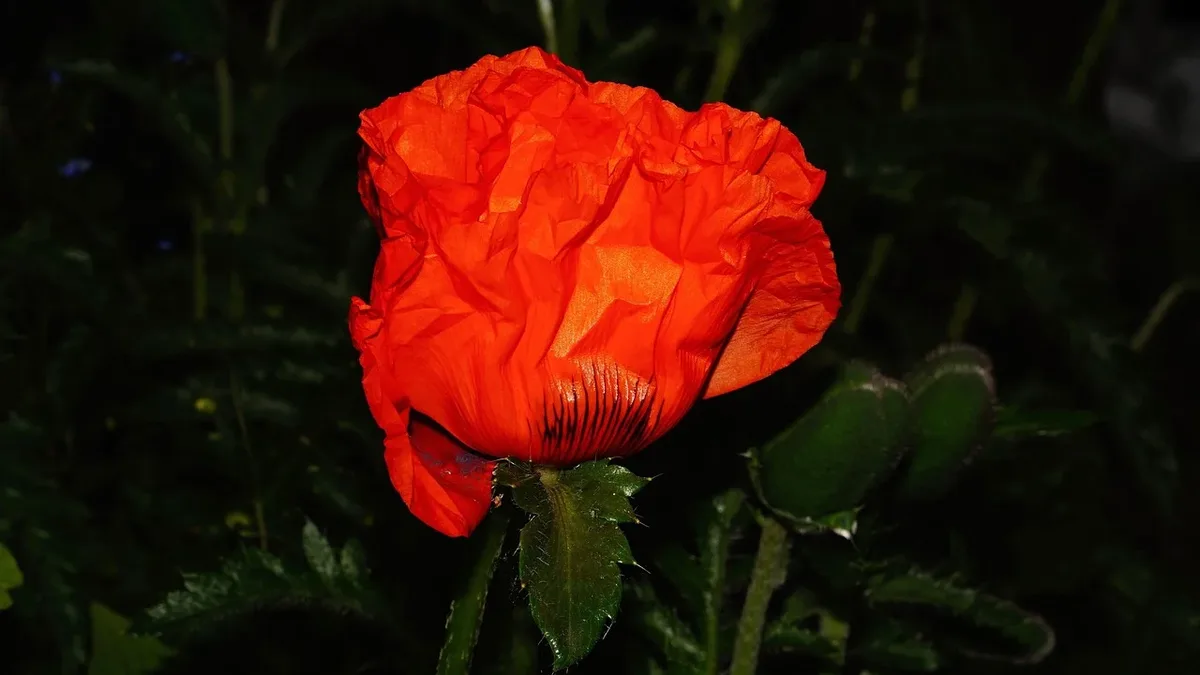
Sowing hardy annual and perennial seeds in autumn leads to earlier, stronger spring blooms with minimal effort, use natural cold stratification.

NOAA forecasts a very strong El Niño this winter with over 90% odds, bringing wetter-than-normal conditions to the southern and central U.S.
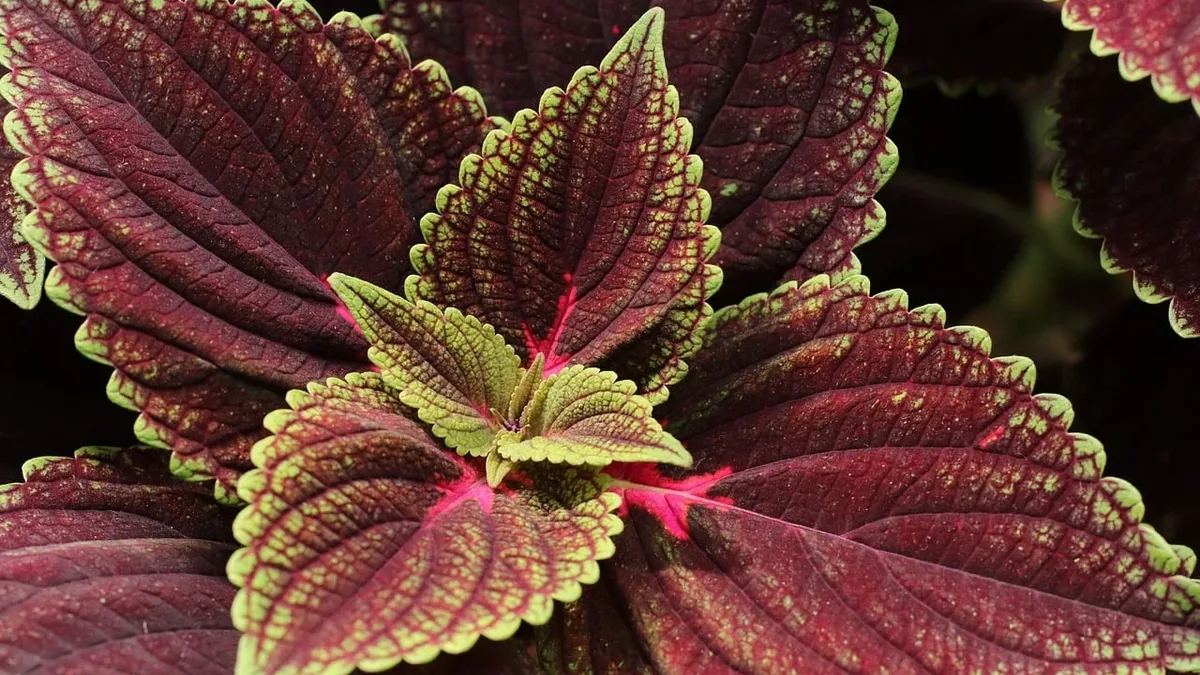
Gardeners can preserve their colorful coleus through winter by bringing plants indoors before temperatures drop below 50°F.

A 10-minute fall treatment with a lawn aerator in October boosts grass root growth for a lusher lawn next year, especially after a baking-hot El Nino summer.
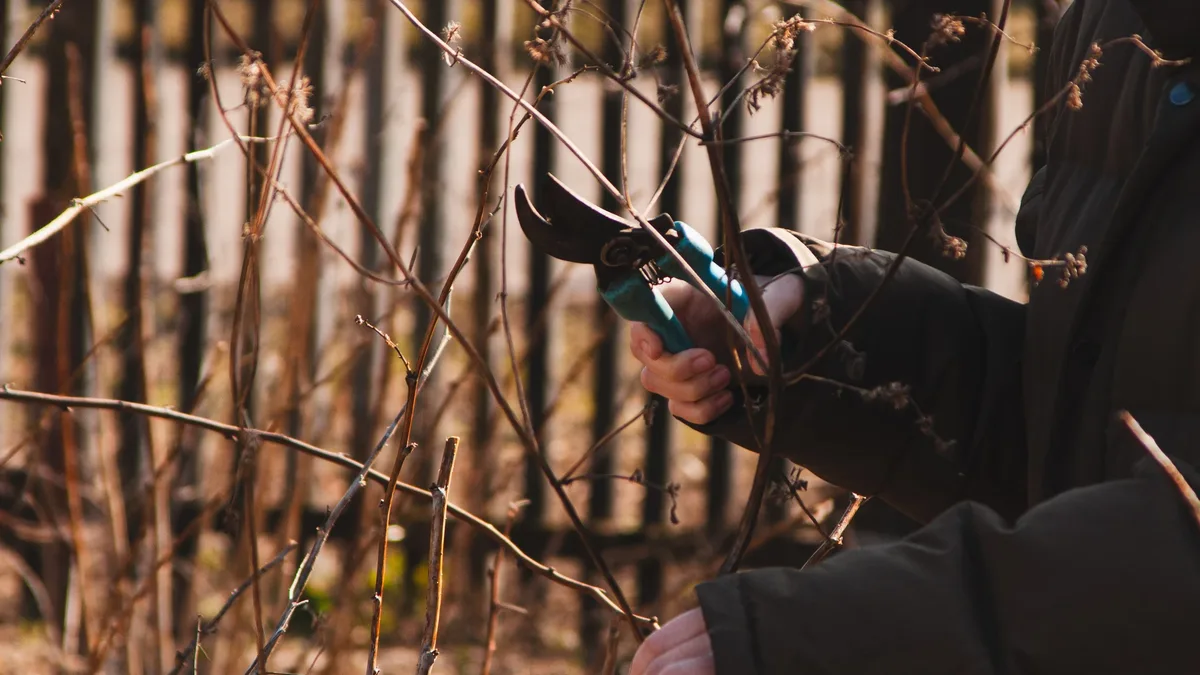
Pruning certain shrubs in autumn removes next year's flower buds and stimulates tender growth vulnerable to winter damage.
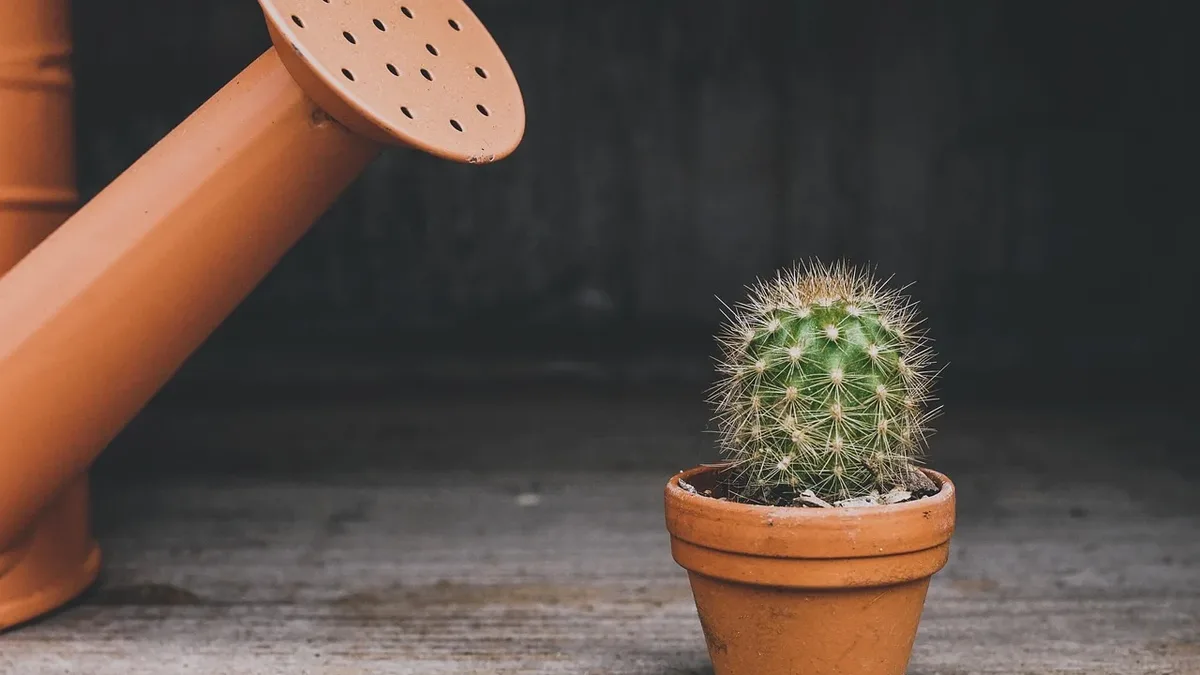
Terracotta pots wick moisture and retain heat, creating dry, alkaline conditions that suit some plants but harm others.
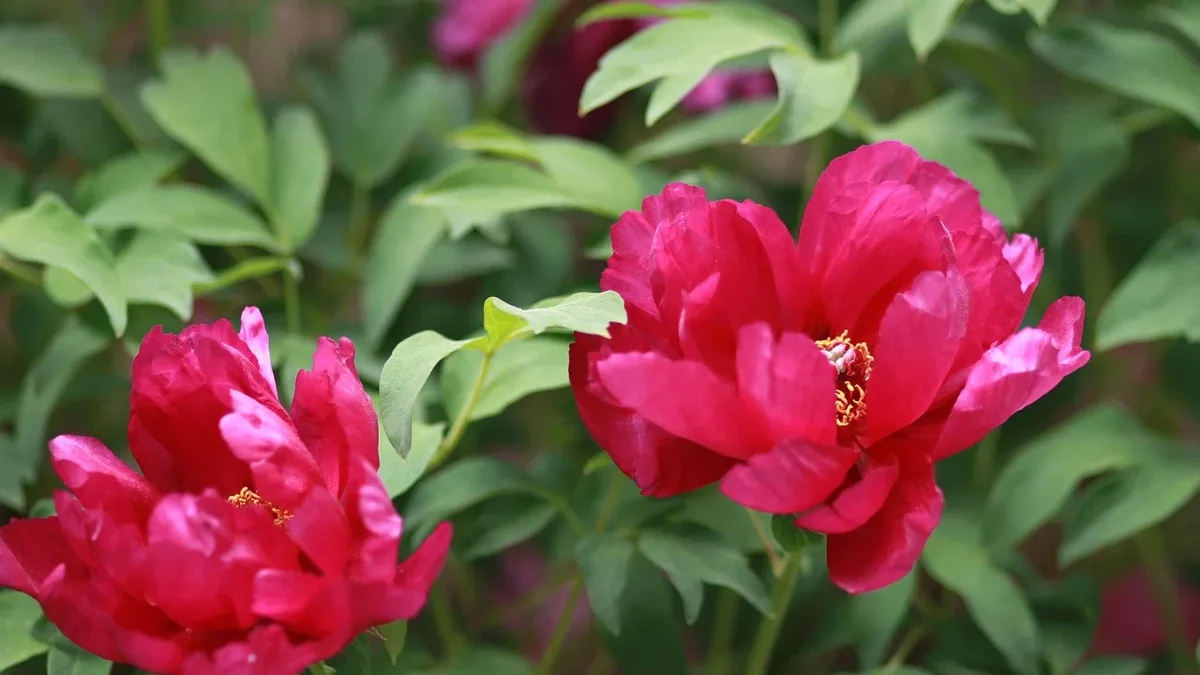
Lengthening autumn nights trigger spider plants to produce flowers and plantlets.
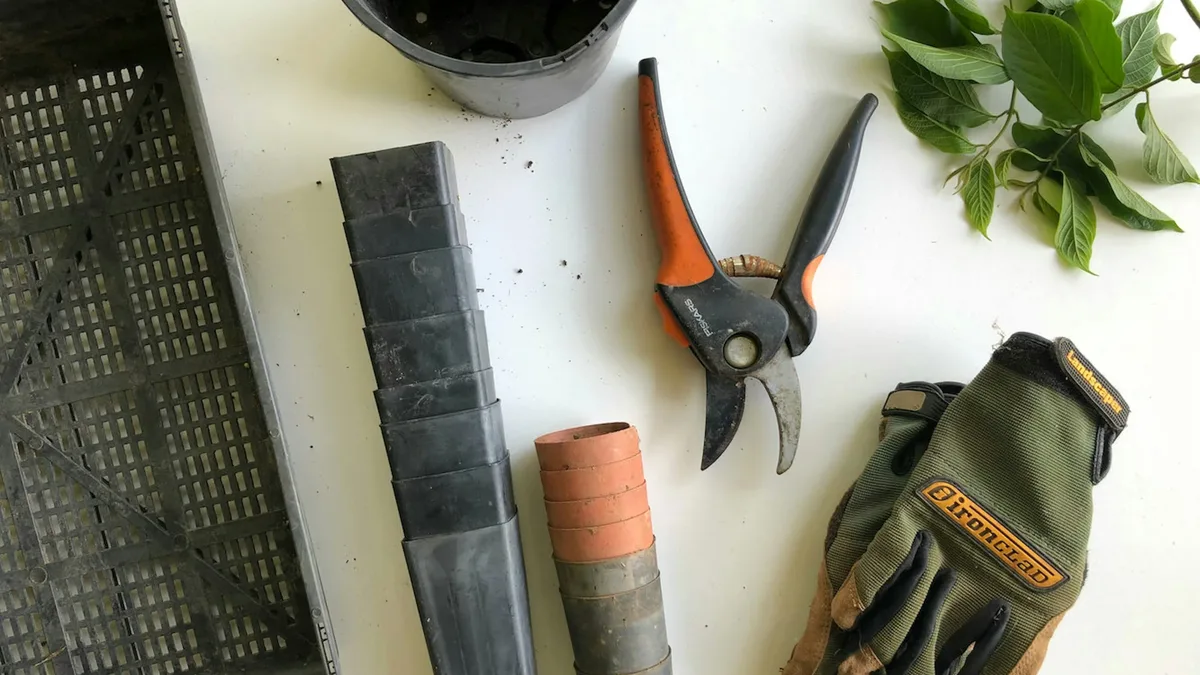
A former garden center manager reveals the seasonal timing for securing the deepest discounts on plants and tools.
Integrating edible greens and herbs like rainbow chard and ornamental kale into fall borders provides dual-purpose beauty and function for space-conscious gardeners.
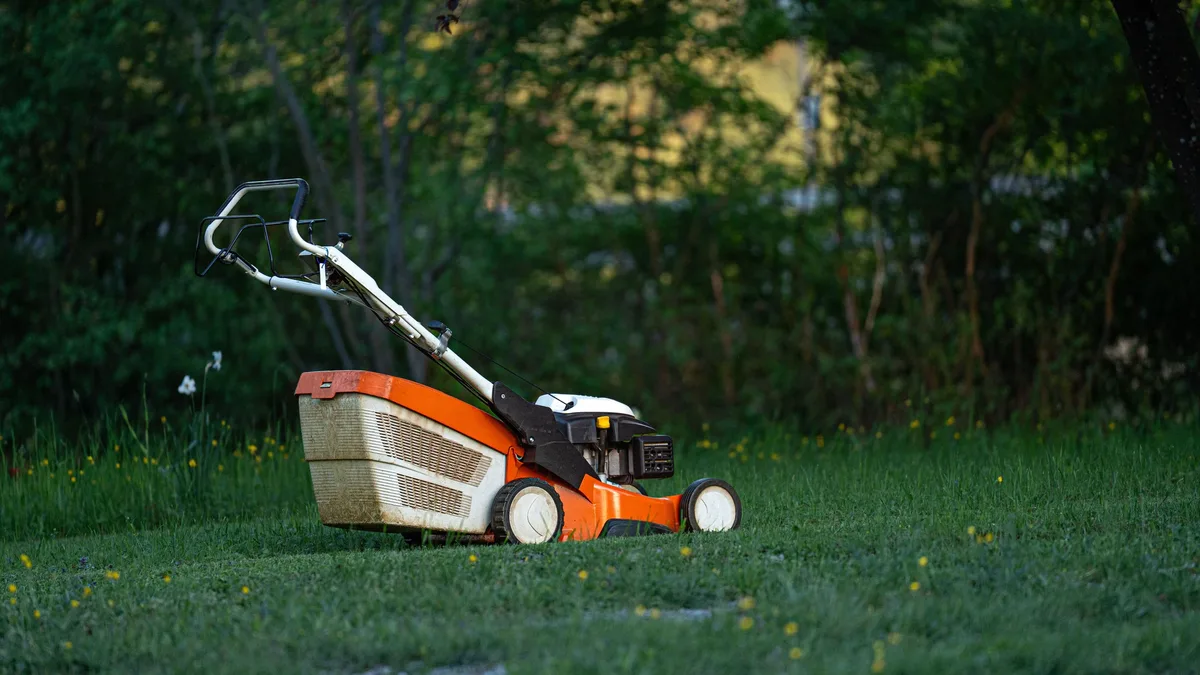
Gardeners must check lawns for chafer grub infestations this September. The pests have surged after a hot, dry summer and can cause permanent damage if not treated before mid-October.
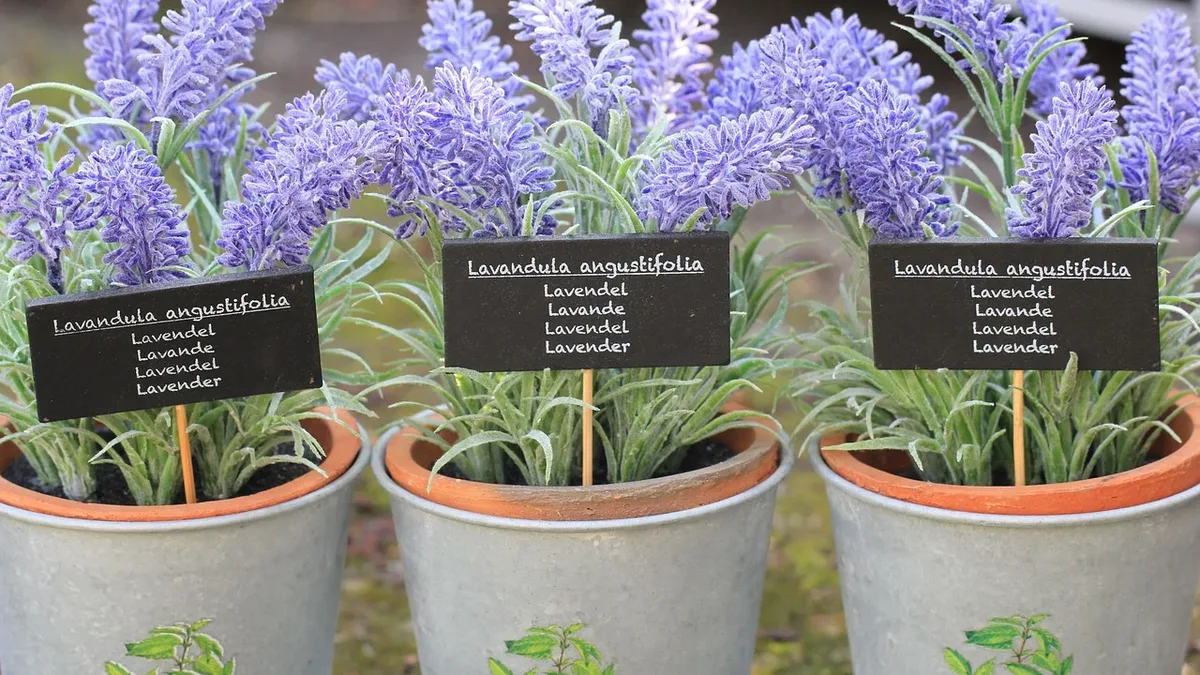
Gardening Know How recommends three resilient houseplants-snake plants, ZZ plants, and spider plants-that tolerate irregular care and low light.
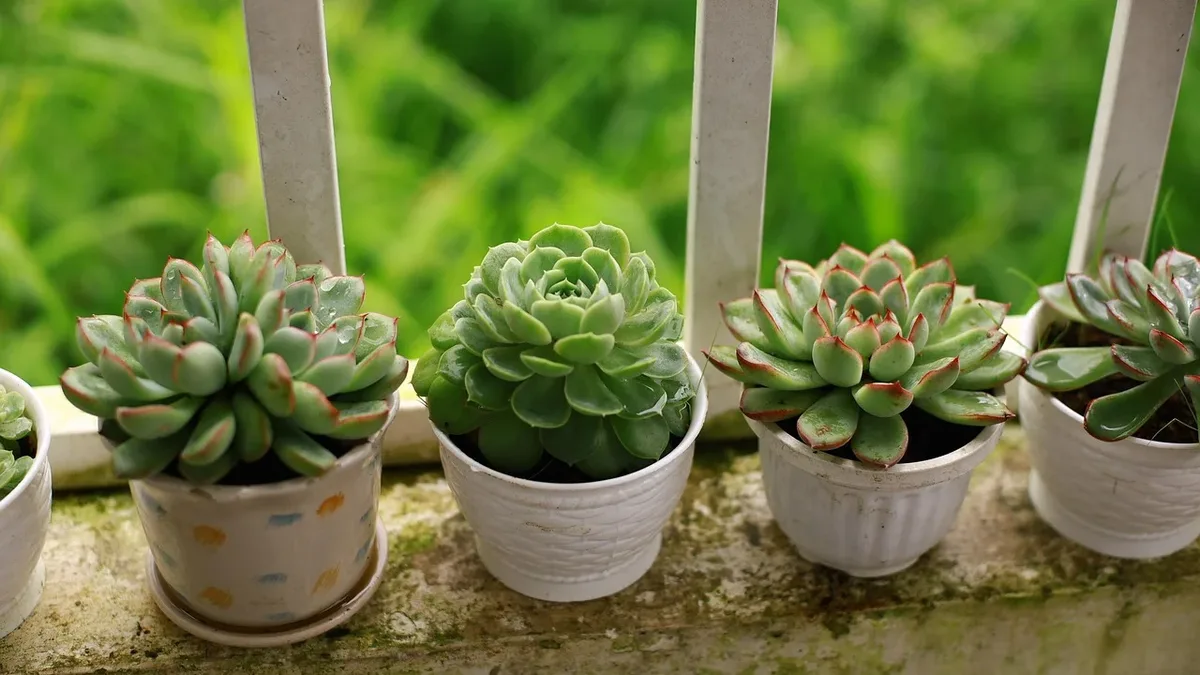
Horticulturist Joann Vieira recommends four standout plants, including Japanese spicebush and 'Gold Bullion' hellebore, for Northeast gardens.
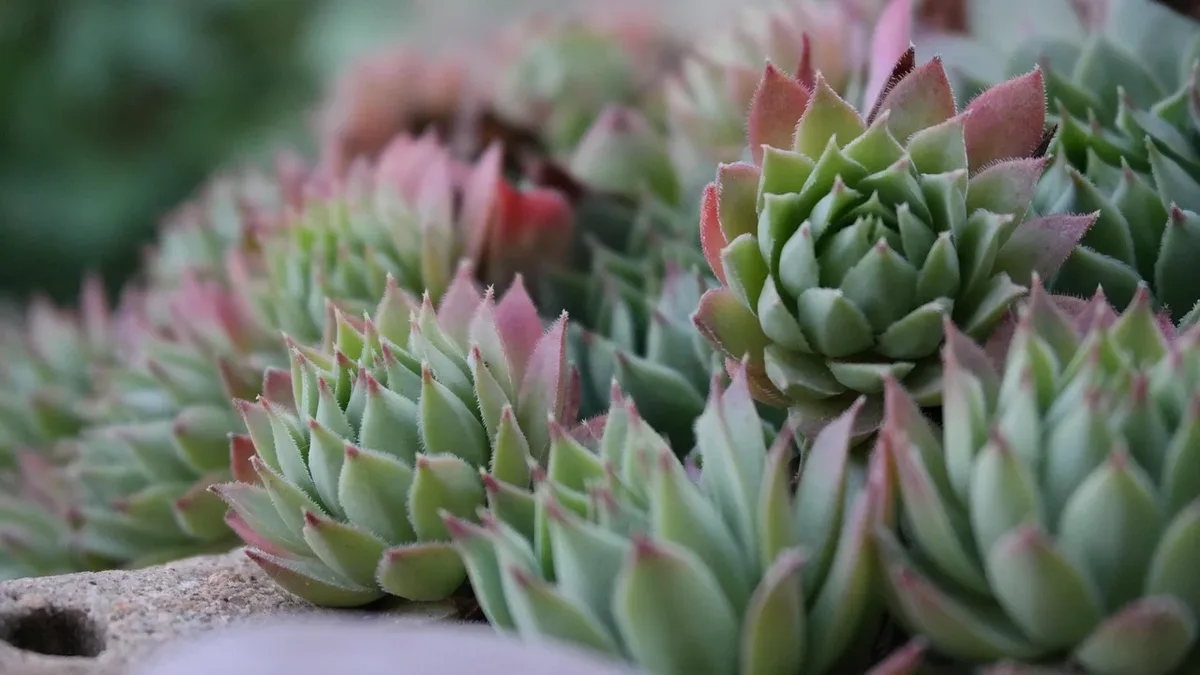
Austin-based gardening author Pam Penick recommends four resilient, water-wise plants suited for the Southwest's challenging climate.

Gardening Know How advises dividing six specific perennials in early fall, while warning against disturbing three others until spring.
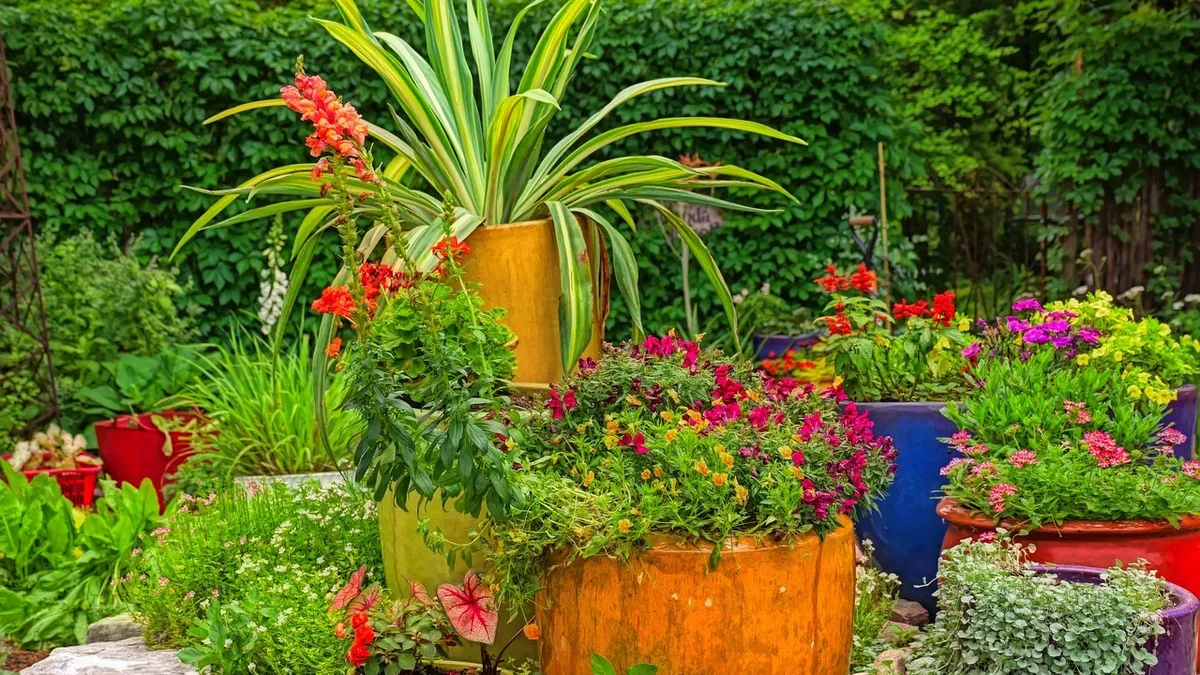
A gardener in St. Louis, Missouri, has transformed a new patio into a dense, colorful space filled with perennials and annual containers.
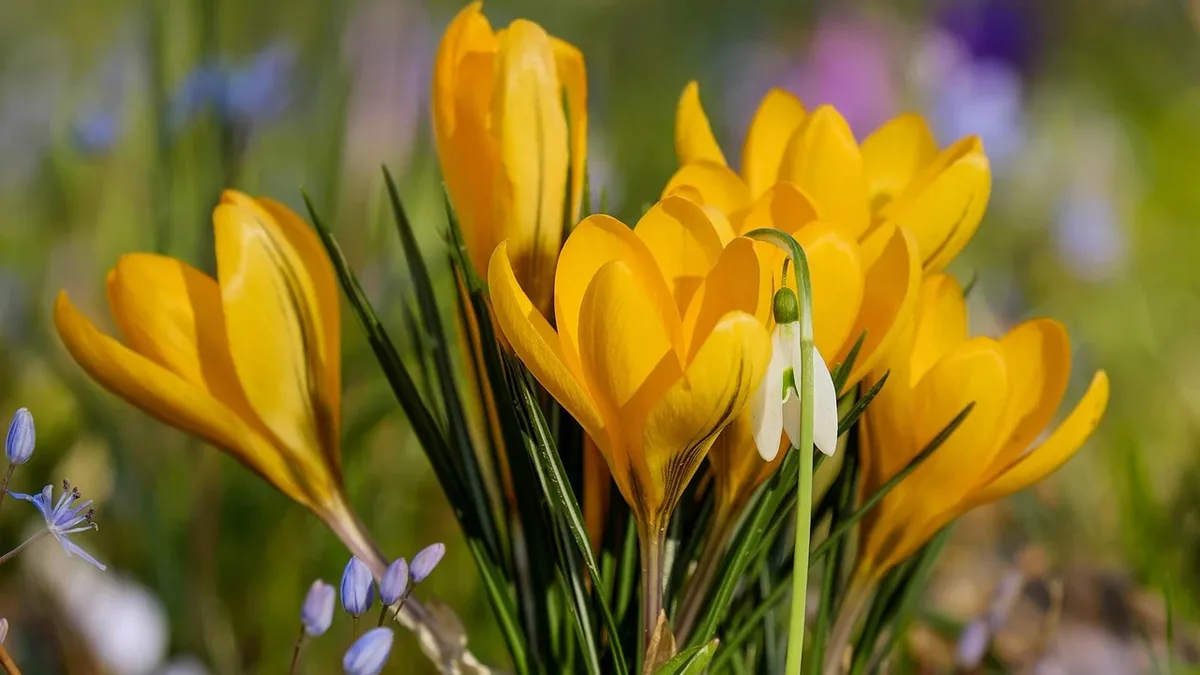
September is the ideal time to plant winter and spring-flowering bulbs like snowdrops and crocuses for colour from late autumn.
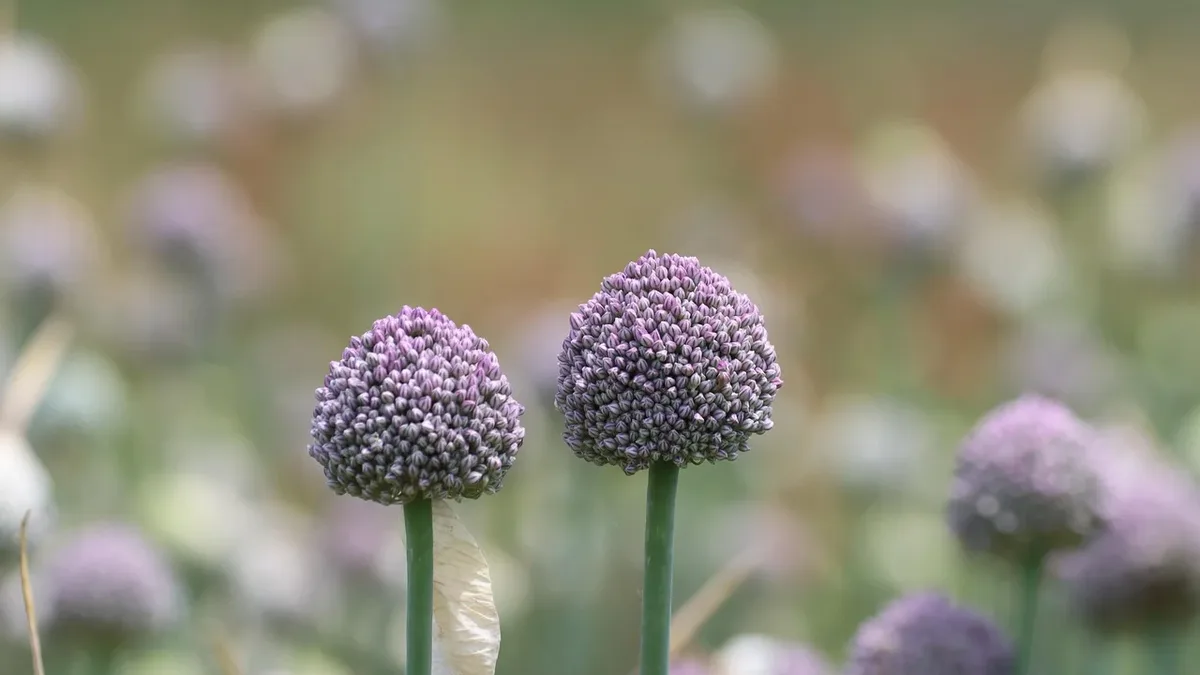
Gardening Know How recommends seven lesser-known spring-flowering bulbs to plant in September.
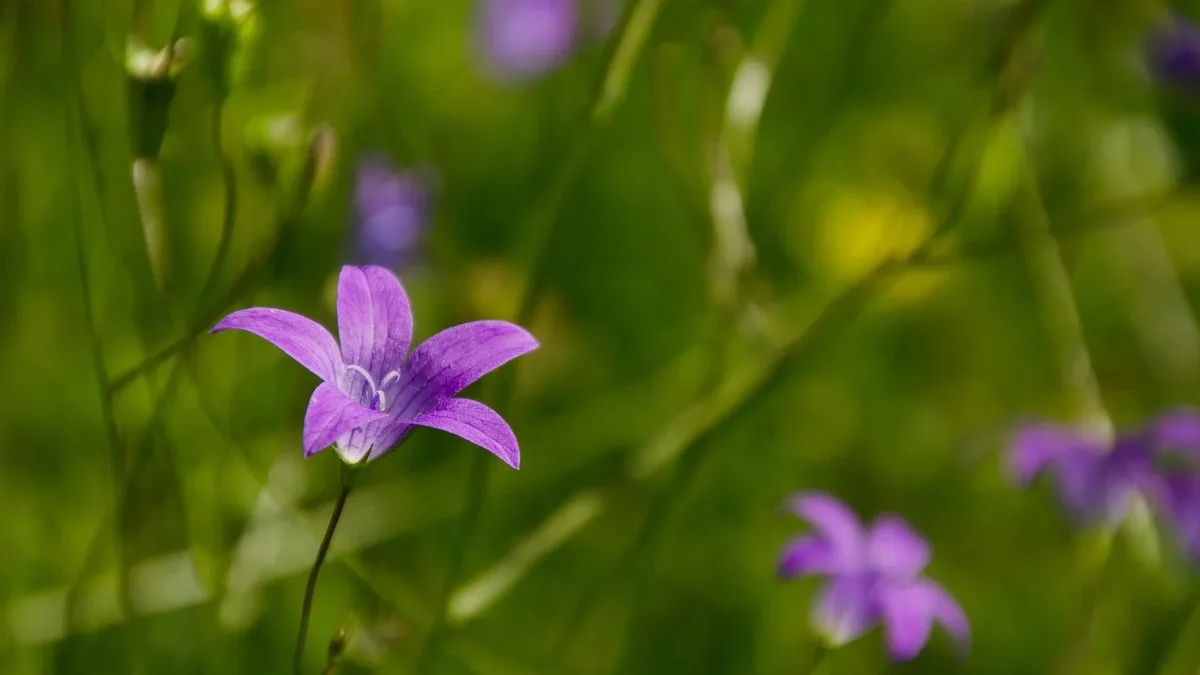
Gardening Know How recommends five low-maintenance, drought-tolerant prairie perennials and grasses that provide vibrant color and pollinator support.
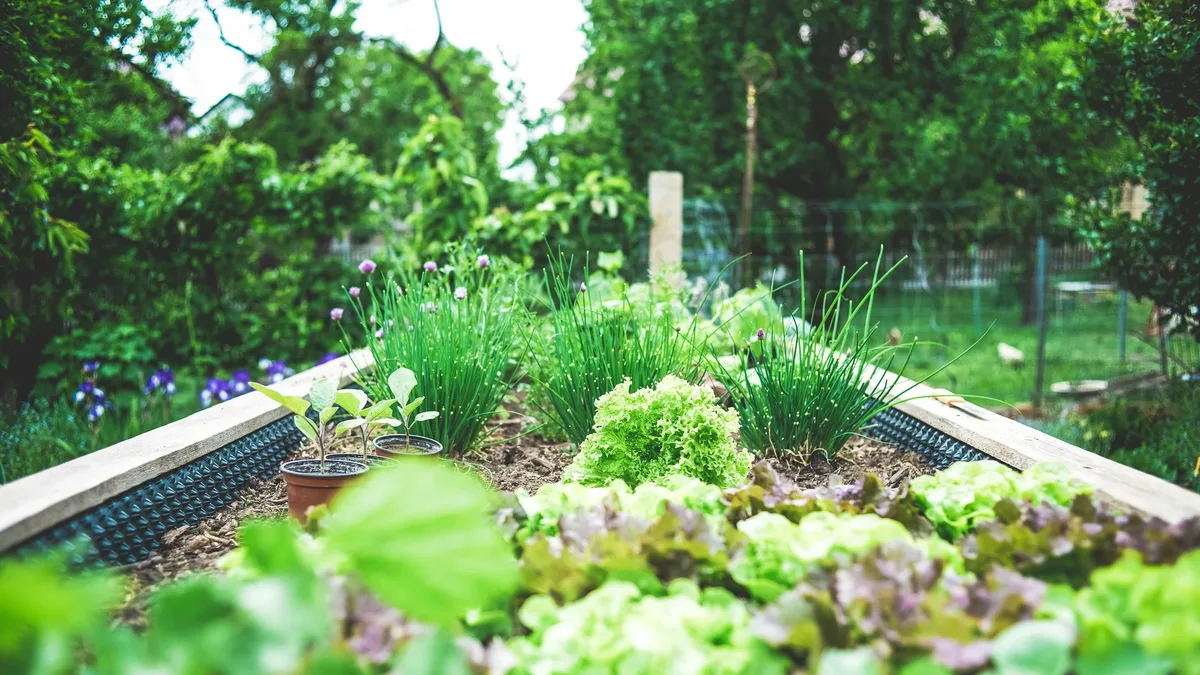
Gardeners' World recommends 37 trees, shrubs, and climbers to quickly create privacy screens, blocking views from neighbours and unsightly areas.
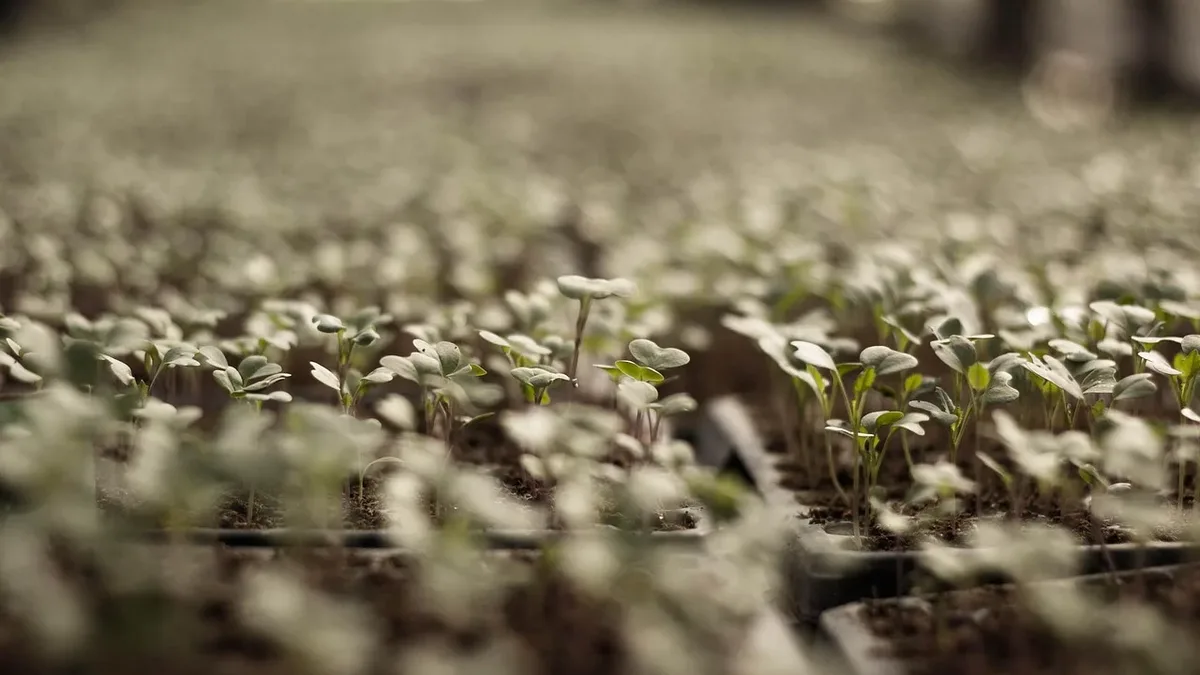
Gardening Know How recommends six fast-growing cover crops to plant in September, detailing their benefits for soil enrichment and weed suppression.
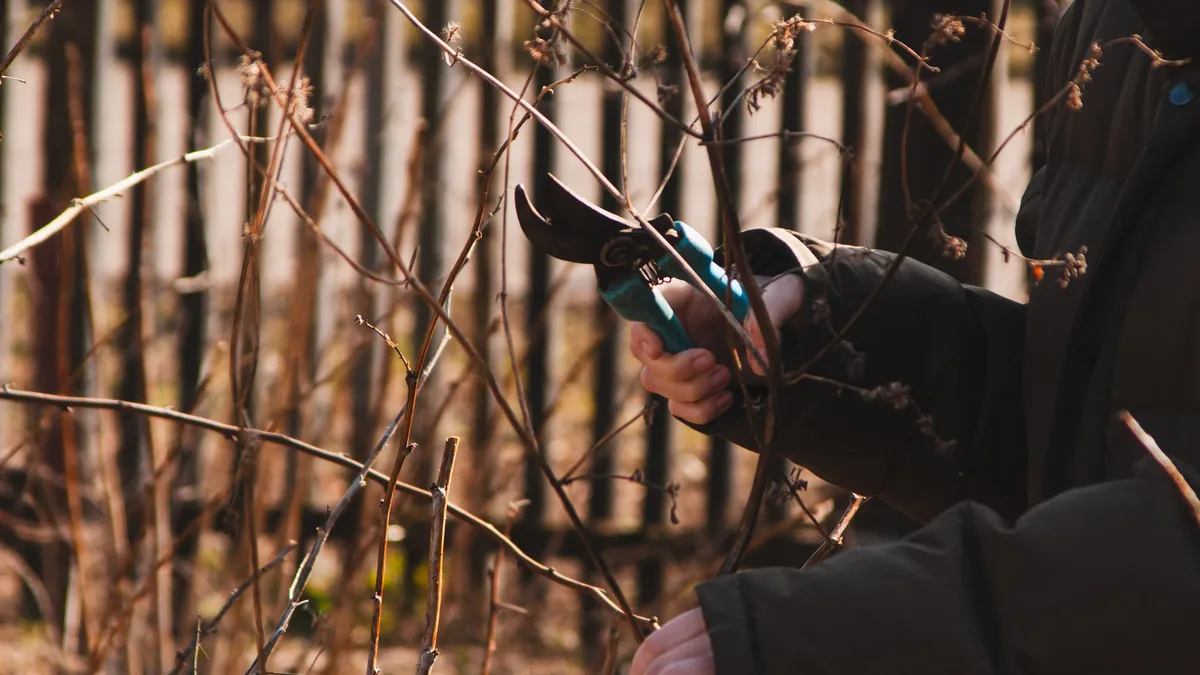
A gardening expert recommends the 'September stagger,' a selective pruning technique for fall perennials to extend blooms and prevent flopping.
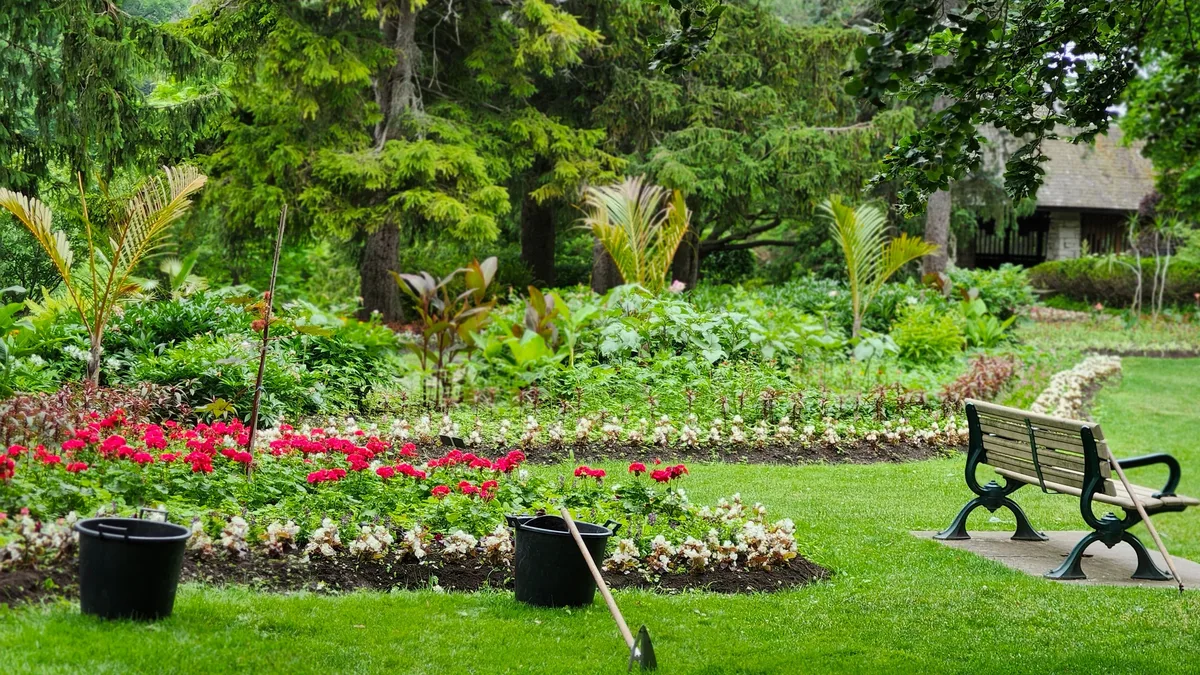
Gardening Know How recommends seven drought-tolerant perennial plants that maintain vibrant color and structure through early fall dry spells.
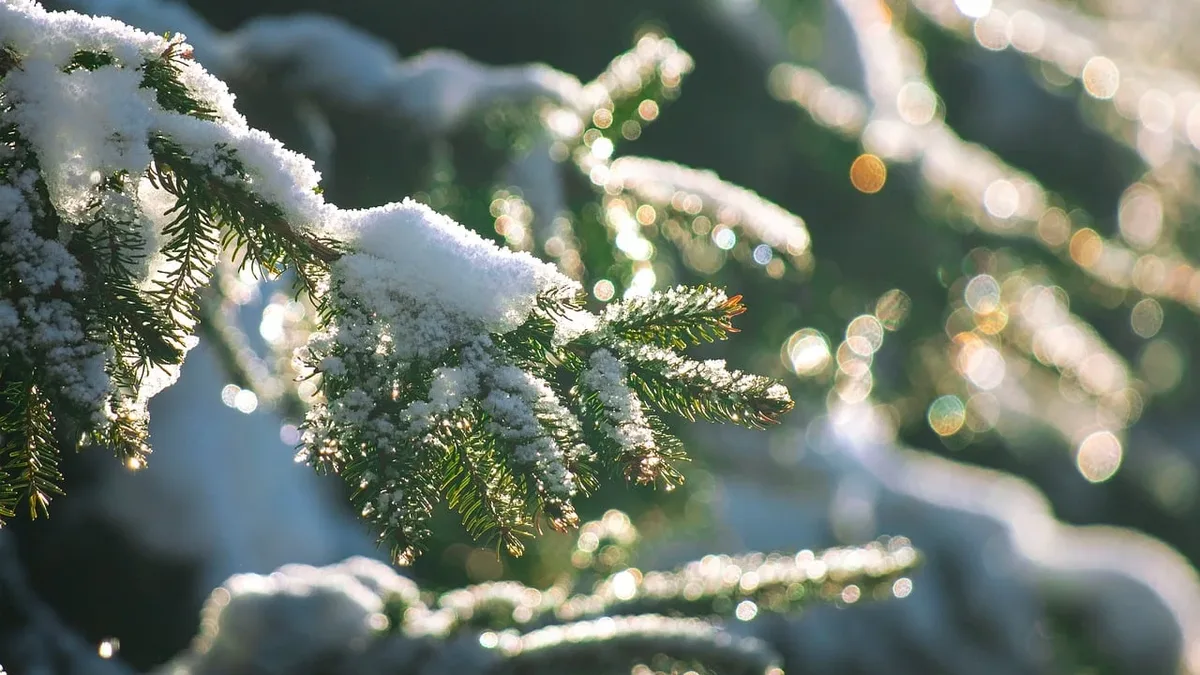
A Gardening Know How article lists seven low-maintenance evergreen plants that provide year-round structure and color with minimal care.
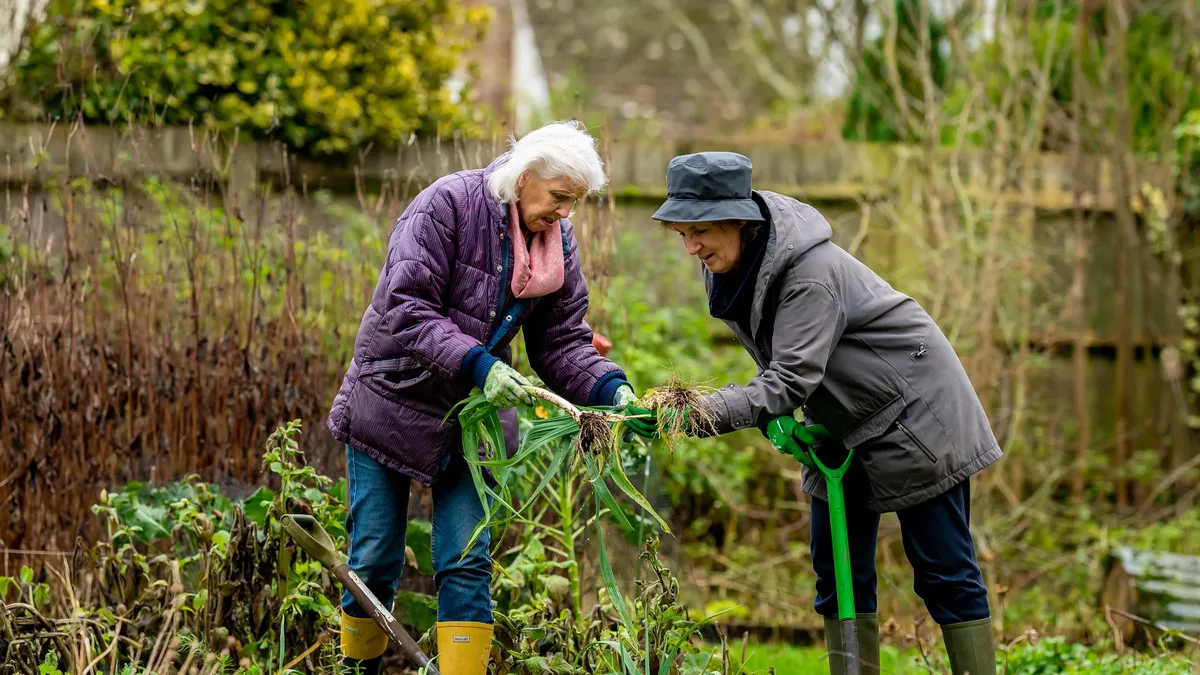
Fine Gardening's GPOD feature shows six reader-submitted ideas for transitioning container gardens and displays into autumn, using plants like mums.
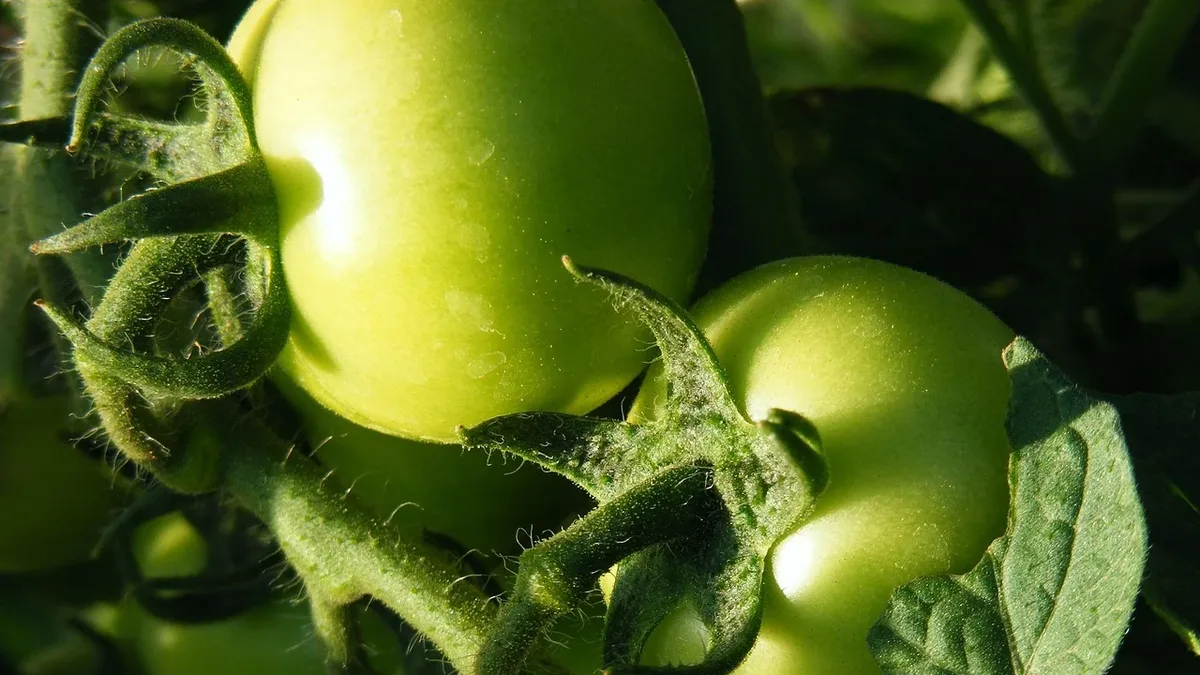
Gardening Know How details six methods for recycling spent tomato plants, from creating ash fertilizer to crafting temporary trellises.
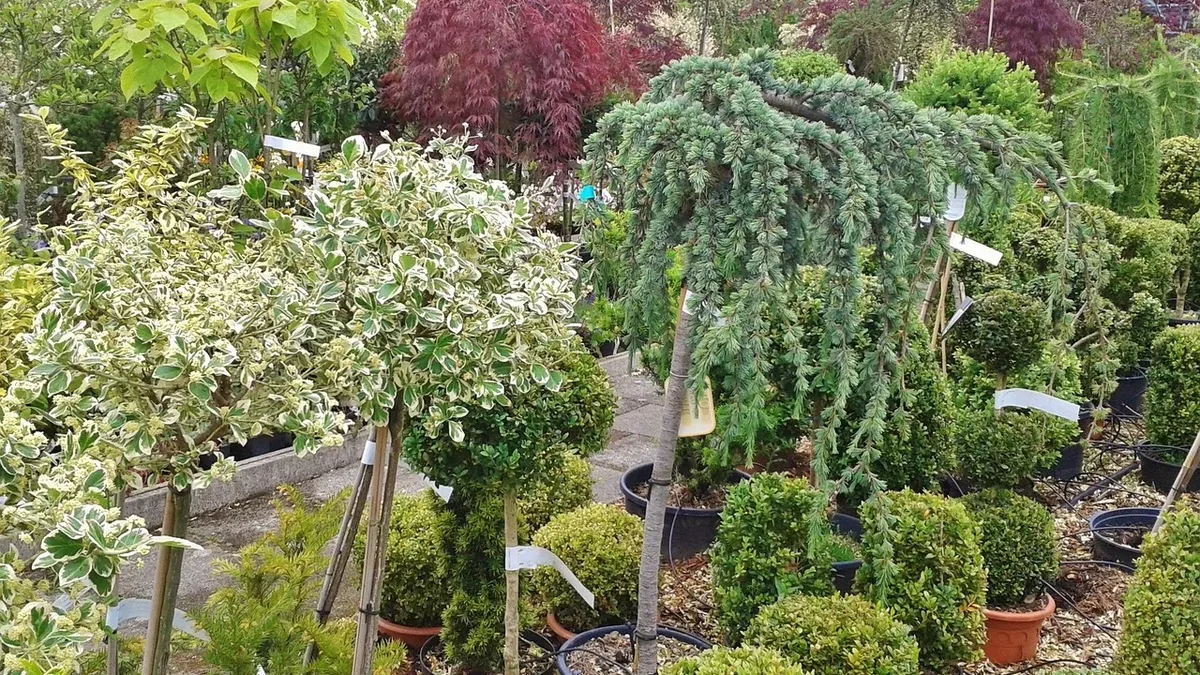
A former garden center manager advises shoppers on which plants are smart buys on clearance and which ones to avoid, based on their resilience.
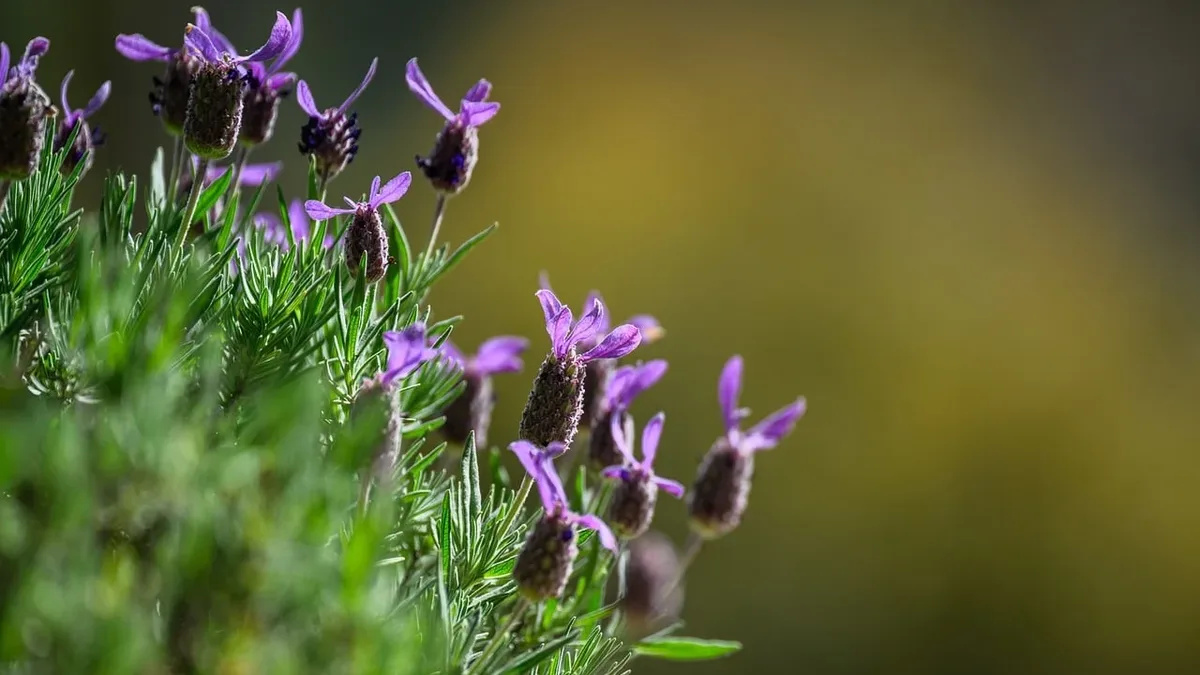
Five simple September tasks for lavender plants, including light pruning and drainage checks, to ensure healthy growth and fragrant blooms next summer.

Crabgrass is an annual weed that emerges in spring and signals underlying lawn issues like compacted soil.
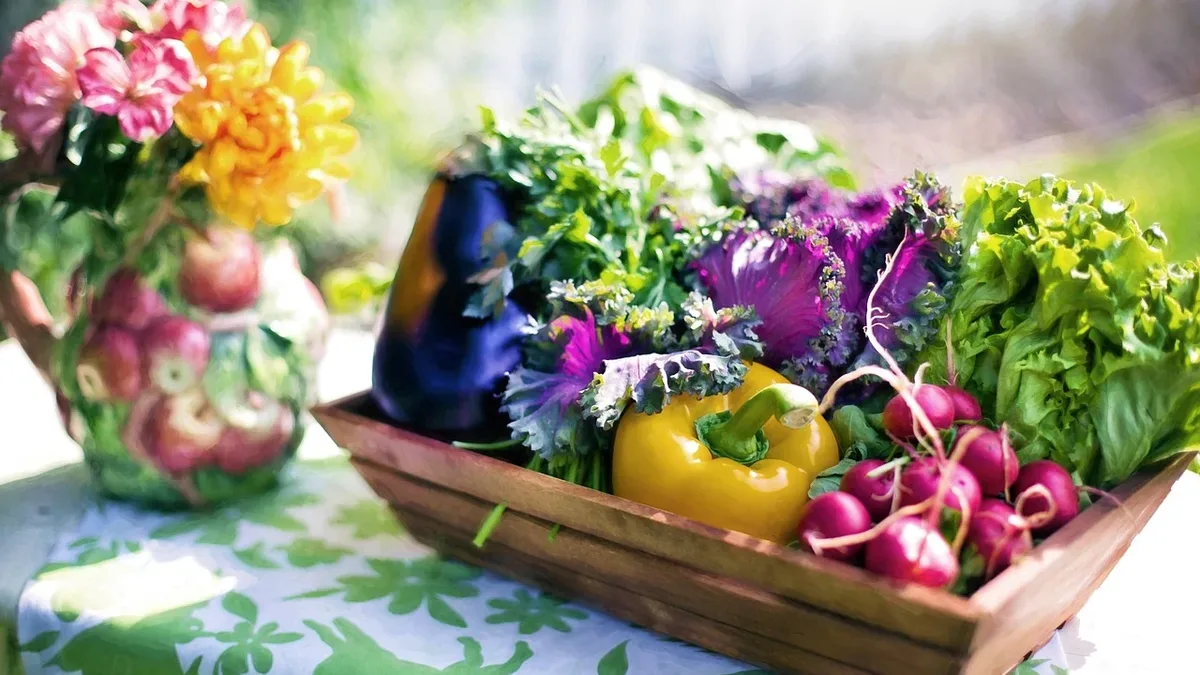
Gardening Know How recommends seven vegetables to plant in September, including fast-growing greens for fall and hardy crops like garlic for spring.
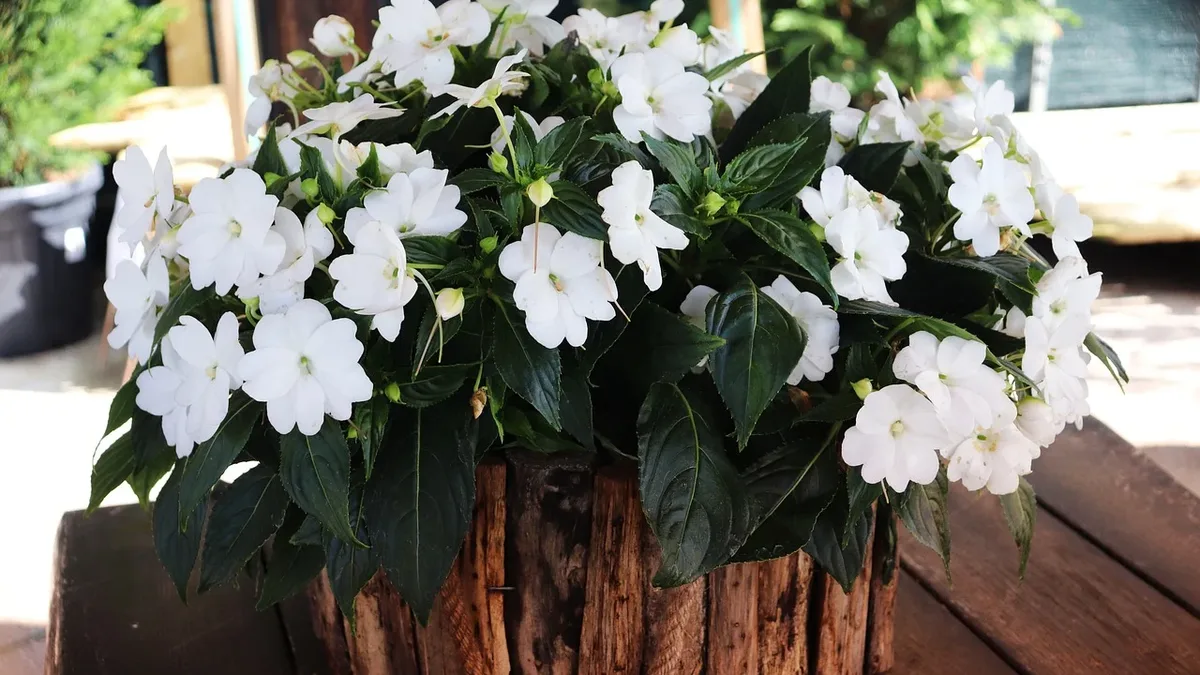
The late actor Tim Curry was a passionate horticulturist whose favorite garden feature was not plants but strategically placed seating.
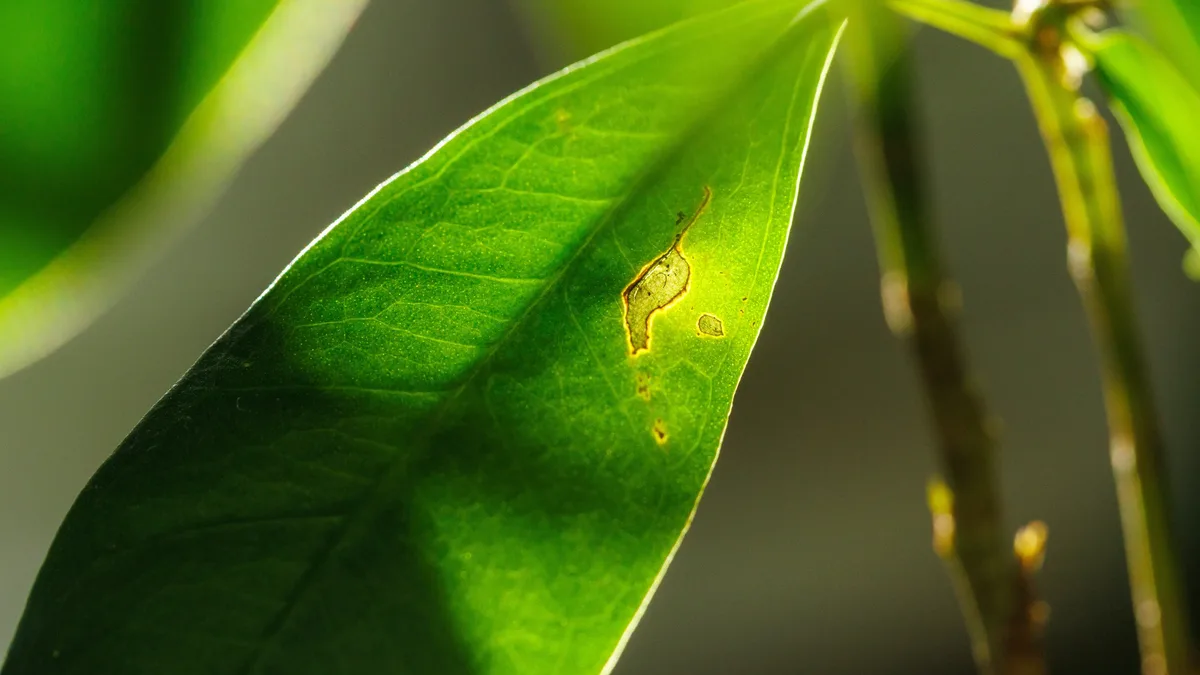
Brown hosta leaves have multiple causes, from sun scorch and thirst to nematodes and disease. Correct diagnosis by reading the damage pattern is key to an effective fix.
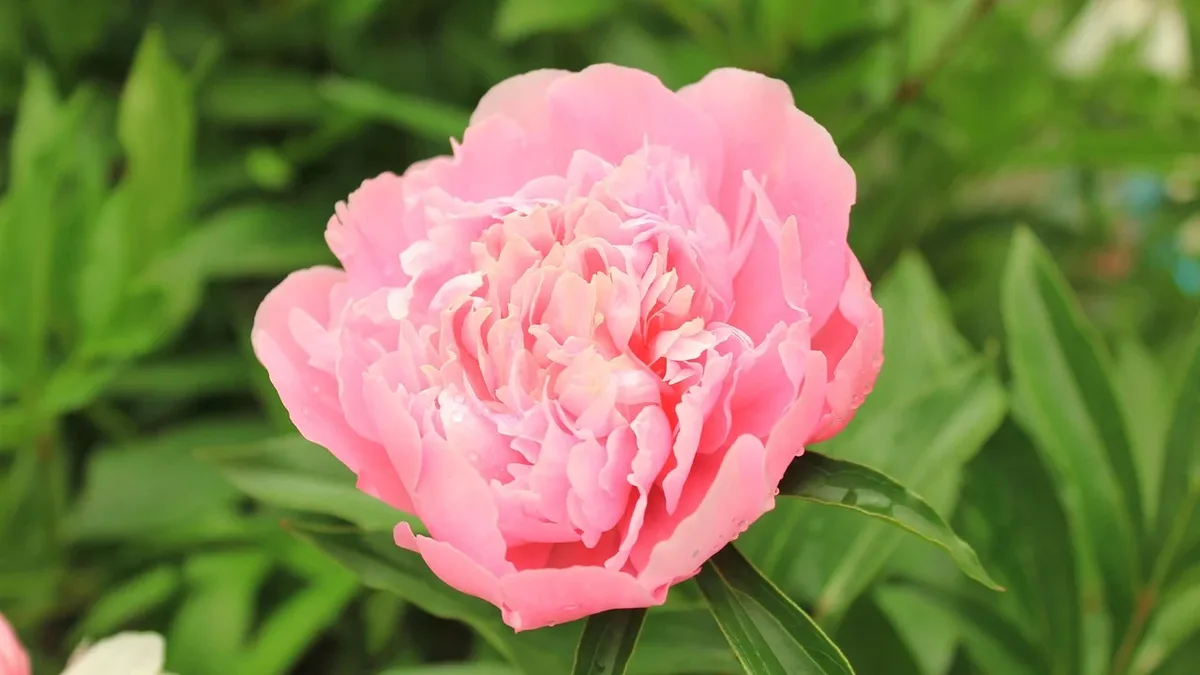
Gardening Know How lists ten perennial plants that can replace common annuals, offering long-term blooms with less yearly effort.

After lightning destroyed a key shade tree, exposing his garden to full sun, retired horticulturist Ed Lyon details an urgent, four-step plan to save shade plants.