Expert Lists 5 Best and 3 Worst Clearance Plants
A former garden center manager advises shoppers on which plants are smart buys on clearance and which ones to avoid, based on their resilience and
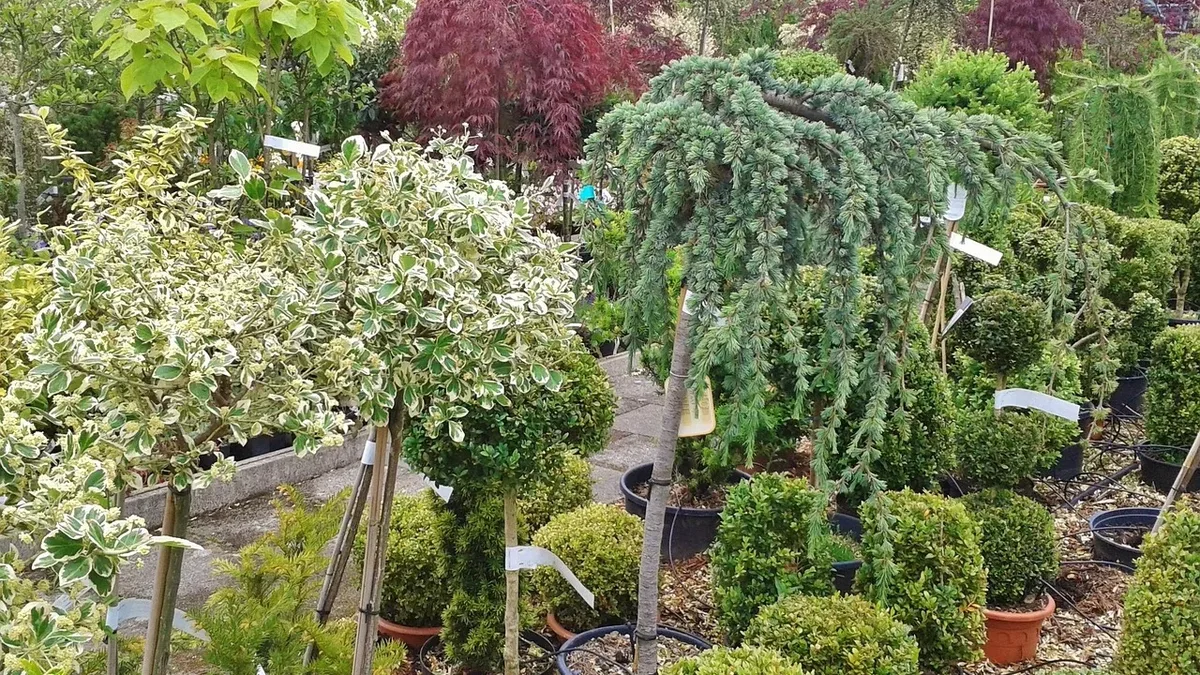
A former garden center manager with two decades of experience says late summer and early fall are prime times to hunt for plant bargains. Amy Draiss, now the Digital Community Manager at Gardening Know How, identifies five types of plants worth buying on clearance and three to skip, in the first article of a new series called Garden Center Secrets.
Draiss says hardy perennials are an excellent choice, even if they look rough. You are buying the root system and future potential. Many, like bee balm, veronica, and agastache, can be planted well into late fall and will return the following spring. Other perennials such as daisies, coneflowers, daylilies, hostas, and ornamental grasses can also be fantastic bargains.
Smart Buys for the Clearance Rack
Shade and flowering trees are often marked down in autumn to make room for spring inventory. Fall planting allows them to establish roots in cooler, wetter conditions. Draiss advises ensuring the tree is hardy for your area and consulting a garden center associate about planting location factors like sun, moisture, and space.
Hydrangeas frequently look wilted by season's end, but the root system is often healthy. A stressed plant can recover once planted and watered. Buying a larger, established shrub at a discount allows for budget savings. Spring-flowering bulbs are another target. Draiss admits she only buys them at 50% off or more. Daffodils, tulips, alliums, and crocuses can be great finds if the bulbs are firm and free of mold.
Houseplants cleared out for holiday stock can be resilient. Snake plants, pothos, spider plants, and fiddle-leaf figs may recover with proper care. Check for severe root binding and pests before purchasing. Draiss is more cautious with orchids due to reblooming challenges.
Plants to Avoid on Clearance
Not all discounted plants are worth the money. Draiss warns against evergreens with significant brown or dead sections, like dwarf Alberta spruce. Browning often signals insect damage, disease, or winter injury, and evergreens may not regrow in those areas. A small brown branch on a flowering evergreen like an azalea can be trimmed, however.
Tender perennials and annuals are tempting but often a poor investment as cold weather approaches. They have little time to recover before a hard freeze kills them. Unless you plan to bring them indoors or take cuttings, your money is better spent on hardy perennials.
Severely root bound plants should be left on the shelf. While mildly bound roots can be corrected at planting, a dense, matted mass indicates a plant that may never thrive. Always slide a plant from its pot to inspect the roots before buying, clearance or not. Draiss concludes the advice by noting that savvy shopping can yield great garden additions without the full price tag.