Lavender Care Tasks for September
Five simple September tasks for lavender plants, including light pruning and drainage checks, to ensure healthy growth and fragrant blooms next summer.
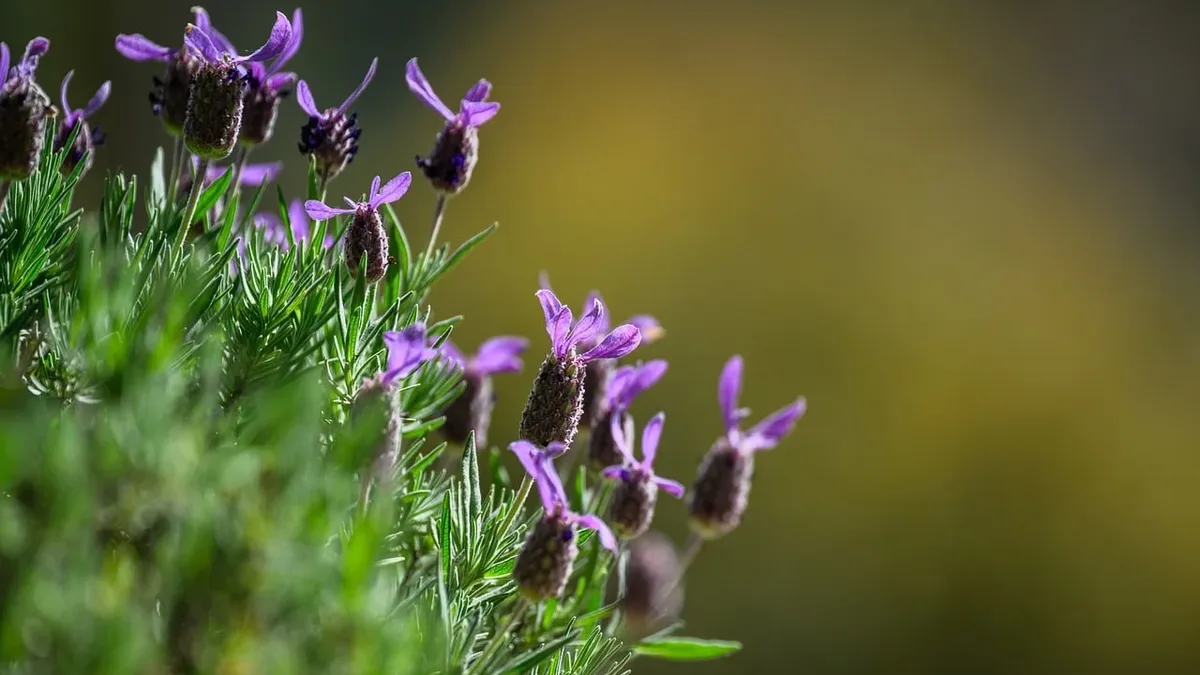
September is a important month for lavender care as plants transition from summer growth to winter preparation. A few simple tasks completed now can significantly improve plant health and bloom abundance for the following year, according to guidance from Gardening Know How.
Harvest and Light Pruning
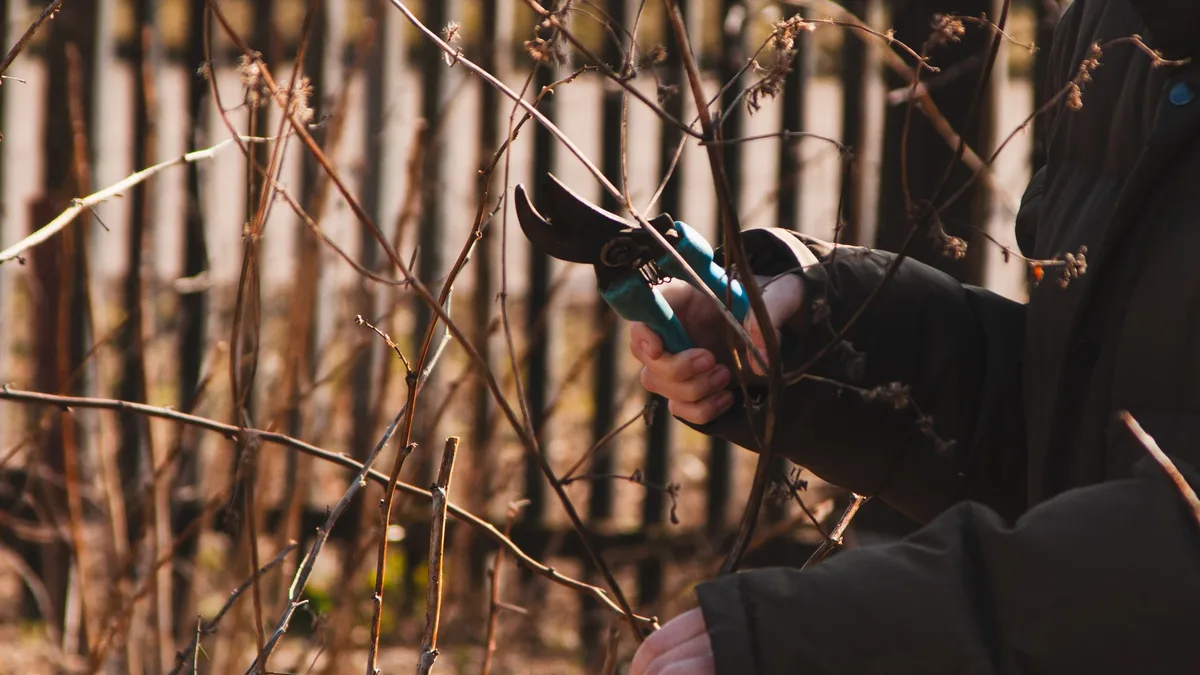
A final harvest of lavender flowers may still be possible in September, depending on your local climate. The source advises harvesting blooms before they begin to shed. Even if the flowers are not needed, they should be trimmed off. Use clean, sharp shears for this light pruning, which also involves trimming back some green growth to maintain the plant's size and shape.
Save any major pruning for late winter or early spring. Cutting back too much in autumn can stimulate new growth that may be damaged by cold weather. Always avoid cutting into the plant's woody stems, as these sections rarely regrow.
Adjusting Watering Routines
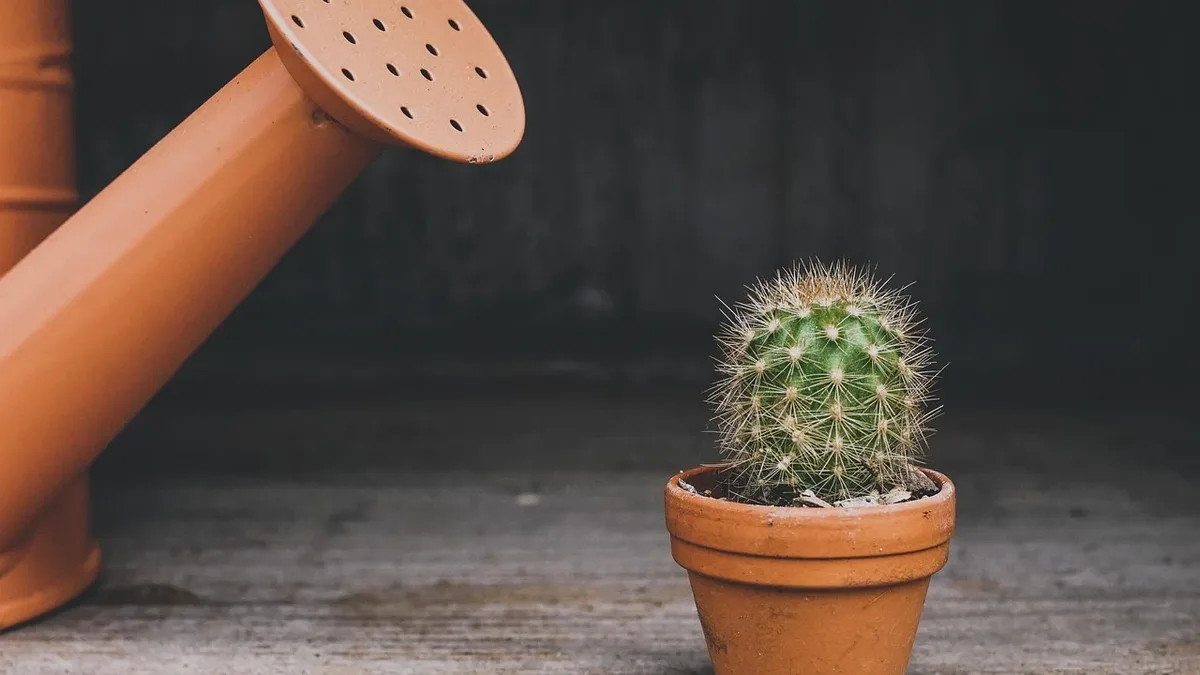
As growth slows and temperatures drop, lavender requires less water. The article recommends tapering off supplemental watering in September rather than stopping abruptly. Check the soil moisture before watering; only water when the top three to four inches of soil are dry.
Water deeply at the soil level and avoid overhead watering. Excess moisture on the plant can encourage disease. At this time of year, overwatering is considered more harmful than underwatering. A soil moisture meter can help eliminate guesswork.
Soil and Drainage Check
Well-draining soil is critical for lavender survival, especially during wetter fall and winter months. September is an ideal time to check the soil condition, particularly after a rainy summer. Gently dig around the plant to see if the soil holds too much water.
If the soil feels wet days after rainfall, amend it by working in coarse sand or pea gravel. Improving drainage helps maintain healthy roots through autumn rains and winter snowmelt.
Mulch Maintenance
Heavy organic mulch, such as compost or shredded bark, should be removed or thinned out in September. While useful in summer, these mulches can retain excessive moisture during cooler seasons. The source suggests replacing them with a one-inch layer of pea gravel or grit mulch.
This inorganic mulch offers some insulation from colder temperatures while also improving drainage around the plant's base.
Caring for Potted Lavender
Potted lavender plants require the same core care tasks as those in beds but need extra winter protection. Complete light pruning and check that drainage holes are not clogged. While container plants dry out faster and typically need more water, begin to reduce watering frequency in autumn.
For winter, you have two main options. In very cold climates, bring containers indoors to a space like a garage. In milder areas, protect outdoor pots by grouping them together, moving them to a sheltered spot, and wrapping the containers with materials like burlap or bubble wrap. Following these September steps sets lavender up for a vibrant return next summer.