Cold-Tolerant Container Plants Sustain Fall Color in New Jersey
Garden designers Ellen Goldfarb and Tracy Buttrick share four autumn container designs for New Jersey landscapes, highlighting plant combinations that withstand chilly nights and light frost to maintain vibrant seasonal displays.
New Jersey garden designers Ellen Goldfarb and Tracy Buttrick have shared four autumn container designs featuring cold-tolerant plants for sustained fall color. Their arrangements, created for narrow porches and a ginkgo-lined entrance in Saddle River, demonstrate how to keep outdoor spaces lively well into the season.
Ellen and Tracy said: “We’re back with more fall color from New Jersey garden designers Ellen Goldfarb and Tracy Buttrick!” The first pot sits on a narrow front porch in Ho-Ho-Kus. It combines structural broom corn with the purple blooms of 'Mona Lavender' plectranthus. Yellow winterberries, pumpkins-on-a-stick, ornamental cabbage, purple sweet alyssum, and Algerian ivy complete the display.
A second container offers a richer palette. It features green and brown millet alongside orange winterberry. 'Mona Lavender' plectranthus returns here, joined by spiked celosia and ornamental pepper. A mum, more cabbage, and hardy heather round out the composition.
The third design was one of a pair placed at the end of an allée of ginkgo trees in Saddle River. It mixes orange and yellow winterberries with 'Jade Princess' millet. Pumpkins-on-a-stick and ornamental peppers provide form, while Snow Princess sweet alyssum and cabbage fill in the scheme.
Design Details and Plant Selections
Specific plant combinations are key to these durable designs. Beyond the featured pots, other reliable performers include asters, which provide late-season pollinator stops with daisy-like blooms. Dianthus offers fringed flowers and may return in spring. English ivy adds trailing greenery.
Snapdragons thrive in cooler weather, producing tall flower spikes. Sweet alyssum brings a honey-like fragrance with its tiny blooms. Pansies and violas are remarkably tough, handling temperatures down to the low 20s. For structure and winter interest, ornamental grasses like blue fescue are excellent choices.
A selection of recommended cold-tolerant container plants includes:
| Plant | Key Features | Hardiness/Type |
|---|---|---|
| Aster | Daisy-like blooms in purple, pink, blue; late pollinator stop | Varies by species |
| Dianthus | Fringed pink, red, white flowers; may return in spring | Varies by species |
| English Ivy | Trailing vines, adds greenery | Zones 4-9 |
| Snapdragon | Tall pink, red, yellow, white spikes; prefers cool weather | Annual |
| Sweet Alyssum | Tiny white, pink, purple flowers; honey fragrance; thrives in cool weather | Annual |
| Pansy/Viola | Handles temps down to low 20s; many colors | Annual/Biennial |
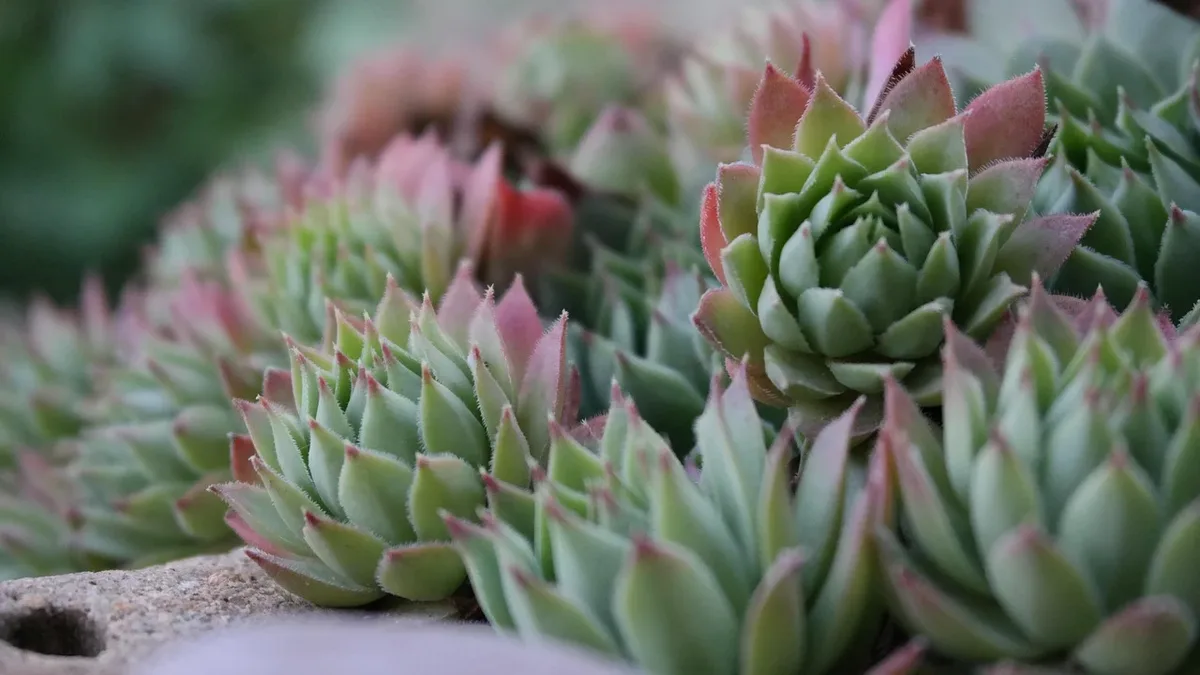
| Sedum (Stonecrop) | Hardy succulent, fleshy leaves, late blooms for pollinators | Zones 3-9 |
| Heuchera (Coral Bells) | Foliage in bronze, plum, amber holds color in cold | Zones 4-9 |
| Ornamental Kale/Cabbage | Rosette leaves deepen in color as temps drop | Annual |
| Ornamental Grasses (e.g., Blue Fescue) | Adds structure, height, and winter interest | Varies by species |
Heuchera, or coral bells, provides richly hued foliage that holds its color. Ornamental kale and cabbage develop more intense shades as temperatures drop. Grace Cary noted, "Every good container garden needs a plant that knows how to steal the show from the sidelines!" Sedums are easy to grow and propagate, while purple heather supports late-season bees.
Practical Tips for Container Success
Proper preparation ensures container plants last. Always use a pot with drainage holes. An oversized planter is ideal. Fill it halfway with potting compost. Mix in grit or perlite to improve drainage. Water all plants thoroughly before potting them. This helps them stay hydrated while they establish.
Place the finished container in its final sunny spot before watering it deeply. Watering in situ avoids moving the heavy weight of water-soaked soil. For maintenance, deadhead spent blooms to encourage more flowers. Use taller grasses or structural plants as centerpieces. Elevate containers slightly to prevent water from collecting and freezing around the roots.
These plants can take a garden from September right through the first snow. For a full demonstration, watch the weekend episode of the weekly video series Petals & Roots, presented by gardening expert Rachel Bull.