A Minnesota Gardener's Late Season Display
A gardener in Minnesota shares a photographic tour of her late summer and fall blooms, while experts explain the surprising reason snails sometimes eat paper mail.

Today we look at a personal garden journey through the late season and explore a peculiar pest behavior. First, a Minnesota gardener details the plants that bring color from July to October. Second, ecologists shed light on why snails are sometimes found consuming letters in mailboxes.
Late Summer to Fall in Minnesota
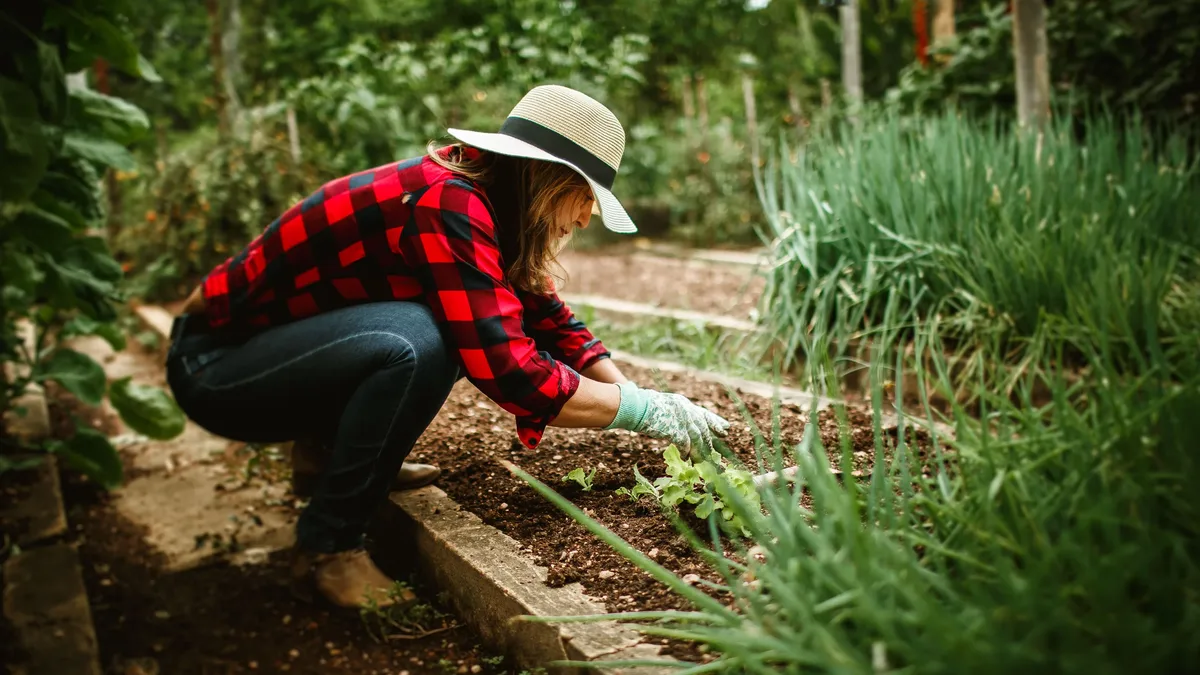
Susan, a gardener in St. Paul, Minnesota (Zone 5a), has shared a series of photos from her garden spanning late July to October. Her husband helped relocate and divide a large 'Montana Aureomarginata' hosta that was receiving too much sun, replanting sections in shadier spots.
The photographic tour highlights a succession of late-season performers. In late July, bluish 'El Niño' hostas and a 'Little Quick Fire' panicle hydrangea complemented the divided hosta. Grape-leaf anemone glowed in the afternoon light, while a front garden bed featured a mix of garden phlox, black-eyed Susans, and a daylily blossom named 'Autumn Gold'. A surprising find was a lone stalk of Japanese lily ('Lilium speciosum 'Album''), which had escaped both scarlet lily beetles and the gardener's cleanup.
As the season progressed, curly onion ('Allium senescens 'Glaucum'') attracted painted lady butterflies, while 'Autumn Joy' stonecrop and black cohosh (bugbane) provided dependable fall blooms for pollinators. One clump of black cohosh was photographed blooming on September 22, with others continuing for over a month afterward. The golden foliage of 'Sun King' Japanese spikenard was also noted for its late-season flowers and fruits.
Snails and Paper Consumption
Snails have been documented eating paper mail, with instances reported from a postbox in Northumberland and by individuals in Australia. Ecologist Simon Mustoe and comedian Jimeoin have both noted the phenomenon, with the latter joking to a snail, "You stupid snail, you’re supposed to eat lettuce, not letters."
Dr. John Stanisic, an honorary research fellow at the Queensland Museum, explains that letters are processed vegetable matter, making them a plausible food source. He discovered their appetite firsthand when snails escaped a container and ate the front page of his running sheet. In Australia, the culprits are common garden snails, introduced from Europe about 120 years ago, which seek humid refuges like letterboxes. Moisture is critical for snails, as they need it to produce the slime for movement and to keep their bodies active.
Experts emphasize the ecological importance of snails overall. Mustoe suggests their waste consumption is critical for ecosystems, while Dr. Isabel Hyman from the Australian Museum notes they are vital components of the food web. Although the introduced garden snails can be pests, Hyman urges a mindful approach, noting they give a bad reputation to Australia's roughly 2,500 native snail species, which include varieties like the Mount Kaputar pink slug and the leopard slug.