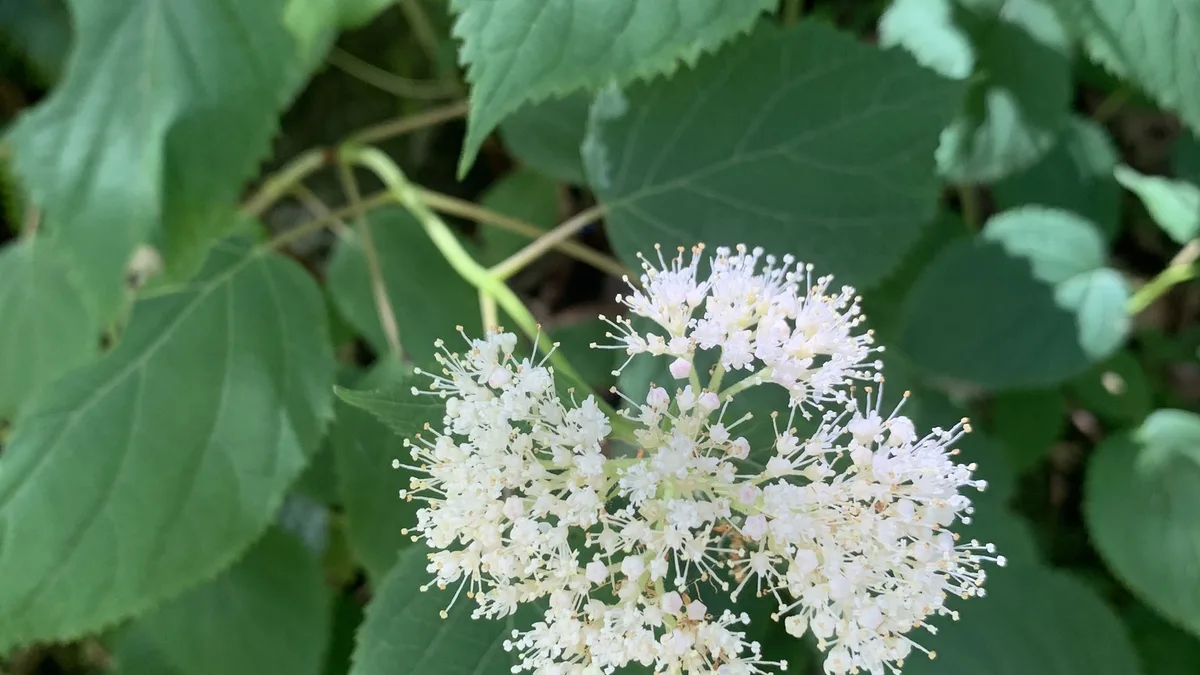
Hydrangea
| Country of origin | East Asia, North and South America |
|---|---|
| First documented | 18th century (introduced to Europe) |
| Original use | Ornamental garden shrub |
| Position | Partial shade to full sun (varies by species/climate) |
| Soil | Moist, well-drained, humus-rich; flower color can vary with soil pH |
| Pruning time | Late winter or summer (depends on species/blooming on old or new wood) |
| Hardiness | USDA zones 3 to 9 (varies widely by species and cultivar) |
| Bloom time | Early summer to late autumn |
Origin and history
Hydrangea is a genus of flowering plants native to regions of Asia and the Americas. The greatest diversity of species originates from East Asia, particularly Japan, China, and Korea. Several species are native to North and South America, such as *Hydrangea arborescens* from the eastern United States. Plants from this genus were first documented and introduced to Western botanical science in the 18th century. European plant collectors, most notably the botanist Carl Peter Thunberg, brought Asian species to Europe from Japan in the late 1700s. Their cultivation and popularity in European and North American gardens expanded significantly throughout the 19th century.
What it was bred for
Hydrangeas have been selectively bred primarily for their ornamental flower heads, known as inflorescences. Breeding programs have focused on enlarging these flower clusters and intensifying the range of bloom colors. A key breeding target has been to develop cultivars with stronger stems that can support the large flower heads without drooping. Considerable effort has also been directed at manipulating flower color, particularly in *Hydrangea macrophylla*, where soil pH affects bloom hue. Breeders have worked to expand hardiness ranges, allowing plants to survive in colder climates. Additionally, breeding has produced varieties with varied growth habits, from compact shrubs suitable for containers to larger specimens for woodland gardens.
Life cycle
Hydrangeas are perennial, deciduous shrubs, though some species are evergreen in warmer climates. Their annual cycle begins with bud break in early to mid-spring, followed by rapid vegetative growth of stems and leaves. Flower bud formation is critical and varies by species; some form buds on old wood (previous year's growth) in late summer, while others form buds on new wood (current season's growth) in spring. The main flowering period typically occurs from early summer through autumn, depending on the species and cultivar. After flowering, the spent blooms often persist on the plant, drying to papery structures that provide winter interest. The plant then enters dormancy in late autumn, shedding its leaves and halting growth until the following spring.
Character and appearance
Hydrangeas are characterized by their opposite, simple leaves with serrated margins and a pronounced venation pattern. Their most distinctive feature is the composite flower head, which consists of small, fertile florets often surrounded by larger, sterile bract-like florets. The appearance of these inflorescences varies widely, from the large, spherical "mophead" types to the flat, delicate "lacecap" types, and the conical panicles of *Hydrangea paniculata*. Plant size ranges from compact one-foot cultivars to large, tree-like specimens exceeding eight feet in height and spread. Foliage can be a deep, glossy green, but some cultivars feature burgundy stems or leaves with variegated patterns of cream and green.
Pros and cons
A significant advantage of hydrangeas is their long-lasting and visually impactful blooms, which provide color for months. Many varieties offer multi-season interest with persistent dried flower heads and attractive bark or stem color in winter. However, a major con is their specific and often confusing pruning requirements; incorrect pruning at the wrong time easily removes the coming season's flower buds, leading to a bloomless year. Their substantial water needs can be a drawback in drought-prone areas or for gardeners seeking low-maintenance plants, as wilting occurs quickly in dry soil. Some species, particularly *Hydrangea macrophylla*, can suffer from winter bud kill in colder zones, again resulting in no flowers. The flower color of certain types being dependent on soil pH is viewed as a charming trait by some but an unpredictable nuisance by others who desire a specific, stable color.
Who it suits
Hydrangeas suit gardeners who have time to understand the specific needs of their chosen cultivar, particularly regarding pruning and watering. They are ideal for gardeners in regions with consistent summer moisture or those willing to provide supplemental irrigation. These plants suit those looking to create a classic, cottage-garden aesthetic or lush, woodland border plantings. They are a poor choice for xeriscaping or for gardeners who prefer a "plant and forget" approach to landscaping. Hydrangeas are well-suited to gardeners interested in the chemistry of gardening, who enjoy manipulating soil pH to alter bloom colors. They also suit those with partially shaded garden spaces where many other flowering shrubs struggle to bloom reliably.
Latest Hydrangea news
Latest reporting
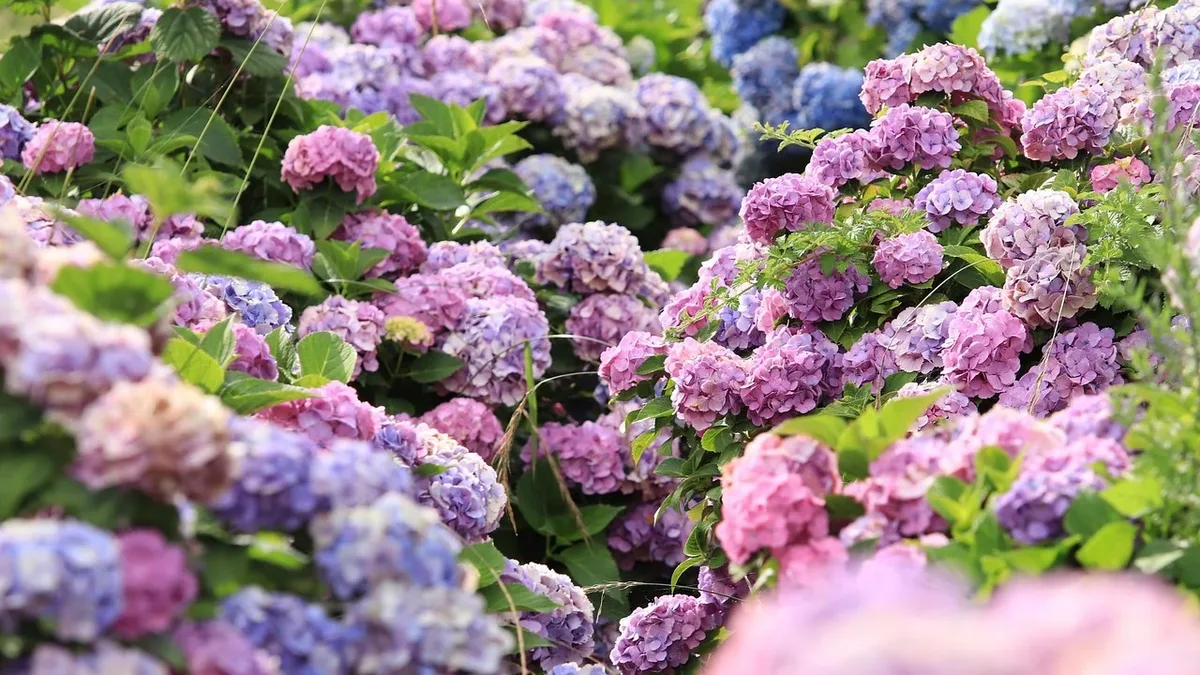
Alberta gardener transforms cutting garden into mass planting
A gardener in Alberta, Canada, has spent seven years converting a raised-bed cutting garden into a mass planting featuring over 600 hydrangea blooms.
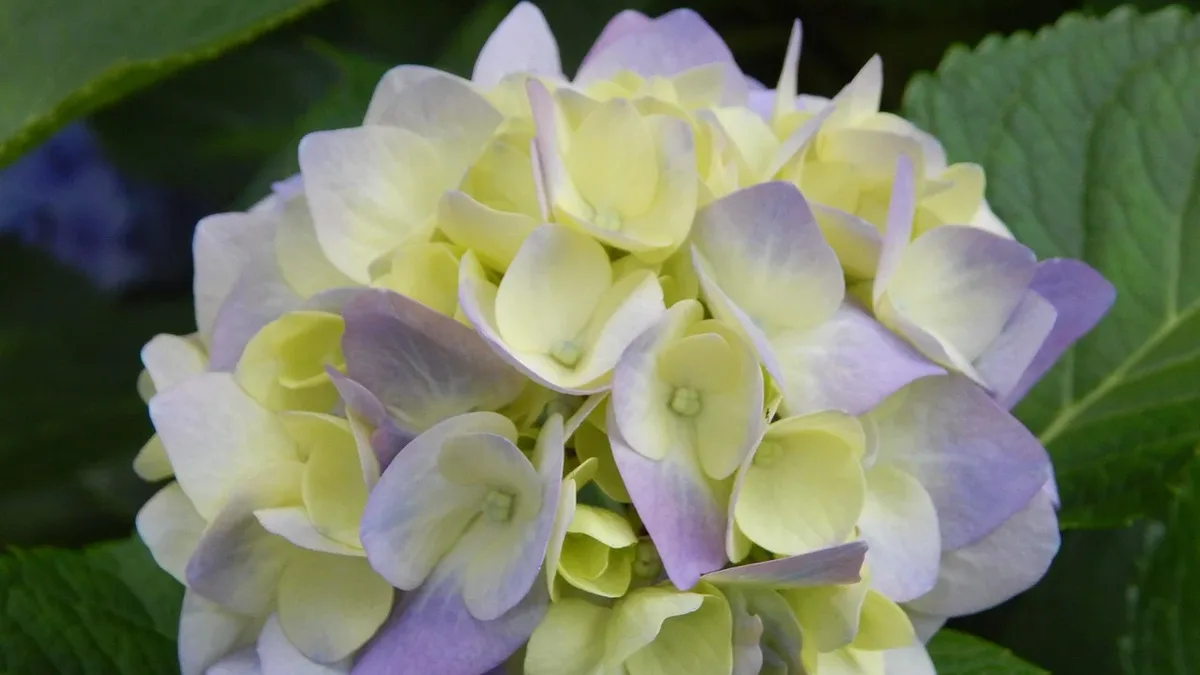
Hydrangeas: Unique Species for Your Garden
A gardening expert recommends lesser-known hydrangea varieties beyond common types, detailing unique medium-to-large and compact options with growing...
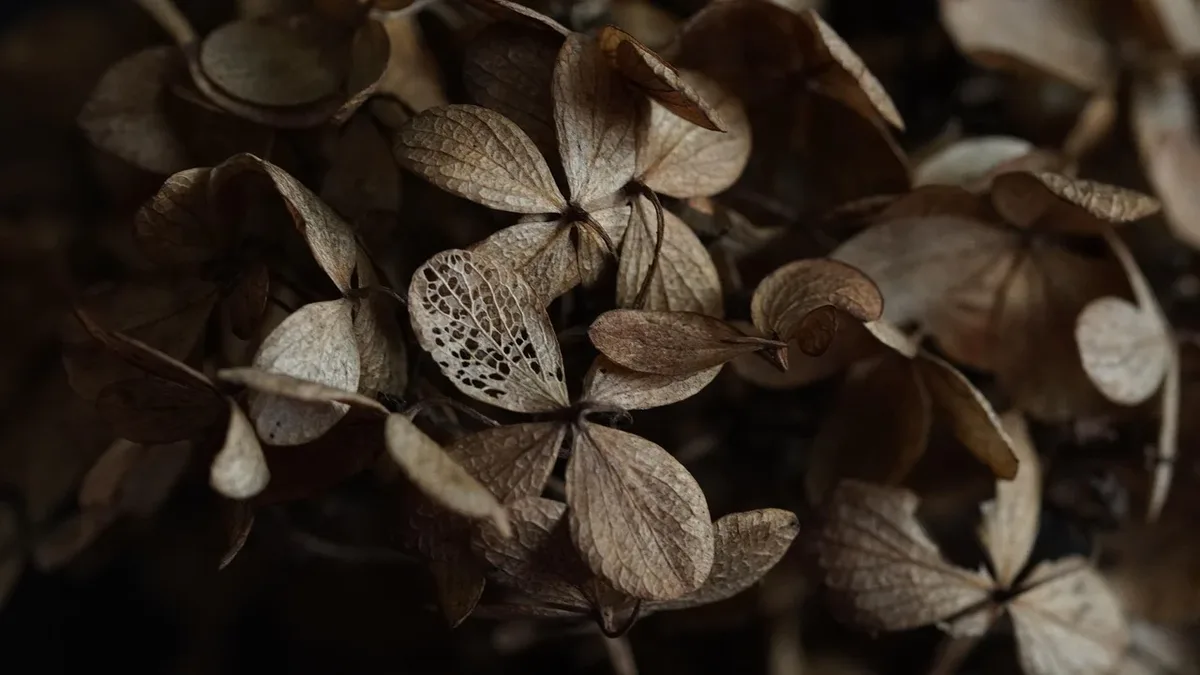
Hydrangea Care: 6 September Fixes for Better Blooms
Gardening Know How outlines six September fixes for hydrangeas that failed to bloom, focusing on correct pruning, fertilizer, and stress management.