Hydrangea Care: 6 September Fixes for Better
Gardening Know How outlines six September fixes for hydrangeas that failed to bloom, focusing on correct pruning, fertilizer, and stress management
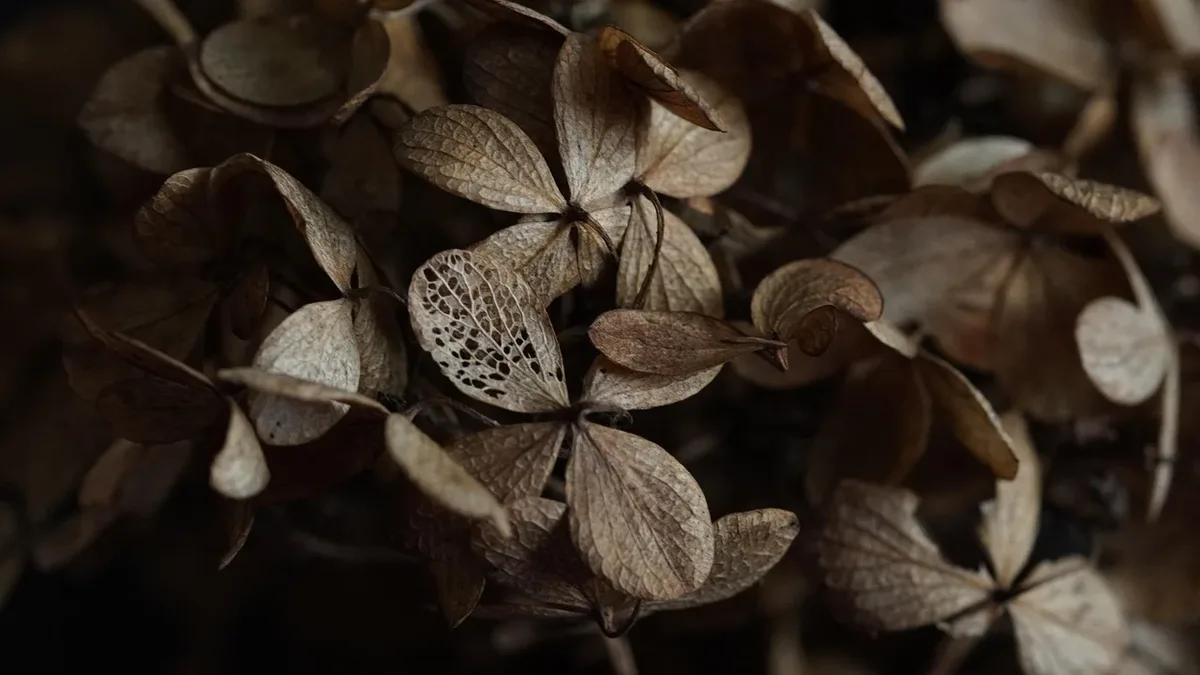
If your hydrangea was healthy but produced few flowers this season, targeted care in early September can secure a better bloom next year. Gardening Know How explains that a 'lazy' bloomer is often conserving energy after stress, and actions taken now can correct mistakes and protect overwintering buds. You can find more detailed plant care guides in our stats section.
As late summer turns to fall, hydrangeas are in transition. Bigleaf (Hydrangea macrophylla), oakleaf (H. quercifolia), and mountain (H. serrata) types are setting next spring's flower buds on old wood. Meanwhile, panicle (H. paniculata) and smooth (H. arborescens) varieties, which bloom on new wood, are showing their final colors.
Identify Your Hydrangea Type
First, pinpoint your hydrangea type because it dictates all care, especially pruning. Mistimed trimming is a leading cause of poor flowering. Old-wood bloomers form next year's buds on current summer stems. Pruning them in late summer or fall risks cutting off the entire next season's show. New-wood bloomers set buds on fresh spring growth.
Late summer stress from heatwaves, intense sun, or high-nitrogen lawn fertilizer can also force the plant into survival mode, prioritizing leaves over flowers. Regional hardiness matters too. The source notes growers in USDA zones 4-6 may face bud damage from late spring frosts, while those in zones 8-9 deal with root stress and dry soil. For regional gardening schedules, check our fixtures.
Prune at the Right Time
Pruning at the wrong time is a top reason for decreased flowering. For old-wood hydrangeas like bigleaf and oakleaf, prune lightly right after they finish flowering. The source cautions that these varieties can start setting next year's buds during September, so late fall pruning risks removing them.
For new-wood panicle and smooth hydrangeas, prune in late winter or early spring while dormant. The article states you can remove one-half to one-third of the plant during dormancy. Do not prune after new spring growth appears, or you'll cut off the budding flowers.
Use the Right Fertilizer
Lush green growth with few flowers may point to your fertilizer. High-nitrogen products, like some lawn fertilizers, promote foliage over blooms. In early September, high nitrogen is particularly dangerous as it stimulates tender shoots vulnerable to winter frost.
The source advises keeping lawn fertilizer away from hydrangea roots and checking your product. Switch to a fertilizer with higher phosphorus, ideally a 10-20-10 blend, for the season's final feedings to promote root growth and flower bud formation.
Manage Drought and Heat Stress
Hot, dry late summer conditions cause stress, diverting energy from flowers to survival. Signs include wilting, brown leaf margins, scorching, and premature leaf drop. Smooth and bigleaf hydrangeas are known to wilt in high sun, while panicle types tolerate afternoon sun better with consistent moisture.
Reverse stress by watering deeply and regularly at the soil level. Pair this with a 2-3 inch layer of organic mulch around the base to retain moisture and cool roots. For hydrangeas wilting in full afternoon sun, provide temporary shade with a cloth or umbrella.
Check Light Levels
Too little light can also hinder blooms. The ideal is bright light with protection from intense late-day sun. Bigleaf and oakleaf hydrangeas thrive in dappled morning sun with filtered afternoon shade, generally needing 3-5 hours of direct light. Panicle hydrangeas can handle more sun if soil moisture is consistent.
**Protect Flower Buds in Winter**
For old-wood hydrangeas in colder zones, winter protection is crucial. After leaves drop, loosely mound mulch, straw, or evergreen boughs around the base. Avoid compacting material over the crown. This insulation helps shield low-set buds from freeze-thaw cycles and drying winds.
The source recommends focusing on these fixes now. Correcting care mistakes this month lays the foundation for a heavy floral show next year.