
July
| First created | 8th century BC (Roman calendar reform) |
|---|---|
| Original use | Named in honor of Roman general Julius Caesar |
| Country of origin | Roman Empire |
| Number of days | 31 |
| Season (Northern Hemisphere) | Summer |
| Season (Southern Hemisphere) | Winter |
| Zodiac signs | Cancer and Leo |
| Birthstone | Ruby |
Origin and history
July is the seventh month of the Gregorian calendar, originating from the Roman calendar. It was originally called Quintilis, meaning "fifth month" in Latin, as the Roman calendar year originally began in March. The month was renamed in honor of Julius Caesar following his assassination in 44 BCE, as it was the month of his birth. The Roman Senate officially decreed the name change, solidifying his legacy within the timekeeping system. This change was part of the broader Julian calendar reform, which Caesar instituted to realign the calendar with the solar year. The name and its ordinal position have persisted through subsequent calendar reforms into the modern era.
What it is for
July serves as a pivotal point in the annual cycle within the Northern Hemisphere, marking the heart of the meteorological summer. Its long, typically warm days and short nights provide the peak growing conditions for a vast array of heat-loving vegetables, fruits, and ornamental plants. For gardeners, the month is fundamentally for maintenance, vigilant watering, and continued harvest, rather than initial planting. It is the primary month for harvesting staples like tomatoes, zucchini, beans, and early corn, requiring regular attention to prevent produce from over-ripening. In many temperate regions, it is also the critical period for irrigating established plants and lawns to counteract heat stress and drought. Furthermore, July provides the window for sowing seeds of fast-maturing crops and certain biennials to ensure a late-season yield or blooms for the following year.
Pros and cons
The primary advantage of July is the abundance of light and heat, which accelerates plant growth and leads to prolific harvests of summer crops. This energy abundance makes garden tasks like weeding and pest inspection more pleasant and feasible. A significant con is the intense and often relentless heat, which can stress plants, scorch foliage, and drastically increase water requirements, leading to higher utility costs and labor. Common mistakes include inadequate or improper watering, such as frequent shallow sprinkling that encourages weak roots, and neglecting to mulch, which leads to rapid soil moisture loss. Gardeners often regret planting heat-sensitive crops too late in July, as they may fail to establish before cooler weather or succumb to disease pressure in the humid conditions. The month also concentrates pest and disease activity, requiring constant vigilance that can become burdensome, and its weather can be unpredictable with risks of severe drought or damaging storms.
Who it suits
July best suits gardeners who are committed to daily maintenance and have reliable access to sufficient water for irrigation. It is ideal for those who thrive on harvesting and preserving the yields of their labor, such as canners and cooks seeking peak freshness. The month suits gardeners in regions with long, stable growing seasons where the full summer heat can be utilized without excessive risk of early frost. It is less suited for novice gardeners or those with limited time, as the required vigilance against drought, pests, and diseases is high. July also suits planners who prepared in spring by installing efficient irrigation and applying mulch, as these systems are now essential. Finally, it is for the patient observer, as the rapid growth and changes in the garden during July reward consistent attention and timely intervention.
Latest July news
Latest reporting
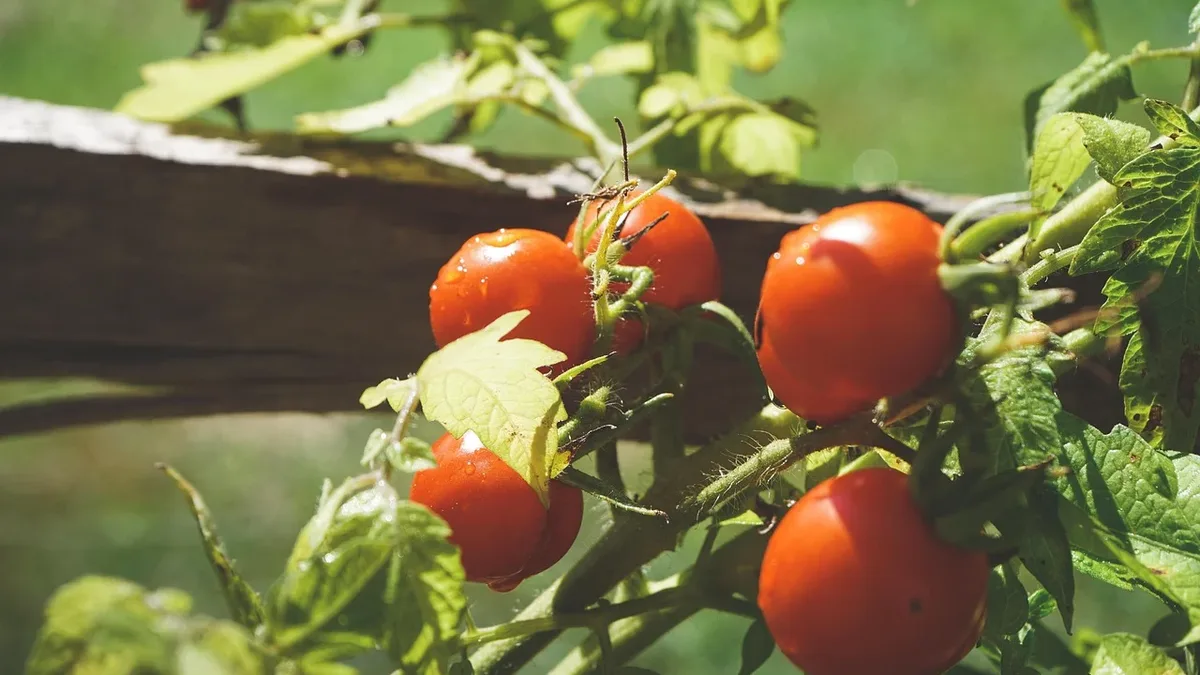
Rob’s 60-by-45-foot Summer Garden in NC
Rob’s 60-by-45-foot garden in Fort Barnwell, North Carolina, is thriving with container-grown tomatoes, peas, corn and more, despite a recent hot...
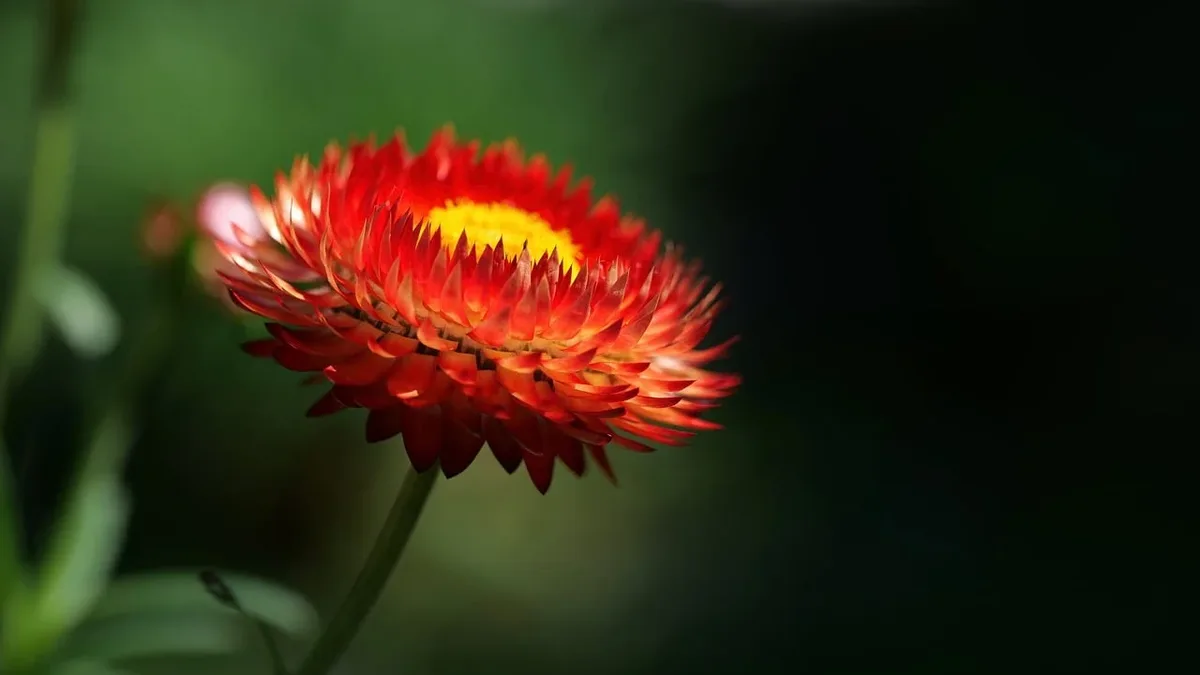
Summer Essentials: Your Top Picks for the Great Outdoors
From cooling mattress toppers to sustainable water bottles, discover the top products that made the cut in July's hitlist.