Plants That Do Well or Poorly in Terracotta Pots
Terracotta pots wick moisture and retain heat, creating dry, alkaline conditions that suit some plants but harm others.
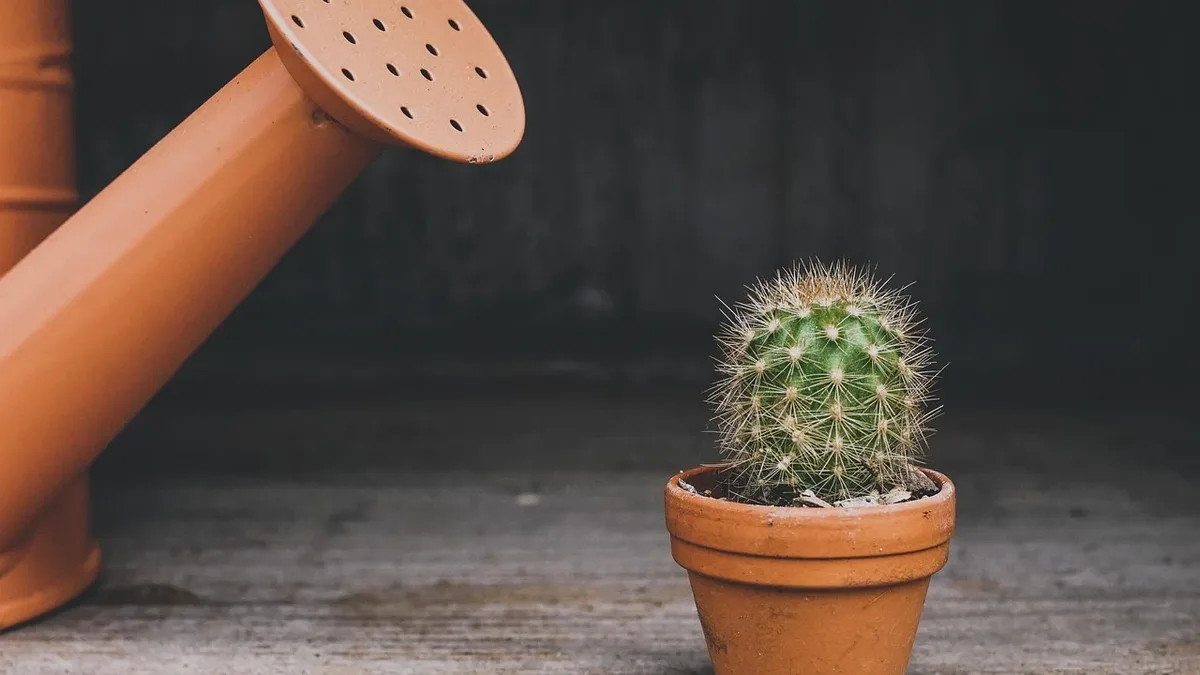
Terracotta pots are a popular choice for container gardening, but their porous nature makes them unsuitable for many plants. The unglazed clay constantly wicks moisture from the soil and retains heat, creating conditions that can scorch roots and alter soil pH. This makes pot material a critical choice for plant health, especially during summer heat and watering challenges.
Traditional unglazed terracotta provides 360-degree drainage. In USDA zones 8-11, which are hot and dry, this rapid evaporation combined with heat retention can scorch plant roots in peak summer. Plants with high water requirements and shallow root systems are particularly vulnerable. Hydrangeas, for instance, have large leaves that create a large surface area for water evaporation and should never be planted in terracotta containers. The clay's porosity can also cause soil pH to rise, which reduces flower vibrancy in acid-loving species.
Plants That Struggle in Terracotta
Moisture-loving and acid-loving plants suffer from rapid drying and pH rise in terracotta. Their needs are the opposite of what these porous pots provide.
Clay porosity causes azalea roots to dry out quickly, shortening bloom time and fading flowers. For blueberries, alkaline tap water can further raise soil pH when used in terracotta pots. In unglazed terracotta, continual moisture loss prevents canna lilies from facilitating growth and cooling.
Plants That Tolerate or Thrive in Terracotta
Some plants can do well in unglazed terracotta due to their natural habitat. Ferns with thick, glossy leaves, such as bird's nest or Hart's tongue ferns, tolerate drier conditions and may thrive in these pots.
Better Alternatives for Sensitive Plants
Non-porous or balanced moisture retention is key for plants needing damp soil or acidic conditions. Several planter types offer this.
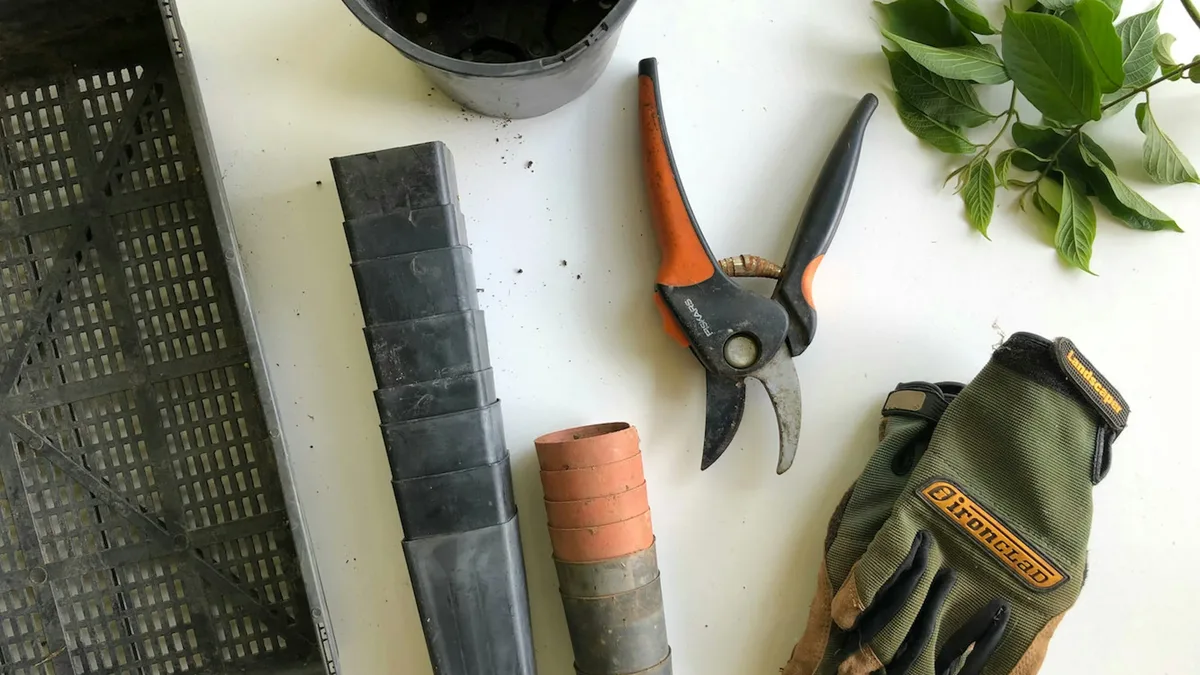
Slotting a plastic nursery pot inside a terracotta pot is a suggested method to retain the classic style while improving plant health. Durable nursery pots from professional suppliers are recommended for their extra drainage holes.
Terracotta in Cold Climates
In USDA zones 3-6, which are cold and wet, standard terracotta poses a different risk. The porous material absorbs water that expands when frozen, risking cracks or shattering. For these climates, high-fired, frost-proof terracotta is the recommended alternative.
Emma, previously editor of Modern Gardens magazine, regularly writes for the Royal Horticultural Society. A simple solution for keeping the desired look is to consider using a plastic liner inside terracotta pots to protect moisture-sensitive plants.