Spider Plant Plantlets Signal Fall Propagation and Indoor
Lengthening autumn nights trigger spider plants to produce flowers and plantlets.
Spider plants initiate their flowering and plantlet formation cycle as autumn nights lengthen. By late September, nights are longer than days across the country, and spider plants require at least three weeks of uninterrupted long nights and short days to produce their trailing stems of flowers and baby spiderettes.
Fall is the primary season for spiderette production, even though some indoor plants may occasionally send out runners. A room that goes dark after sunset naturally supports this key long-night requirement for reproduction.
Timing the indoor transition
Gardeners should bring spider plants indoors before cold nights cause damage. The safe temperature threshold for these tropical houseplants is around 45-50°F (7-10°C). In parts of the Midwest, this move may be necessary by mid-September. A first frost warning serves as a final deadline, not a cue, as plants may have already endured several damaging chilly nights. Standard care continues year-round, with additional steps in September for plants transitioning from porches or patios.
Indoor care to support healthy growth
Proper light, watering, and acclimatization help spider plants adjust indoors without stress. Bright, indirect light during the day is ideal, but midday sun through glass can scorch leaves. Watering frequency should be reduced as the house cools, allowing the soil to dry slightly between waterings.
Acclimatization involves moving the plant to light shade for a few days, then to deeper shade, before placing it in its final bright, indirect light spot indoors. A few yellow leaves after the move are normal. Once settled, keep plants a few feet back from drafty windows. Crucially, indoor lighting that stays on until midnight can disrupt flowering and plantlet formation by preventing the long dark periods the plant needs.
Spider plant feeding should taper off in September as growth slows with fading light. Heavily fertilized plants tend to produce fewer plantlets. Leftover fertilizer salts can also cause brown, crispy leaf tips. Flushing the soil with plain water before winter helps rinse away this salt buildup. Using rainwater or distilled water for watering can prevent leaf tip browning caused by sensitivity to fluoride and chlorine in tap water.
Pest prevention and management
Indoor conditions can encourage pest buildup. Common pests include spider mites, which cause fine pale stippling and sometimes faint webbing, whiteflies, and soft brown scale. Regular inspection is key. Tip the pot sideways to check the undersides of arching leaves, and slide the root ball out to examine drainage holes.
Light infestations can be knocked back with a hard rinse using a hose. For heavier infestations, a ready-to-use insecticidal soap spray is recommended, which only kills on contact. Both sides of every leaf must be thoroughly coated. Test the soap on a few leaves first and wait about a week before treating the whole plant to avoid slow-developing soap injury.
Propagating spiderettes successfully
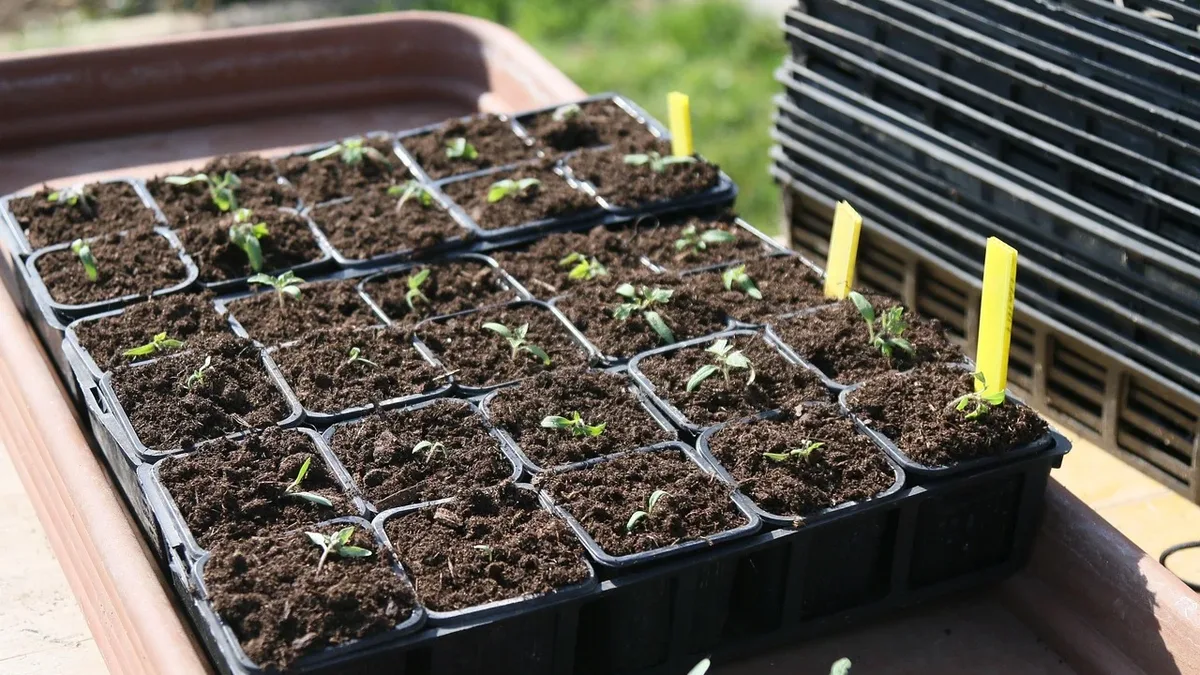
By late fall, a spider plant brought in clean and kept in dark evenings is likely to produce a fresh trail of plantlets. These spiderettes can be rooted in a soilless medium. A peat and perlite blend suitable for seedlings and cuttings is recommended.
A propagation method involves placing a small pot beside the mother plant, resting the plantlet on the soil, and securing it with a bent paper clip until rooted before cutting the runner. Nursery pots can help monitor root development. The rooting medium should be kept evenly damp but not soggy. Do not feed newly potted plantlets for four to six months after potting. Each of these plantlets can grow into a new spider plant.