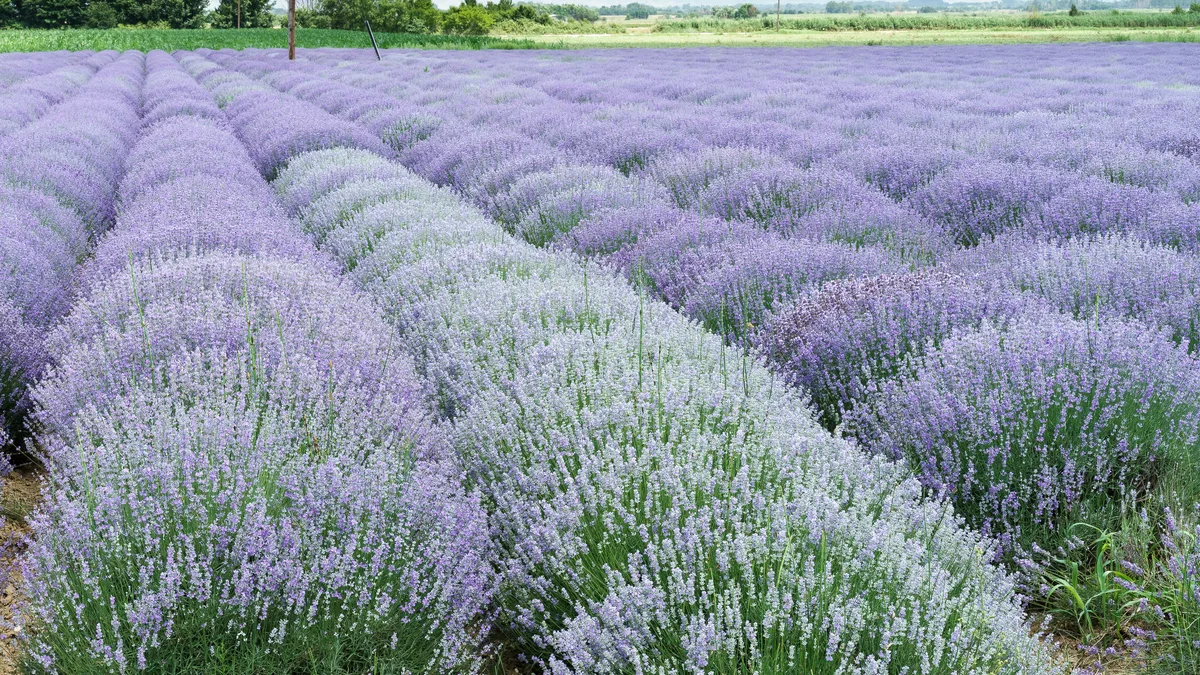
Lavender
| Country of origin | Mediterranean region |
|---|---|
| First documented | Ancient times (circa 2500 years ago) |
| Original use | Aromatic, medicinal, and culinary herb |
| Position | Full sun |
| Soil | Well-drained, moderately fertile, alkaline to neutral |
| Hardiness | USDA zones 5 to -9 (varies by species) |
| Pruning | Late summer after flowering |
| Propagation | Cuttings or seed |
Origin and history
Lavender is native to the Mediterranean region, North Africa, and parts of southwestern Asia. Its use by humans dates back thousands of years, with documented evidence from ancient civilizations. The ancient Egyptians employed lavender in mummification processes and for perfumery. The Romans utilized lavender extensively for bathing, cooking, and scenting their homes and clothes. Its name derives from the Latin *lavare*, meaning "to wash," reflecting this historical use. Throughout the Middle Ages, it was grown in monastery gardens for medicinal and antiseptic purposes. By the 17th century, lavender was established as a commercial crop in England, particularly for the production of perfume.
What it was bred for
Lavender was historically cultivated for its aromatic and medicinal properties, not primarily for ornamental display. It was bred and selected over centuries to enhance the potency of its essential oils, which are concentrated in the flowers. These oils were sought for their antiseptic and anti-inflammatory qualities in traditional medicine. The plant was also bred for use in soaps, perfumes, and potpourris to provide a long-lasting, clean fragrance. In culinary contexts, certain varieties were selected for a sweeter, less camphorous flavor profile for use in herbs de Provence and baking. Over time, breeding efforts have also focused on improving hardiness in different climates and extending the range of flower colors, primarily within shades of purple, blue, and white.
Life cycle
Lavender is a perennial woody shrub that can live for 10-15 years or more under ideal conditions. It enters a period of dormancy during the winter months, with growth resuming in early spring as temperatures rise. Flower buds begin to form in late spring, with the primary blooming period occurring in mid-summer, typically from June to August depending on the climate and variety. After flowering, seed heads mature and can be left to self-sow or be collected for propagation. The plant's woody base becomes more pronounced with age, and it requires annual pruning after flowering to maintain a compact shape and prevent legginess. In late autumn, growth slows significantly as the plant prepares for winter dormancy.
Character and appearance
Lavender forms a rounded, bushy shrub composed of many upright stems arising from a woody base. Its foliage is characterized by narrow, linear leaves that are typically gray-green to silvery-green in color due to a dense covering of fine hairs. The flowers are borne on long, slender, leafless stalks that rise above the foliage. These small, tubular flowers are densely arranged in whorls, forming interrupted spikes at the top of each stem. The most common flower colors are various shades of violet and blue, but cultivars also offer pink, white, and near-mauve blooms. The entire plant is highly aromatic, releasing its distinctive, clean scent when the leaves or flowers are brushed or crushed.
Pros and cons
A significant pro is lavender's exceptional drought tolerance once established, requiring minimal watering in well-drained soils. It is a superb pollinator plant, attracting bees, butterflies, and other beneficial insects throughout its long blooming period. The plant's aromatic foliage is also notably resistant to deer and rabbit browsing. A major con is its intolerance of poorly drained, wet, or heavy clay soils, which quickly lead to root rot and plant death. The woody base can become bare and leggy over time if not pruned correctly and annually, resulting in an unattractive, splayed appearance. Many gardeners regret planting lavender in humid climates, as high humidity and excessive rainfall promote fungal diseases that can devastate the plant.
Who it suits
Lavender suits gardeners in regions with Mediterranean-like climates characterized by hot, dry summers and mild, wet winters. It is ideal for xeriscaping or low-water landscape schemes due to its drought resistance. The plant suits those seeking a low-maintenance perennial for sunny borders, herb gardens, or rockeries, provided the soil is amended for excellent drainage. It is well-suited to gardeners interested in supporting pollinators and creating habitats for beneficial insects. Lavender is a good choice for individuals who wish to harvest flowers for drying, culinary use, or simple home crafts like sachets. It does not suit gardeners with consistently wet, clay-heavy soils or those living in areas with high humidity and frequent summer rainfall.
Latest Lavender news
Latest reporting
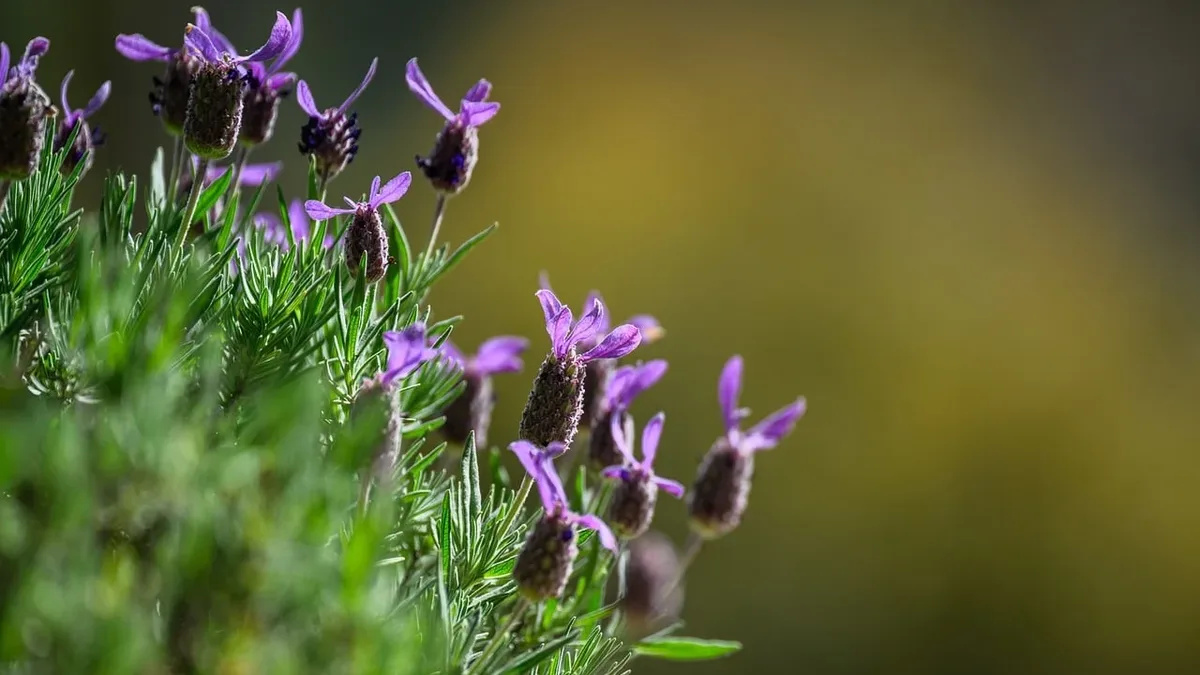
Lavender Care Tasks for September
Five simple September tasks for lavender plants, including light pruning and drainage checks, to ensure healthy growth and fragrant blooms next...
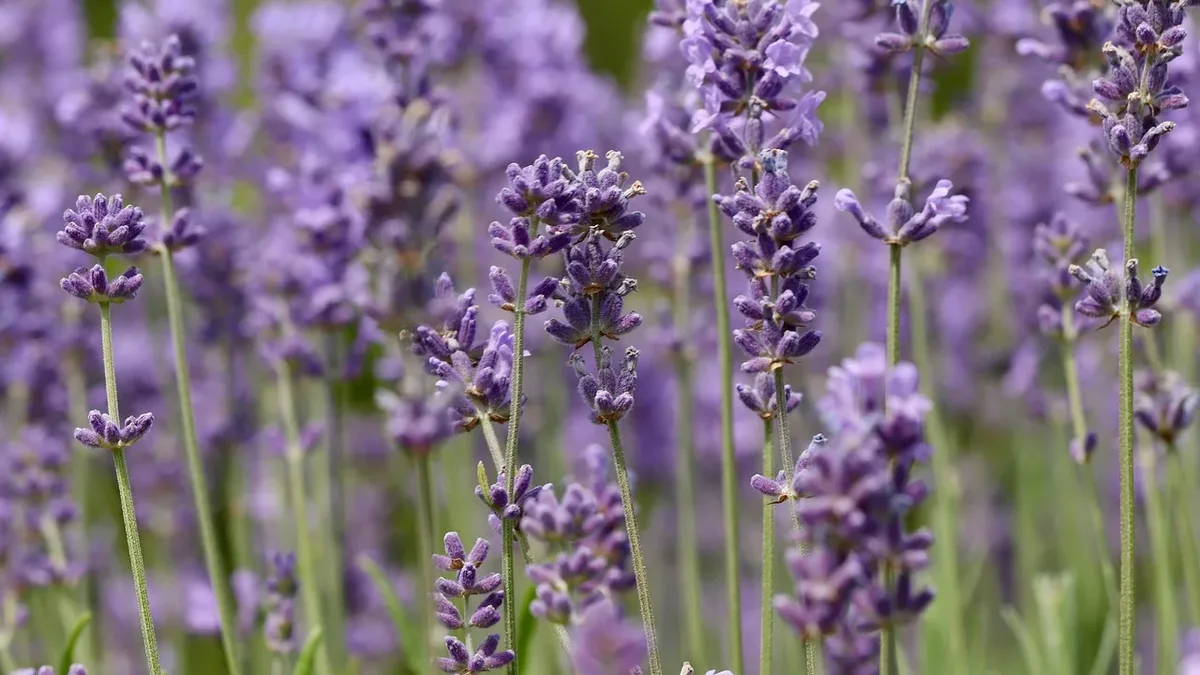
Avoid These 7 Lavender Growing Mistakes
Common errors in watering, sunlight, soil, and pruning can damage lavender plants. A report outlines how to prevent these issues for healthier growth.