Avoid These 7 Lavender Growing Mistakes
Common errors in watering, sunlight, soil, and pruning can damage lavender plants. A report outlines how to prevent these issues for healthier growth.
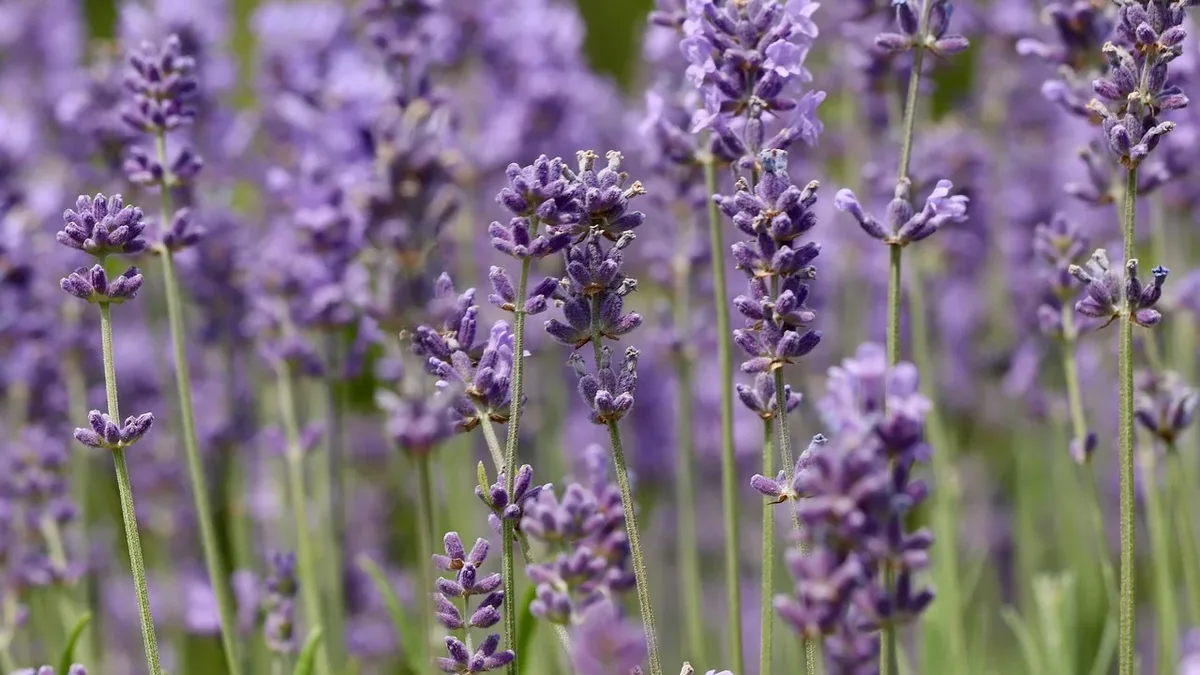
Lavender plants can suffer from woody growth, lack of vigor, or even die in a single season due to common cultivation errors, according to a report from The English Garden. The publication, citing senior content writer Niamh Collins, states that many problems are preventable if the plant is given Mediterranean-like conditions: dry, sunny, and free-draining.
Many gardeners mistakenly treat lavender like a moisture-loving perennial. Depriving it of sunshine or overwatering an established plant can threaten its compact shape and strong growth. When placed in optimum conditions, however, lavender is a rewarding garden addition that is adored by pollinators.
Overwatering and Poor Drainage
Overwatering is one of the most common mistakes, especially during summer. Lavender is accustomed to dry conditions, and its roots do not perform well in consistently wet soil. The risk of root rot is highest in winter.
Newly planted lavender needs water to establish itself. Once settled, it requires little supplementary watering. For lavender in containers, the soil should be allowed to dry out between waterings. The report suggests improving soil drainage with grit or organic matter.
Planting lavender in heavy clay soil that holds moisture can also lead to weakened growth. For gardens with compacted or naturally wet soil, improving drainage with horticultural grit or using a raised bed is advised.
Insufficient Sunlight and Incorrect Pruning
Lavender needs sunlight to produce its best growth and flowers. If deprived of light, the plant can become stretched and sparse. The report recommends a location that receives at least six hours of direct sunlight during the growing season. Sunny borders, raised beds, gravel gardens, or south-facing containers are ideal.
Pruning errors are particularly damaging. Aggressive pruning that cuts deep into old, woody stems can prevent new growth, as lavender does not regenerate from old wood. All cuts should be made within the leafy part of the plant.
Conversely, leaving lavender unpruned can also cause problems. Without regular trimming, the plant can become woody and untidy, with new growth concentrated on the outside and a bare centre. The report advises pruning at least once a year, never cutting completely into bare wood, to maintain a compact shape.
Overfeeding and Container Neglect
Lavender thrives in poor soil and does not need rich feeding. Overfeeding, particularly with nitrogen-heavy fertilizers, can promote soft, leafy growth at the expense of flowers and fragrance. It can also make the plant more susceptible to winter damage. A light application of a general-purpose fertilizer in spring is sufficient.
Neglecting lavender grown in containers is another pitfall. Potted plants cannot access ground moisture and nutrients, so they require more attention than those in the ground. They need careful watering, occasional feeding, and eventual repotting into a larger container with fresh, free-draining compost to prevent becoming root-bound.
The report was published on 15 August 2026.