Six Ways to Reuse Old Tomato Vines in the Garden
Gardening Know How details six methods for recycling spent tomato plants, from creating ash fertilizer to crafting temporary trellises, while emphasizing
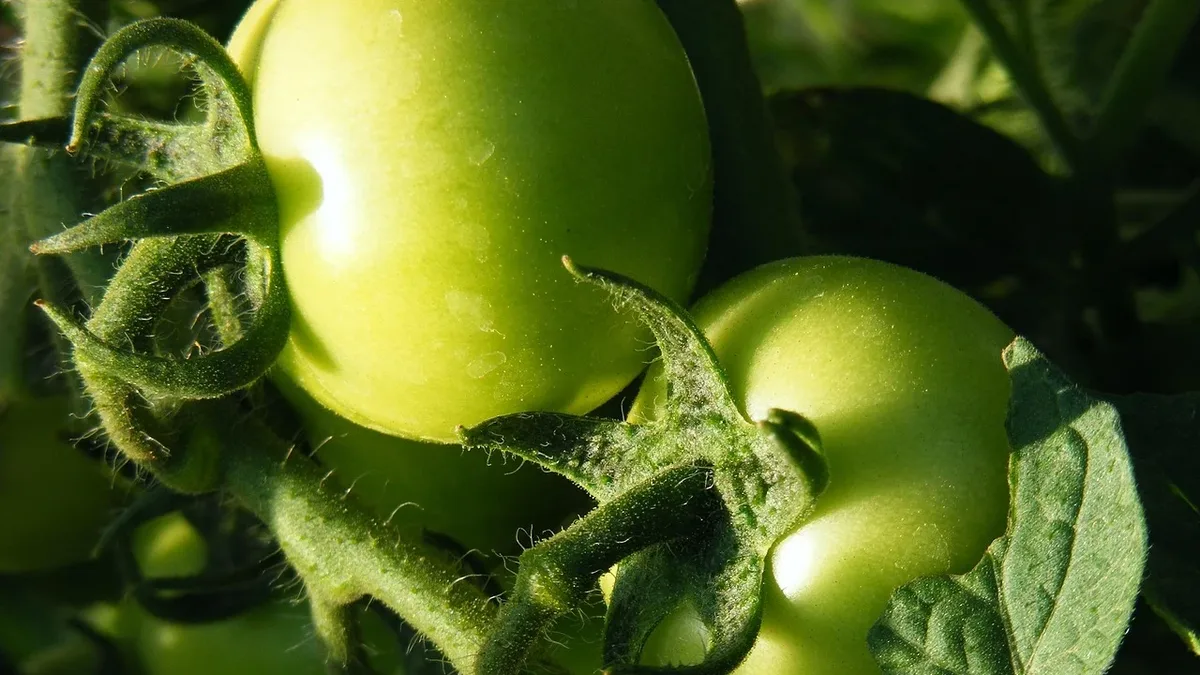
Gardeners can give end-of-season tomato vines a second life instead of sending them to the compost or curb. The source, Gardening Know How, outlines six practical ways to recycle this material, provided the plants are free of persistent diseases.
Only clean plant material should be repurposed. Late blight and powdery mildew die with the plant, but early blight and Septoria leaf spot can linger on dead stems and survive in a cold compost heap. Sorting vines by health is the essential first step.
Burn the Dry Vines for Ash
Bone-dry vines burn cleanly to produce garden ash. This ash contains potassium and calcium and has a liming effect that can raise soil pH in one season. The source advises checking local burn regulations and suggests using a contained burn can for safety. Apply the ash thinly, using no more than a five-gallon bucket's worth per 1,000 square feet of nearly neutral soil. Avoid using it on acid-loving plants like blueberries and skip the potato bed, as higher pH favors scab.
Char Stems to Make Biochar
Charring vines through oxygen-restricted pyrolysis creates biochar, which retains carbon and a porous structure beneficial for soil. The source notes that thin tomato stems yield only small amounts, so this method works best as an addition to a burn of woodier prunings. The finished char must be crushed and pre-charged by soaking in compost or diluted fish emulsion for several weeks; raw biochar will initially draw nutrients from the soil.
Bury Chopped Vines in a Trench
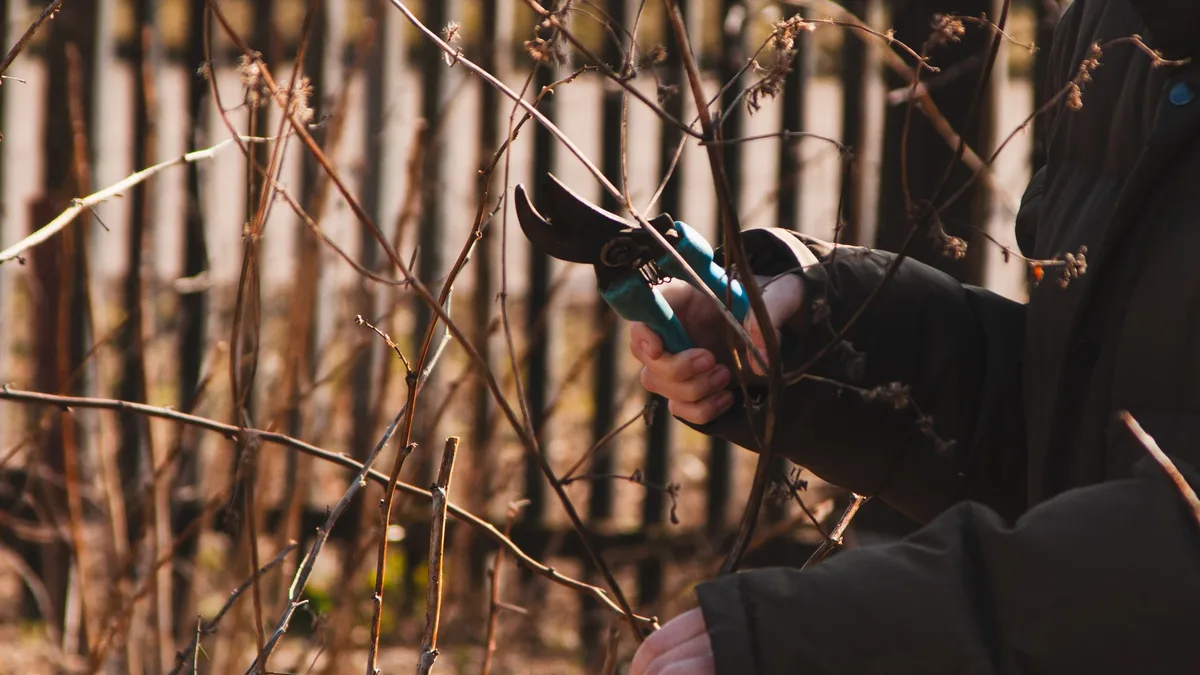
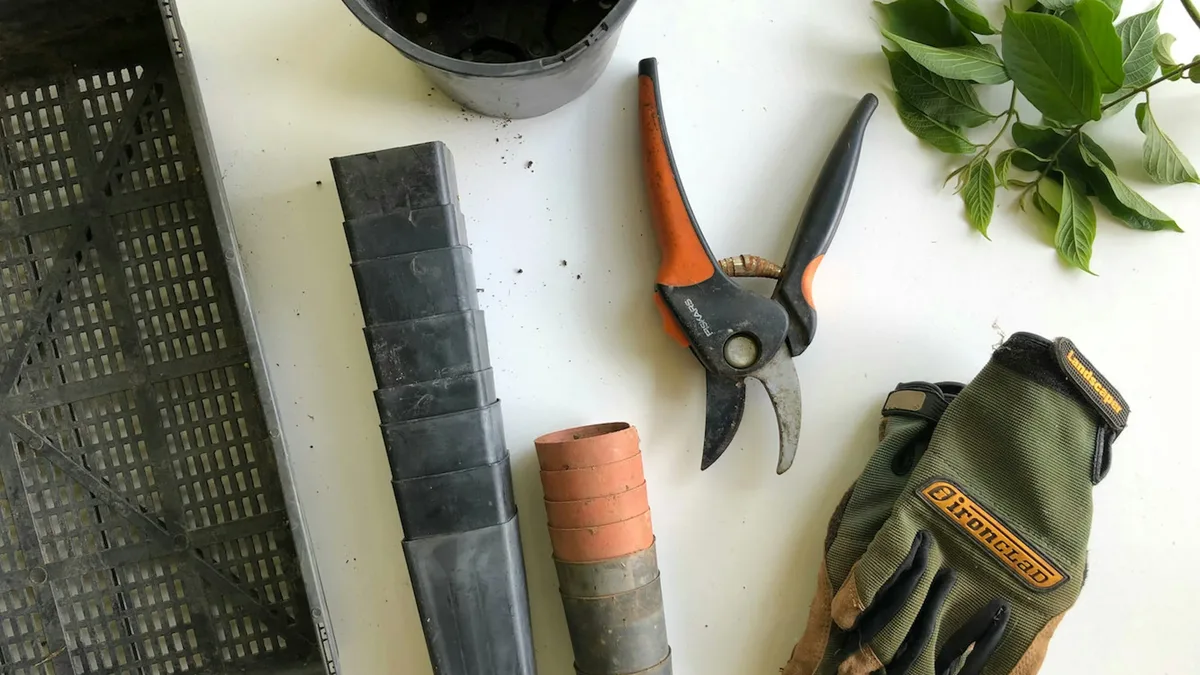
Burying chopped vines in a 12-inch deep trench allows soil biology to break them down efficiently. Using a tool like a bypass lopper to chop the thick basal stems helps the material pack flat and decompose evenly. Crucially, never bury tomato debris where tomatoes, peppers, eggplant, or potatoes will grow next season, as early blight and Septoria persist. A two-to-three-year rotation away from these solanaceous crops is standard. Suitable burial sites include beds for brassicas, alliums, or beans.
Weave Stems into Trellises or Wreaths
Clean, supple main stems from indeterminate tomato plants can be woven into temporary trellises or decorative wreaths. The source recommends letting stems dry in the sun for an hour before coiling them tightly, as they shrink while curing and become brittle. A woven trellis is a summer-only object, while a wreath may last longer indoors if kept dry. Bind the coil at multiple points with jute to prevent it from falling apart.
Use Vines as a Path Liner
Laying vines flat in garden walkways and covering them with wood chips or straw creates a weed-blocking mat. This method absorbs bulk material effectively. However, the damp mat can shelter gray field slugs over winter, so it should be kept on the path and away from bed edges. Also, avoid using this method on paths bordering next year's nightshade crops, as rain splash from the mat can spread early blight.
**Steep Foliage for Pest Spray**
Clean tomato foliage can be steeped to create an anecdotal pest spray. The old kitchen method involves steeping two cups of chopped leaves in a quart of water overnight, then straining and diluting the liquid. Gardeners have historically used it against aphids and small caterpillars, though the source states "hard evidence is thin." Two strict rules apply: only use foliage from completely asymptomatic plants, as tomato mosaic virus can survive in debris and spread via contact, and never spray it on other nightshades. The finished solution should be kept away from pets and children and applied with a dedicated sprayer.
Heavily diseased plants should be bagged, left in full sun to kill pathogens, and disposed of with household trash.