7 Vegetables to Plant in September for Fall and Spring
Gardening Know How recommends seven vegetables to plant in September, including fast-growing greens for fall and hardy crops like garlic for spring.
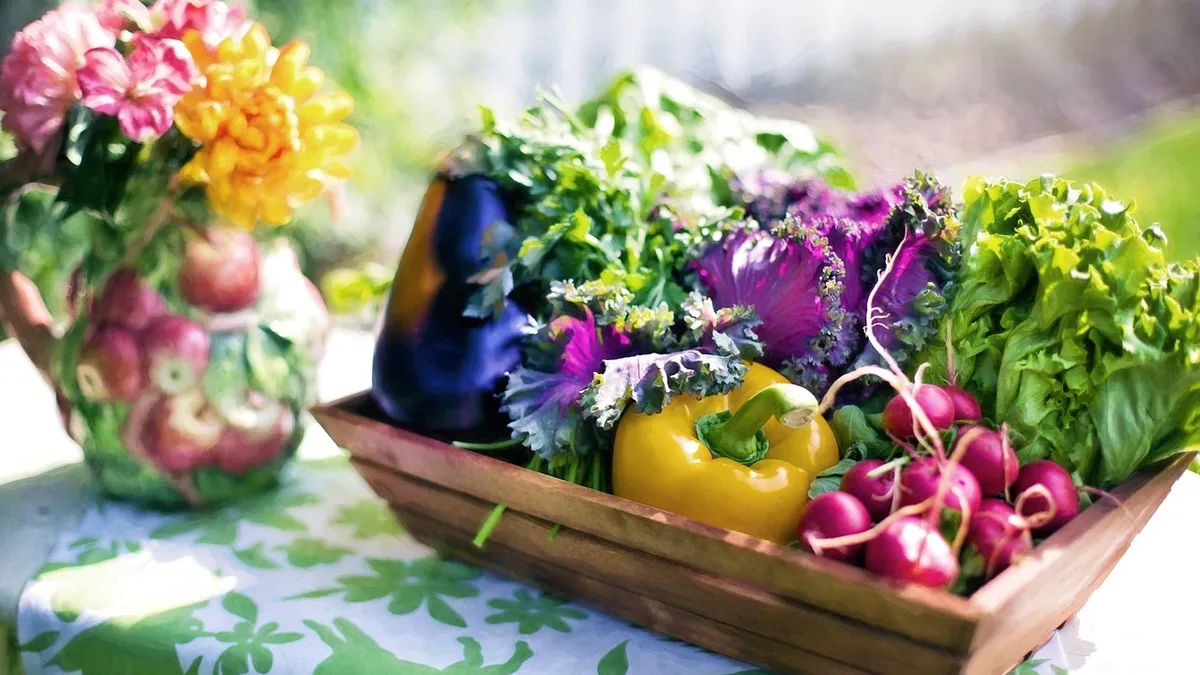
September does not have to end the vegetable gardening season. According to a guide from Gardening Know How, the warm soil and cooler air make it an ideal time to plant seven specific crops for harvests this fall and next spring.
Spinach and Kale for Cool Weather
Spinach thrives in cooler conditions and can bolt in summer heat. The source states that seeds sown now can yield baby greens in 30 to 40 days. Leaves can be harvested until freezing temperatures arrive. For a staggered harvest, sow seeds weekly. In milder winters, spinach can be overwintered with a light row cover and mulch to provide mature leaves in early spring.
Kale is noted for its cold hardiness. Cooler temperatures reportedly produce sweeter, more tender leaves. While seeds can be sown, transplants may be better for slower growth as winter approaches. Plants can be harvested into fall and winter. In mild winters, kale needs no protection, but a cloche or fabric is advised for continued harvesting past a freeze in colder areas.
Fast-Growing Radishes and Salad Greens
Radishes favor cool weather and mature rapidly. Seeds planted in September can yield a harvest in as little as three weeks, according to the source. Succession sowing is recommended for multiple harvests. Protection like a floating row cover and mulch may only be needed if temperatures drop significantly while roots are still developing.
A mix of cool-season leafy greens, such as arugula and mesclun, can be sown for a fall salad garden. Baby leaves may be ready within weeks. Using row covers, cloches, or cold frames can extend the harvest into winter. The source also suggests growing these greens in containers for easier protection.
Overwintering Crops: Garlic, Onions, and Beans
Planting garlic in September allows roots to establish over winter for a harvest the following summer. The guide instructs planting cloves pointy side up, several inches apart, and covering the soil with mulch for protection from frost. Harvest is indicated when foliage yellows and dies back, and it cautions against using grocery store cloves.
Hardy onion sets can also be planted now for a future harvest. The source advises choosing varieties meant to overwinter, planting them root side down with ample space, and adding mulch for winter protection. A row cover may be needed in extreme winters, with harvest expected next spring or early summer.
Broad beans, or fava beans, can be overwintered in gardens with mild winters. The recommendation is to sow cold-hardy variety seeds directly outdoors for an early spring crop. Mulch and a vertical structure for wind support are suggested, with row covers or cloches for protection during unexpected cold snaps.
Essential Fall Gardening Tips
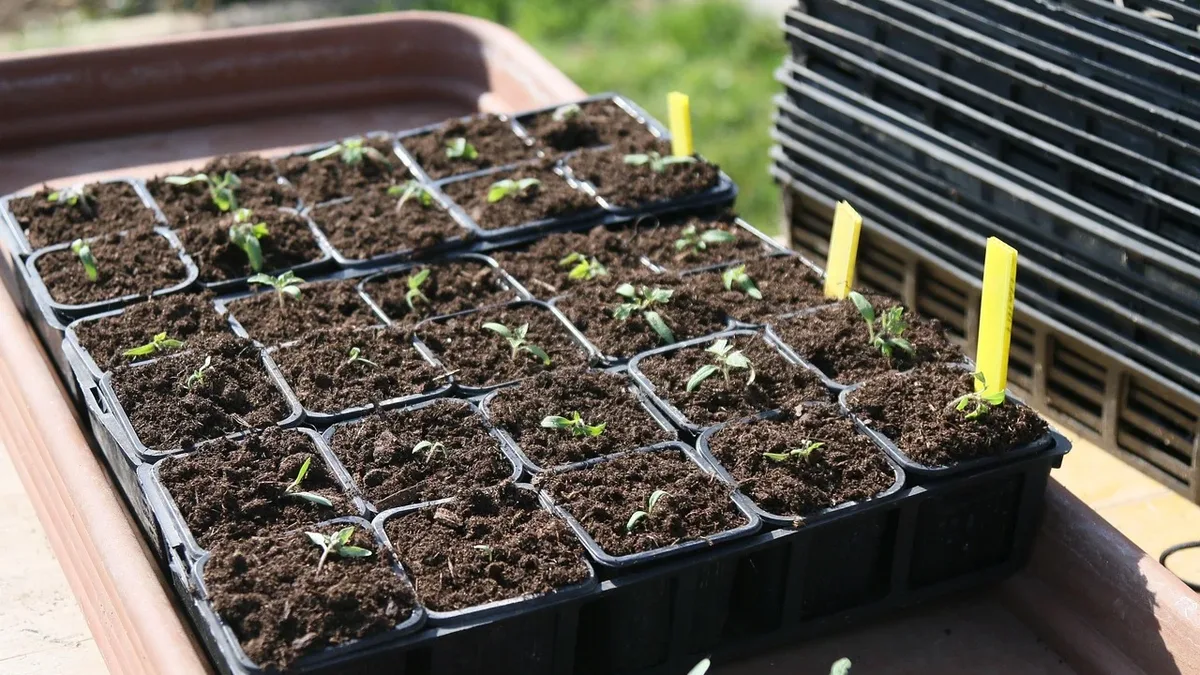
The source emphasizes soil preparation for fall planting. This involves removing spent crops and weeds, adding compost or organic matter, and ensuring the soil is not compacted and drains well.
Regular watering is important for seedlings and young plants, even as general garden watering eases in fall. Container plants are noted to need more frequent watering. Gardeners are advised to monitor weather closely and use row covers, old sheets, cloches, or movable containers to protect plants from early or unexpected frosts.
Writer Mary Ellen Ellis, who has gardened for over 20 years, contributed the guide. The final note reiterates that with preparation and protection, the vegetable garden can continue producing long after summer ends.