Seven Unusual Bulbs to Plant in September for Spring
Gardening Know How recommends seven lesser-known spring-flowering bulbs to plant in September, including crocus, allium, and snowdrops, for unique color
Gardeners looking beyond tulips and daffodils have seven unusual bulb choices for September planting. According to Gardening Know How, these selections offer earlier blooms, unique shapes, and added benefits for pollinators.
Early Bloomers: Crocus and Snowdrops
Crocuses are among the first flowers to bloom, often pushing through snow in late winter. Suitable for USDA zones 3 through 8, they should be planted pointy-end up, three to four inches deep, in well-draining soil. Let the foliage die back naturally to fuel the next year's growth.
For the very earliest spring flowers, snowdrops are the choice. Their delicate white bells emerge even with snow on the ground. They thrive in zones 3 to 8, preferring shady, wooded areas. Plant them two to three inches deep in moist, well-draining soil in early fall.
Structural Interest: Allium and Fritillaria
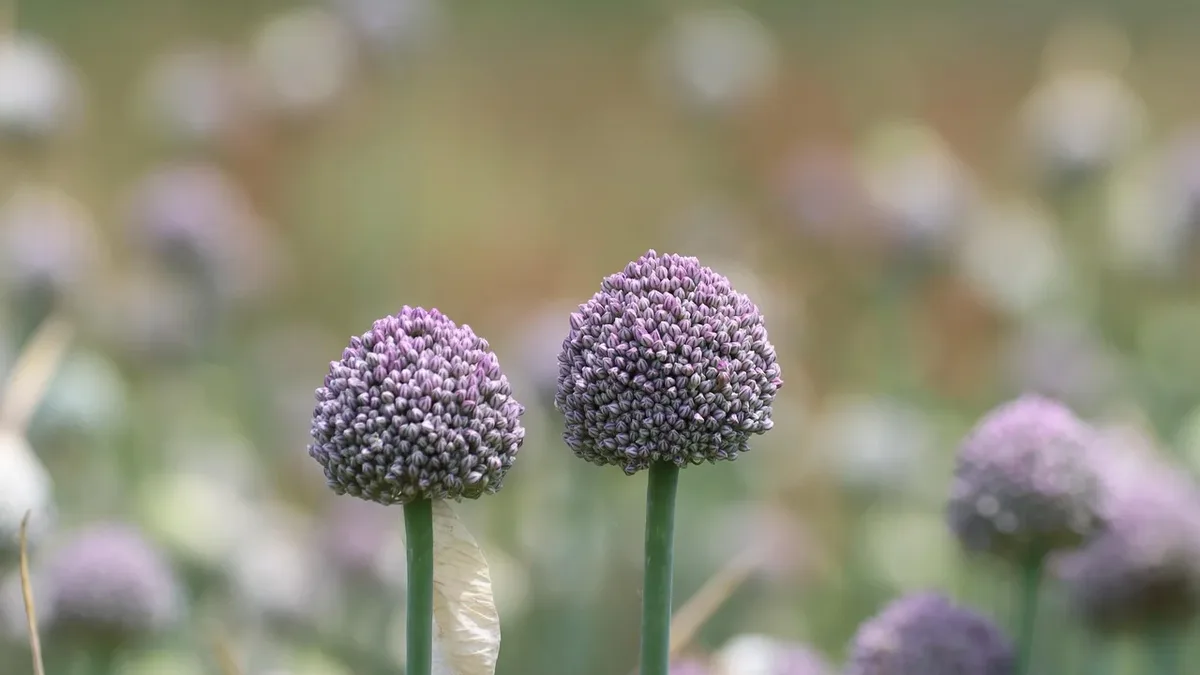
Ornamental alliums provide globe-like purple flower clusters on tall stems in late spring. They grow in zones 3 through 8 and are typically resistant to deer and squirrels. Plant each bulb three to four times as deep as its length in September or October.
Fritillaria offers unique, hanging, bell-shaped flowers, sometimes in a checkerboard pattern, in mid-to-late spring. Generally hardy in zones 4 through 8, they require good drainage. Planting depth varies by variety but is typically several times the bulb's length.
Showy Color: Ranunculus and Camassia
Ranunculus produces rose-like flowers in early to mid-spring. They are perennial in zones 8 through 10 but are often grown as annuals elsewhere. In warmer climates, plant the bulbs with their 'claws' down, one to two inches deep, in September. In cooler areas, wait for spring or use protected containers.
Native to North America, Camassia, or wild hyacinth, blooms with star-shaped flowers in late spring. It tolerates wetter soil than most bulbs, making it suitable for rain gardens. Plant these bulbs four to six inches deep in September or October in zones 4 through 8.
Ground Cover: Spring Starflower
The spring starflower is a low-growing, fragrant bulb that forms dense, weed-suppressing mats. Reaching only three to six inches tall, it bears star-shaped blue, purple, or white flowers. Hardy in zones 5 through 9, it has naturalized in parts of North America. Mary Ellen Ellis, the article's author, notes it "smells amazing while doing it."
The source stresses checking specific planting times for your growing zone before starting. Letting foliage die back naturally is a common requirement for all these bulbs to ensure energy return for the following season.