Winter Flowering Bulbs Planting Guide September
September is the ideal time to plant winter and spring-flowering bulbs like snowdrops and crocuses for colour from late autumn.
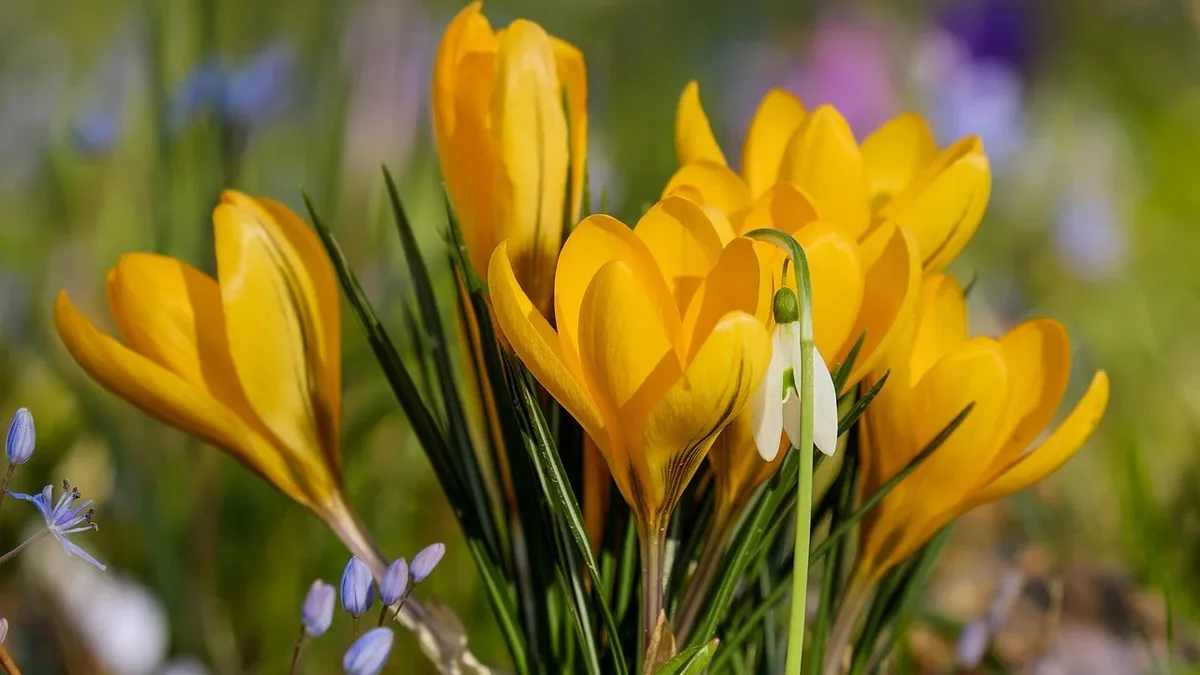
Winter-flowering bulbs bring colour, fragrance, and interest from late autumn to early spring. September is the recommended time to plant spring-flowering bulbs for colour from late winter to early summer, allowing several months for root establishment before flowering.
Snowdrops, winter aconites, and Cyclamen coum are ideal for woodland-style planting beneath deciduous trees. Iris reticulata and crocuses thrive in open borders, rockeries, and gravel gardens. Crocus chrysanthus, or snow crocus, displays colour from February to March and is excellent for naturalising in grass. Iris unguicularis, the Algerian Iris, tolerates mild winters but needs protection from harsh conditions in sheltered positions, borders, or containers.
How to plant snowdrops and crocuses
Crocus should be planted in well-drained soil in full sun or light shade, 5-8cm deep. Snowdrop bulbs should also be planted in autumn, 5-8cm deep, in humus-rich, well-drained soil.
Snowdrops prefer partial shade and grow well beneath deciduous trees and shrubs. They receive winter and spring sunshine before the canopy develops.
Planting for impact and natural growth
Bulbs should be planted in groups or natural-looking drifts for a showy statement. Snowdrops can be grown in containers but look most natural in informal drifts. Snowdrop clumps can be divided and replanted 'in the green' after flowering while the foliage is still green.
Established crocuses can multiply naturally, forming larger clumps over time. For the best visual effect, plant them in clusters.
| Bulb Type | Recommended Planting Style |
|---|---|
| Daffodils | Clumps of 10 or more, staggered layout |
| Crocus | Clusters of 10 or more |
Care and maintenance after planting
Winter-flowering bulbs require little maintenance once established. The most important task is to allow foliage to die back naturally after flowering to replenish bulb energy reserves.
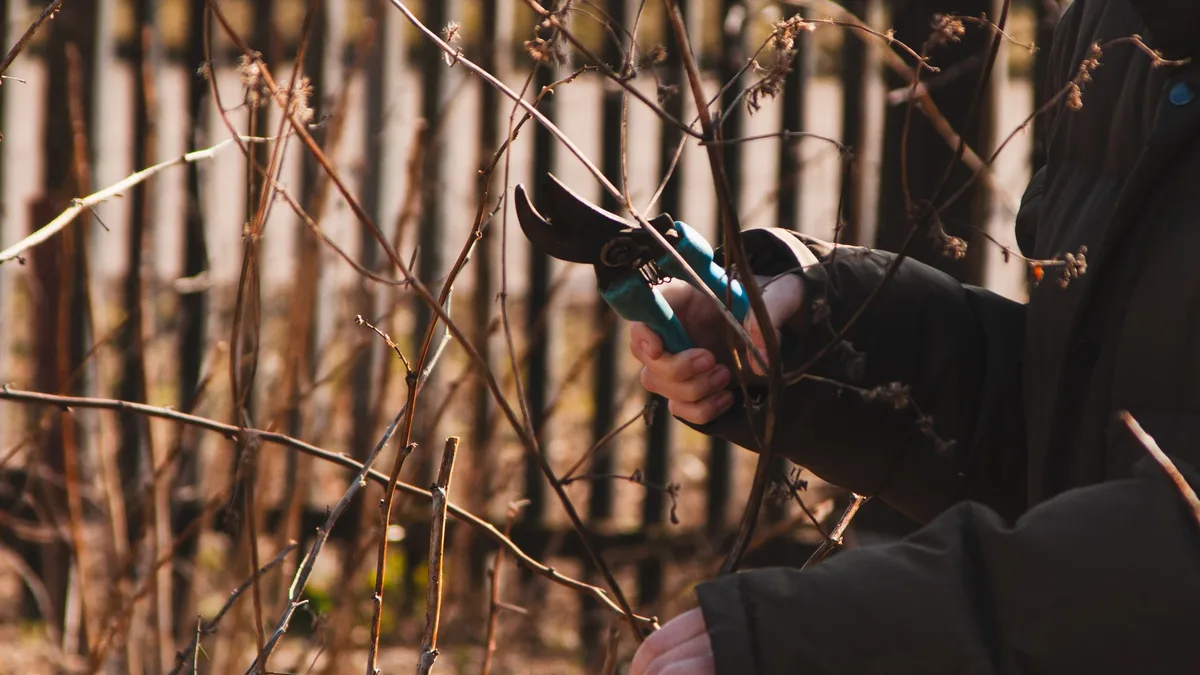
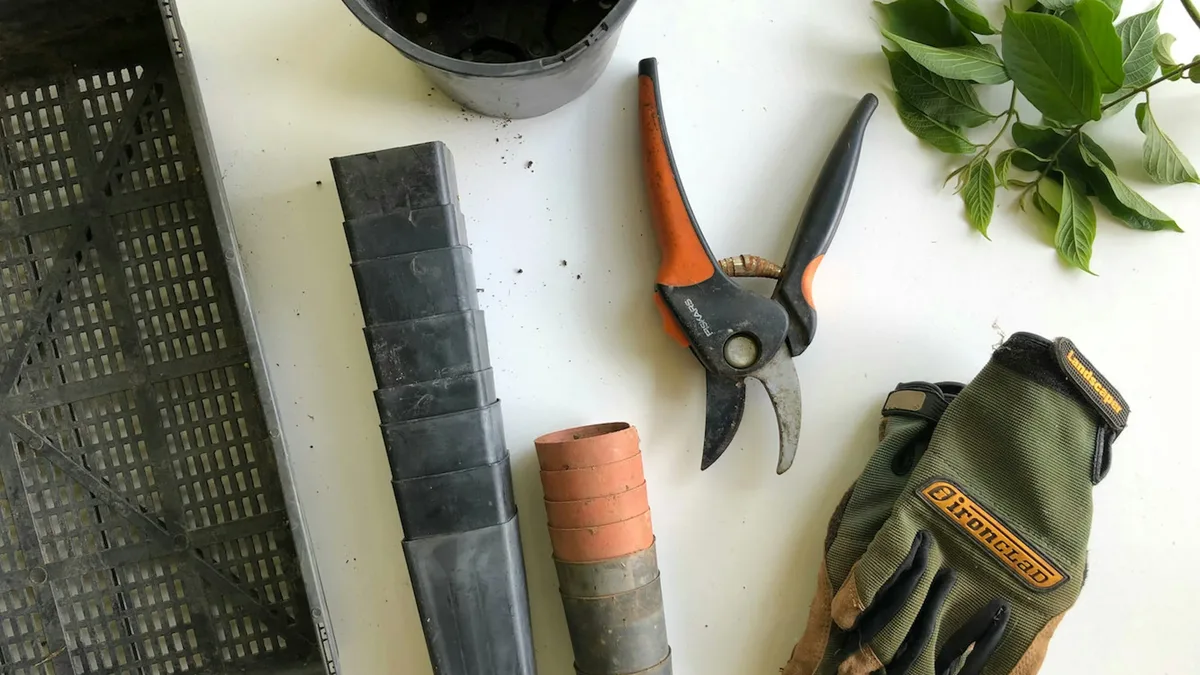
Deadheading with plant snips can prevent energy going into seed production, though it is not essential for many bulbs. Gardeners should monitor for slugs and snails, especially around young shoots. Bulbs should not be disturbed once established.
Other bulbs to consider for seasonal interest
Cyclamen hederifolium is technically a tuber. It prefers humus-rich, well-drained soil in partial or dappled shade and should be planted shallowly with the growing point near the surface. Alliums should be planted at a depth of about three times the bulb size in well-drained soil; they attract bees and butterflies, and their blooms can be picked and dried for indoor use.
Several bulbs are available for purchase from retailer Crocus.
| Bulb | Type | RRP |
|---|---|---|
| Cyclamen hederifolium | Tuber | £7.99 |
| Crocus tommasinianus | Bulb | £7.99 |
| Iris unguicularis | Bulb | £12.99 |
Allow foliage to die back naturally after flowering to replenish bulb energy reserves.