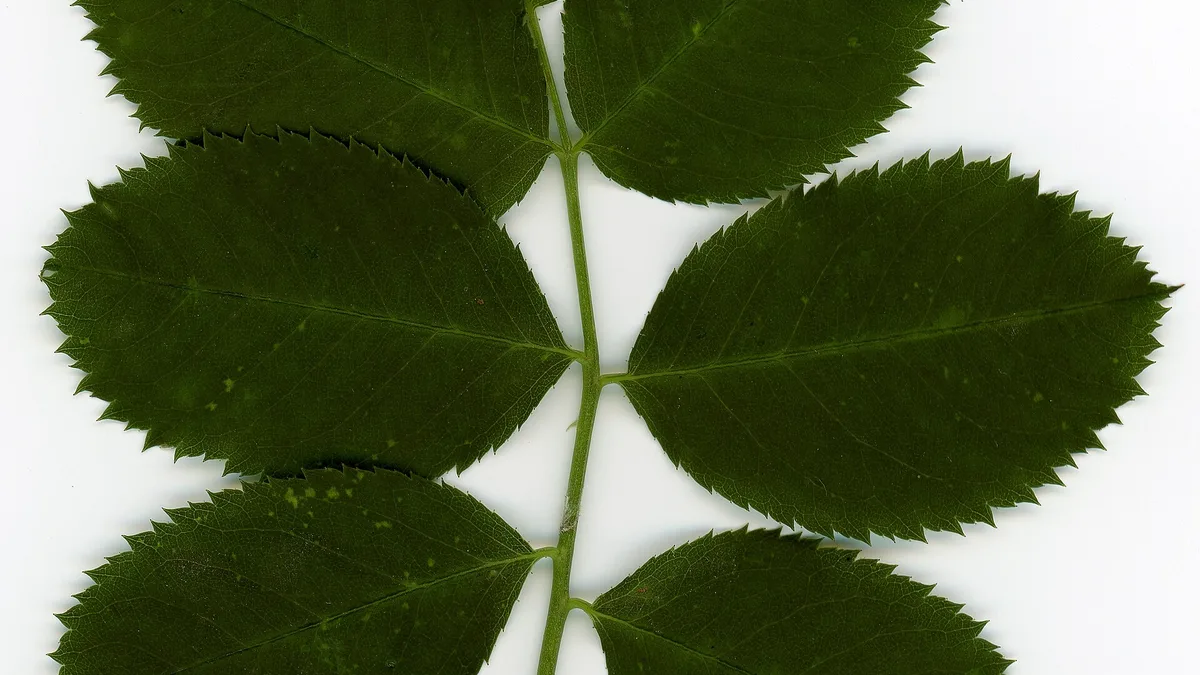
Roses
| Country of origin | Asia, Europe, North America, and northwest Africa |
|---|---|
| First bred | Cultivated since antiquity, with major breeding from the 18th century |
| Original use | Ornamental garden and cut flower |
| Position | Full sun |
| Soil | Fertile, well-drained, neutral to slightly acidic |
| Pruning | Late winter or early spring, timing varies by rose class |
| Hardiness | Varies by type, from USDA zones 3 to 11 |
| Bloom time | Late spring to fall, varies by type and climate |
Origin and history
Roses are an ancient genus of flowering shrubs with a complex and lengthy evolutionary history, originating across diverse regions of the Northern Hemisphere. The earliest fossil evidence of roses dates to the Oligocene epoch, approximately 35 million years ago. Cultivation of roses by humans began in Asia, with China being a primary center of early domestication several thousand years ago. Roses were also highly valued in the ancient civilizations of Persia, Greece, and Rome, where they were used for ornamental, medicinal, and ceremonial purposes. The significant breeding work that produced the vast majority of modern garden roses largely began in Europe during the late 18th and 19th centuries. This era saw the introduction of key species from Asia, such as *Rosa chinensis*, which brought repeat-blooming traits and revolutionized rose breeding.
What it was bred for
Roses have been selectively bred over centuries for a multitude of specific characteristics, extending far beyond their original wild forms. A primary breeding goal has been to enhance and diversify floral beauty, including expanding the range of petal colors beyond the ancestral pinks and whites to include deep reds, yellows, oranges, and purples. Breeders have intensely focused on developing specific flower forms, from single-petalled types to densely double, high-centered blooms ideal for cutting. Fragrance has been another critical target, with efforts to preserve or intensify the complex scents that many older varieties possess. Modern breeding also prioritizes disease resistance, particularly against common fungal pathogens like black spot and powdery mildew, to reduce chemical dependency. Furthermore, roses have been bred for growth habit, creating compact patio roses, sprawling ground covers, and vigorous climbers to suit different garden spaces. Some lines have been developed specifically for hardiness, allowing cultivation in colder climates where tender species would not survive.
Life cycle
Roses are perennial, woody shrubs that undergo a yearly cycle of growth, flowering, and dormancy in temperate climates. In spring, they break dormancy as soil temperatures rise, producing new leaves and stems from buds on existing canes or from the crown at the base of the plant. This vigorous vegetative growth is followed by the formation of flower buds, which develop into blooms typically from late spring through summer, with many modern varieties exhibiting recurrent cycles of bloom into autumn. After pollination, flowers may produce ornamental hips (seed pods), which mature in late summer or fall and can provide food for wildlife. As daylight decreases and temperatures drop in autumn, growth slows, and the plant begins to harden off in preparation for winter. During winter dormancy, the plant conserves energy, with deciduous varieties losing their leaves entirely, while evergreens may retain some foliage in milder climates. Pruning, typically done in late winter or early spring before new growth emerges, removes dead wood and shapes the plant to encourage healthy, flowering canads for the coming season.
Character and appearance
The appearance of roses is immensely varied due to extensive hybridization, but they share common structural elements. The plant's form ranges from low, compact mounds under one foot tall to towering climbers that can exceed twenty feet. Stems are typically armed with prickles (thorns) of varying size and density, which serve as a defense mechanism. Foliage is most often pinnately compound, with serrated leaflets that can be matte or glossy, and in colors from medium green to deep burgundy. The flowers themselves exhibit tremendous diversity in size, from petite one-inch blooms to grand exhibition types over five inches across, and in form, including single, semi-double, double, and quartered-rosette shapes. Color encompasses nearly every hue except true blue, with solids, blends, stripes, and picotee edges. Many varieties produce a notable fragrance, which can be described as fruity, spicy, musky, or reminiscent of classic "old rose." The overall character of a rose can be neat and tidy, suitable for formal borders, or robust and sprawling, ideal for naturalistic plantings.
Pros and cons
A significant pro of many modern roses is their prolonged and often repeat-blooming flowering period, providing color in the garden for months. Numerous cultivars also offer exceptional fragrance, adding a multi-sensory dimension to the landscape. The vast diversity in size, form, and color allows for a rose to be found for almost any garden application, from containers to large-scale landscaping. However, a major con is the susceptibility of many popular hybrid tea and floribunda roses to fungal diseases, particularly black spot and powdery mildew, which can defoliate plants and require proactive fungicide programs. Roses can also be heavy feeders and require consistent fertility and moisture to perform well, making them relatively high-maintenance compared to many other shrubs. Many varieties are not fully cold-hardy in colder zones and require winter protection, which can be labor-intensive. A common mistake is planting roses in poor, compacted soil with inadequate sunlight, leading to weak growth, poor flowering, and increased disease vulnerability. Gardeners often regret choosing disease-prone, high-maintenance varieties without the time or willingness to provide the necessary care.
Who it suits
Roses suit dedicated gardeners who enjoy the process of cultivation and are willing to invest time in seasonal tasks like pruning, feeding, and disease monitoring. They are ideal for those who prioritize floral display and fragrance above low-maintenance landscaping. Certain shrub and landscape rose varieties, bred for disease resistance and hardiness, suit novice gardeners or those seeking reliable performance with minimal intervention. Cutting garden enthusiasts often select hybrid tea or grandiflora types for their long, straight stems and classic bloom form, accepting the higher care requirements. Landscape designers frequently use groundcover and drift roses for mass plantings that provide color and suppress weeds with less individual attention. Roses are generally not suited for completely hands-off, xeriscaped gardens, deeply shaded areas, or locations where fallen petals and periodic leaf drop are considered undesirable litter.
Latest Roses news
Latest reporting
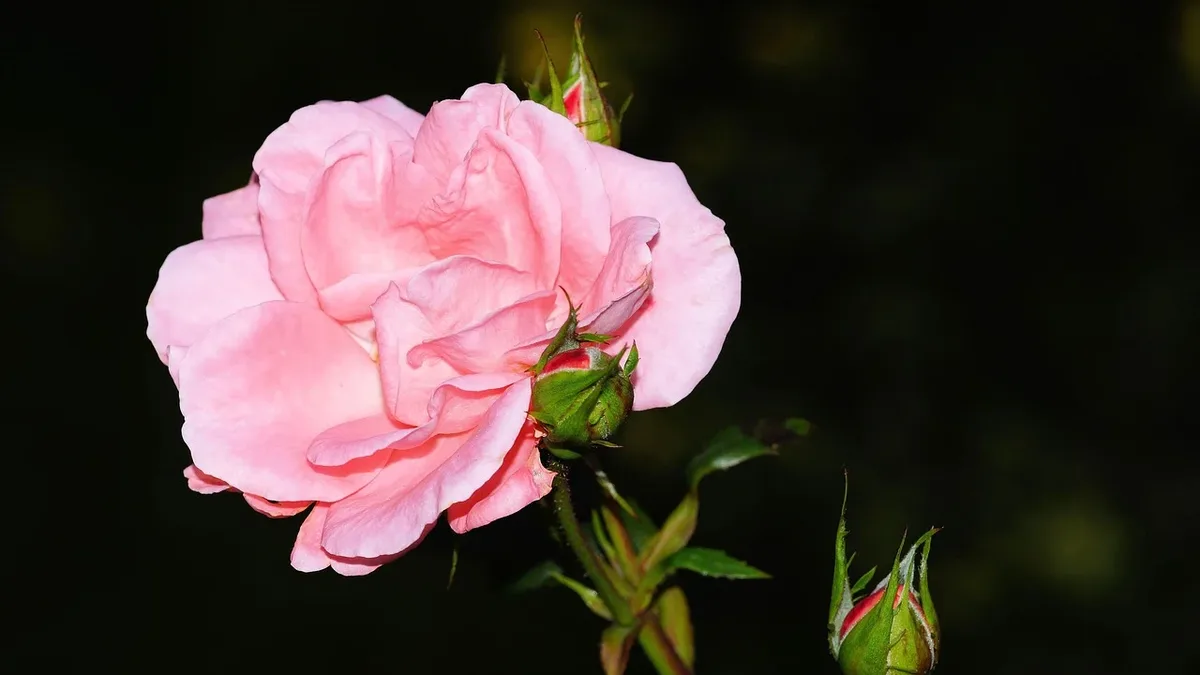
David J.C. Austin, Rose Breeder Chairman
David J.C. Austin, chairman of David Austin Roses, has passed away. He led the family firm for over three decades after joining in 1990.
Royal Botanic Garden Sydney
The Royal Botanic Garden Sydney is a 74-acre oasis in the heart of the city, featuring over 27,000 plants and an impressive number of rarities. A...