Perennial Alternatives to Popular Annual Flowers
Gardening Know How lists ten perennial plants that can replace common annuals, offering long-term blooms with less yearly effort.
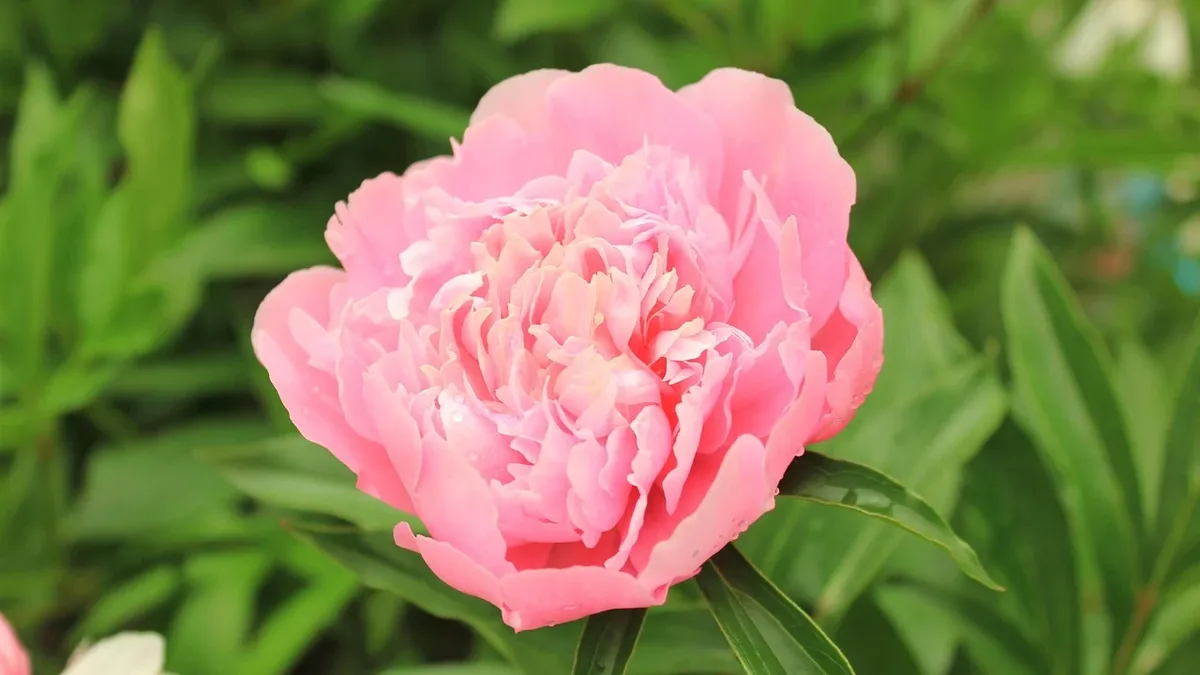
Gardeners can save time and money by swapping short-lived annual flowers for perennial alternatives. The website Gardening Know How details ten such plants that return year after year, reducing the need for seasonal replanting.
Sweet Pea
The annual sweet pea, Lathyrus odoratus, is beloved for its scent. Its perennial cousin, the everlasting sweet pea (Lathyrus latifolius), offers a different set of advantages. It is pest-resilient and grows well in poor soil, flowering from mid-summer until the first hard frost in USDA zones 5 through 9.
The trade-off is fragrance. Perennial sweet peas lack the strong scent of their annual relatives. They come in a range of colors from white to pink, magenta, and red. The site suggests growing a mix for a vibrant summer display.
Sunflower
While most sunflowers are annuals (Helianthus annus), perennial varieties exist. Helianthus maximiliani, or Maximilian sunflower, can grow six to eight feet tall. It produces yellow flowers from midsummer to frost and is suitable for zones 3 to 9.
For a shorter option, the site mentions Helianthus salicifolius. A specific cultivar, Autumn Gold Narrow-Leaved Sunflower, grows just one to two feet high. It blooms for a long season in zones 5 through 10.
Poppy
Annual poppies like Papaver rhoeas are fleeting. The perennial oriental poppy, Papaver orientale, offers more substantial flower power. It has larger blooms and a bigger root system.
These flowers last longer in a vase than annual poppies. Their seedpods dry well, and the buds are described as plump and fuzzy. Eden Brothers is cited as a source for oriental poppy varieties.
Cosmos
Gardeners familiar with annual Cosmos bipinnatus can try the perennial chocolate cosmos, Cosmos atrosanguineus. It produces deep red flowers all summer and is hardy in zones 9 to 11.
The plant grows to about 30 inches tall and is heat- and drought-tolerant. In cooler climates, it can be grown in a container and moved indoors for winter. The site notes its remarkable chocolate fragrance.
Foxglove
The common foxglove, Digitalis purpurea, is a biennial. Perennial types provide a more reliable show. Digitalis grandiflora, the large yellow foxglove, lives for around five years and flowers from June to August in zones 3 to 8.
Another perennial is Digitalis parviflora, the chocolate foxglove. It has rusty brown flower spikes and is suitable for zones 4 to 9. Seeds are reportedly available from Walmart.
**Black-Eyed Susan**
The perennial Rudbeckia fulgida is a long-lived alternative to annual or biennial Rudbeckia hirta. A standout cultivar is Rudbeckia fulgida ‘American Gold Rush’, which was named Perennial Plant of the Year in 2023.
This variety forms well-behaved mounds covered in yellow daisies. It is disease-resistant, attracts pollinators, and blooms until frost in zones 3 to 8.
**Candytuft**
Perennial candytuft, Iberis sempervirens, offers evergreen ground cover along with spring flowers. It blooms from March to June, typically with white flowers, and is hardy in zones 3 to 8.
The plant has woody stems, making it tough and drought-tolerant once established. It works well cascading over walls or raised beds.
**Coreopsis**
Coreopsis lanceolata is a perennial native to North America with spring blooms in zones 4 to 9. It is derived from the annual Coreopsis tinctoria.
Cultivars like Coreopsis lanceolata ‘Sunburst’ have been bred for more dramatic flowers. The plant is heat- and drought-tolerant and suitable for containers. Seeds are available from Eden Brothers.
**Baby’s Breath**
The perennial Gypsophila paniculata provides the airy, frothy effect of annual baby's breath without yearly planting. One useful variety is Festival Star, which grows to about 18 inches tall.
It blooms from late spring into early fall in zones 3 to 9. The plant has a long taproot, making it drought-tolerant, and does not require deadheading. It can spread to two feet wide.
**Marigold**
The article begins discussing the perennial Tagetes lemmonii as an alternative to annual French marigolds (Tagetes patula). It notes marigolds are often used to attract pollinators and lure aphids away from vegetables. The source text cuts off mid-sentence, so no further details on this specific perennial are provided.