Hosta Leaves Turning Brown: How to Diagnose and Fix Damage
Brown hosta leaves have multiple causes, from sun scorch and thirst to nematodes and disease. Correct diagnosis by reading the damage pattern is key to an effective fix.
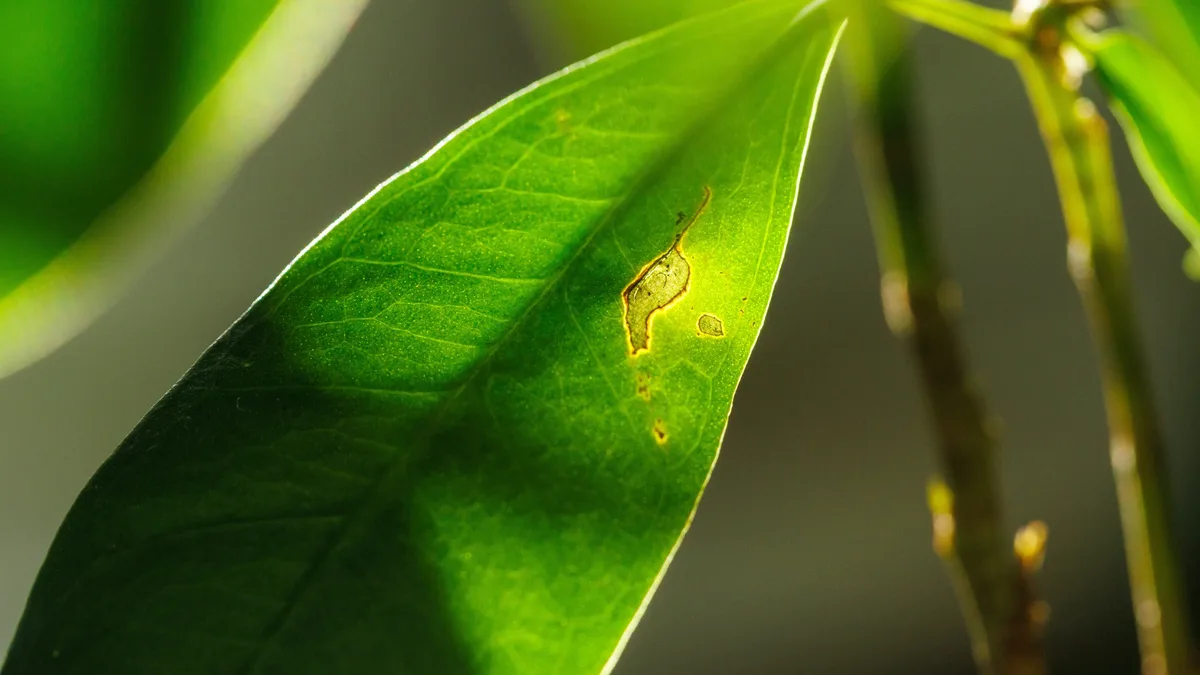
Brown edges on hosta leaves rarely have a single cause. Reading the specific pattern of damage is important, as treating the wrong problem wastes effort. This common complaint often arises after a hot spell, turning leaf margins papery and tan.
According to a report from Gardening Know How, what matters is where the brown appears, not how much there is. Some browning is just weather, while other cases stem from problems at the crown or inside the leaf tissue.
Sun Scorch and Plain Thirst
Afternoon sun is a usual suspect. Hosta foliage, built for filtered light, develops bleached patches between veins on the sun-facing side before the margin crisps. Blue-leaved types fare worst. Thirst causes more even browning right around the leaf rim. Shaded beds can dry out fast, especially under mature trees where surface roots compete.
Deep watering once or twice a week is better than a daily sprinkle. A soaker hose laid along the bed delivers water to the root zone instead of the foliage.
Salt and Fertilizer Burn
Uniform brown edging with no spotting typically points to salts. Sources include heavy fertilizer application, dog urine, or de-icing salt drift. Container-grown hostas show this burn soonest. Leaching the soil with plain water helps move salts past the roots. For containers, water until it runs out the drainage holes and empty the saucer.
The source advises using half the labeled rate of a slow-release fertilizer, as hostas are not heavy feeders.
Foliar Nematodes
Brown streaks running lengthwise between veins, with sharp, ruled-in edges, signal foliar nematodes. These roundworms feed inside the leaf, confined by veins, creating narrow bands that widen by late summer. A clump can look fine in June but become ragged by August.
No spray works once nematodes are inside. Remove affected leaves, bag them, and trash them. Nematodes travel in water films on leaves, making low irrigation beneficial. A badly infested plant should be dug out entirely, as the population overwinters in the crown and debris.
Anthracnose and Petiole Rot
Large tan spots ringed in dark brown, sometimes with centers falling out, suggest anthracnose. Warm, wet weather encourages this mainly cosmetic fungus. Thinning nearby growth to improve air flow helps.
Petiole rot is more serious. Caused by the fungus Agroathelia rolfsii, it yellows and browns leaves from the bottom up, collapsing stems at soil level. Look for a white fuzzy mat and tan pellets at the base. Infected plants must be removed with several inches of surrounding soil.
Can Damage Be Reversed?
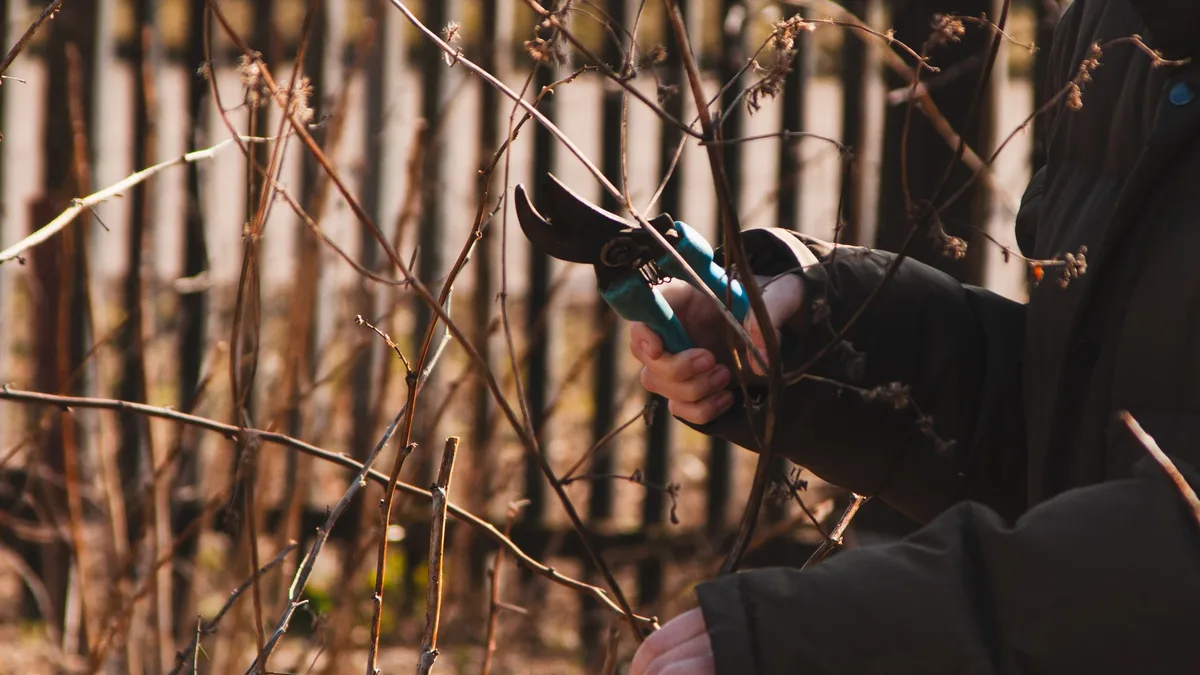
Brown tissue does not turn green again. Scorched damage is set for the season. Trimming the worst leaves at the base with cleaned bypass shears can tidy the plant. Correct the underlying cause, and new growth will emerge clean-within the same season for water and salt issues, or by next spring if the crown was affected.
Late-season browning may simply be natural dormancy. Yellowing that works through an entire clump is often just the plant shutting down.
**Setting Up a Better Season**
Placement is critical. Morning sun with afternoon shade suits most hostas; midday sun in hot climates invites scorch. Transplant in early spring or fall when re-establishment is easy. Where moving isn't possible, a temporary screen during the hottest weeks can help.
Apply two to three inches of mulch, kept a hand's width from the crown, to steady moisture and moderate root-zone temperatures. Clear old foliage in fall to remove overwintering trouble. Slug damage, which browns at the edges, is often mistaken for disease.
Note the year a hosta browns badly. The fix usually belongs to the following spring, before shoots emerge and while the plant can still be lifted. Nothing useful is done about it in September.