7 Drought-Tolerant Perennials for Early Fall Gardens
Gardening Know How recommends seven drought-tolerant perennial plants that maintain vibrant color and structure through early fall dry spells, detailing
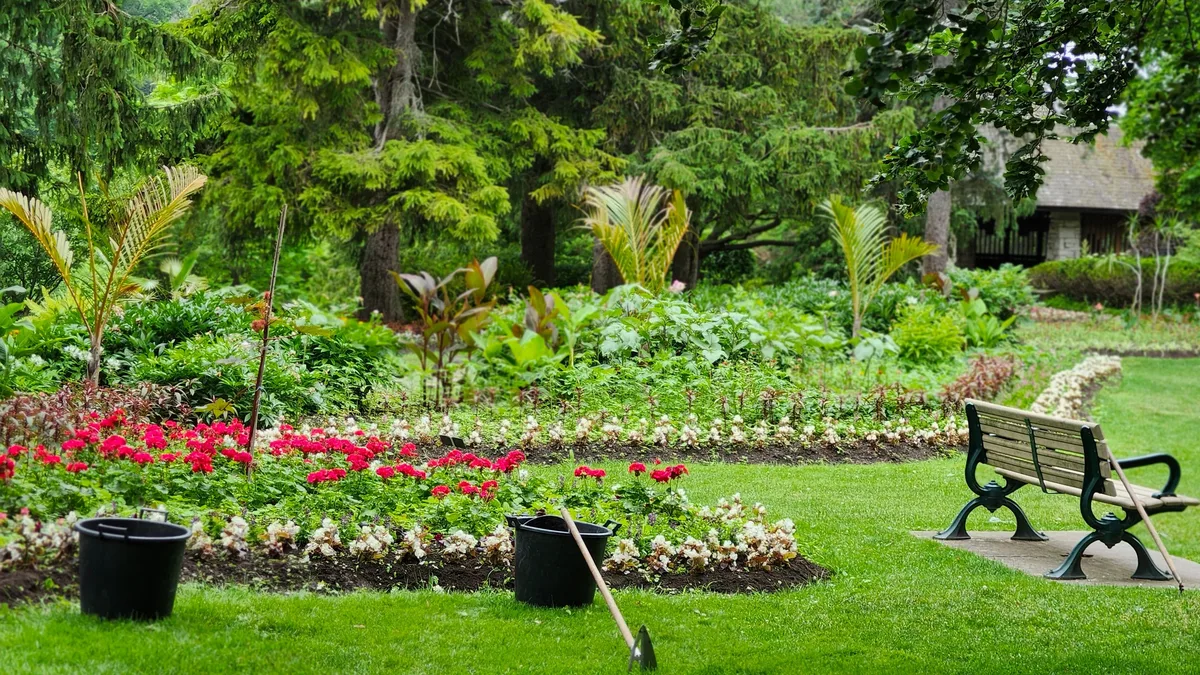
Garden borders can look wilted and crispy by early September after weeks of lingering summer heat and sporadic rainfall. Planting drought-tolerant perennials is a smarter strategy than daily watering for maintaining vibrant fall color.
These plants are naturally adapted to dry conditions, often featuring deep taproots, succulent leaves, or silvery, reflective foliage. Soil temperatures in early fall remain warm, providing an ideal environment for establishing young root systems. Planting them now guarantees a lush display that will return in future years.
Planting and Care Fundamentals
Drought-tolerant plants typically thrive in full sun and well-draining soil, often doing well in poor or sandy conditions and on slopes. Good drainage is essential, as these plants will not tolerate soggy roots. The source advises against using heavy compost or high-nitrogen amendments, which can encourage floppy, water-needy foliage.
For gardens with heavy, water-retentive clay soil, the report recommends amending the top 6-8 inches of the planting bed with expanded shale, pumice, or coarse horticultural grit to improve drainage. A product mentioned is Back to the Roots Perlite, available from Amazon, which can aerate heavier soils. The source stresses that drought tolerance does not mean a plant never needs water, especially during establishment. New plants should be watered deeply every few days for the first three weeks before tapering off. Applying a 2-inch layer of organic gravel or wood mulch can help retain moisture and suppress weeds.
Seven Recommended Drought-Tolerant Perennials
The source highlights seven specific perennials known for their resilience and fall appeal.
Coneflower (Echinacea purpurea) is a native prairie plant with an extensive root system. Once established, it is extremely drought-tolerant and produces large, daisy-like flowers that attract late-season butterflies, goldfinches, and native bees. The report says to plant it in full sun with well-draining soil, water only during rainless periods, and avoid over-fertilizing. It lists several varieties for sale online, including Double Coded Raspberry Beret Coneflower, Sombrero Adobe Orange Coneflower, and a mixed-color option called Cheyenne Spirit Coneflower, all from Plant Addicts.
Stonecrop (Sedum spp.) is a group of succulent perennials that store water in fleshy leaves. Hardy in USDA zones 3-10, they offer summer and fall flowers. The report mentions Autumn Joy Sedum from Nature Hills for its transitional pink-to-copper blooms and Proven Winners Rock N Grow Back in Black Sedum, also from Nature Hills, for its black foliage and pink flowers. They require full sun and gritty, well-draining soil.
Russian Sage (Salvia yangii), native to central Asia, features silver-haired foliage and lavender blooms from midsummer to late October. Its tiny surface stomata help minimize water loss. The plant should be placed in the driest, sunniest part of the garden and avoided heavy mulches. "Wet soil is more likely to kill this plant than drought," the report states, warning against overwatering. A product mentioned is Clovers Garden Russian Sage Live Plants, available as a double bundle from Amazon.
Blanket Flower (Gaillardia x grandiflora) is described as one of the most drought-tolerant perennials, relying on a long taproot. It brings bright, sunset-colored blooms and supports local pollinators. The source recommends a specific variety for smaller spaces: Plants That Work’s Spintop Red Starburst Blanket Flower from Plant Addicts. It thrives in lean, sandy soil with minimal fertilizer or water after establishment.
Yarrow (Achillea millefolium) grows readily in poor conditions, producing flat-topped flower clusters that serve as landing pads for bees and butterflies in September. The report cites Strawberry Seduction Yarrow from Nature Hills and Hirt’s Gardens World’s Smallest Tiny Gold Yarrow from Walmart as notable varieties. It has deep roots and tolerates sun-baked beds.
Lamb's Ear (Stachys byzantina) is valued for its thick, fuzzy, silver-green leaves that conserve moisture and reflect heat. It forms a low, spreading mat ideal for hot, dry edges and pathways. The plant prefers full sun and very well-drained soil, needing water only during prolonged drought after it is established. Flower spikes can be removed to keep the focus on the foliage.
Finally, Beardtongue (Penstemon spp.) is a native perennial with tubular flowers that attract hummingbirds. It thrives in rocky, infertile soils with perfect drainage. The source advises planting it in raised beds or slopes and avoiding rich soil or excess moisture, which can cause root rot. It is a long-lived plant that becomes more drought-resistant over time.