Edible plants in fall borders for color and harvest
Integrating edible greens and herbs like rainbow chard and ornamental kale into fall borders provides dual-purpose beauty and function for space-conscious
Integrating edible greens and herbs into fall borders provides dual-purpose beauty and function for space-conscious gardeners. As traditional displays of chrysanthemums, asters, goldenrod, and sedums fade, edible plants can fill gaps left by dying lower foliage. This approach offers a practical solution for maximizing limited plot space. Key edible greens and herbs thrive in autumn with full sun or light partial shade and free-draining soil.
Plant choices for color and texture
Rainbow chard, ornamental kale and cabbage, and Tuscan kale offer vibrant foliage and cold tolerance for autumn interest. Rainbow chard features stems in fiery crimson, hot pink, vivid yellow, and bright orange. Cultivars like Bright Lights and Celebration are highlighted. It is hardy in USDA zones 3-10 and grown as a cool-season annual in fall. Rainbow chard prefers rich, fertile, well-draining soil and full sun or partial shade.
Ornamental kale and cabbage leaves turn cream, royal purple, coral, and magenta below 50°F (10°C). These plants are extremely cold-hardy and survive light snow cover. Their leaves are tough and bitter compared to culinary varieties. Popular cultivars include Peacock Red, Chidori, and Nagoya. They form tight, low-growing rosettes with ruffled, feathered, or wavy leaves.
Tuscan kale, also known as Lacinato or dinosaur kale, has deep bluish-charcoal green, pebbled foliage. It creates high-contrast focal points when paired with golden marigolds or orange mums. It is hardy in zones 7-10 and thrives as a fall annual in cooler northern regions. Red-veined sorrel forms compact rosettes of apple-green leaves with burgundy veins. It has a tangy lemon flavor and grows in full sun to partial shade, preferring moist, well-drained soil. Mizuna is a rapid-growing Japanese mustard green.
Hardiness varies by region. In USDA zones 3-6, cool-season edibles perform as vibrant annuals that withstand light frosts. In zones 7-10, many edible crops overwinter, providing color and harvests into spring.
| Plant | Botanical Name | Key Hardiness Zones | Notable Features |
|---|---|---|---|
| Rainbow Chard | Beta vulgaris | 3-10 | Fiery stem colors; cool-season annual |
| Ornamental Kale/Cabbage | Brassica oleracea | Extremely cold-hardy | Leaves turn purple, coral below 50°F |
| Tuscan Kale | Brassica oleracea var. Palmifolia | 7-10 (annual elsewhere) | Bluish-charcoal, pebbled foliage |
| Red-veined Sorrel | Rumex sanguineus | 4-9 | Apple-green leaves with burgundy veins |
Soil and planting guidance
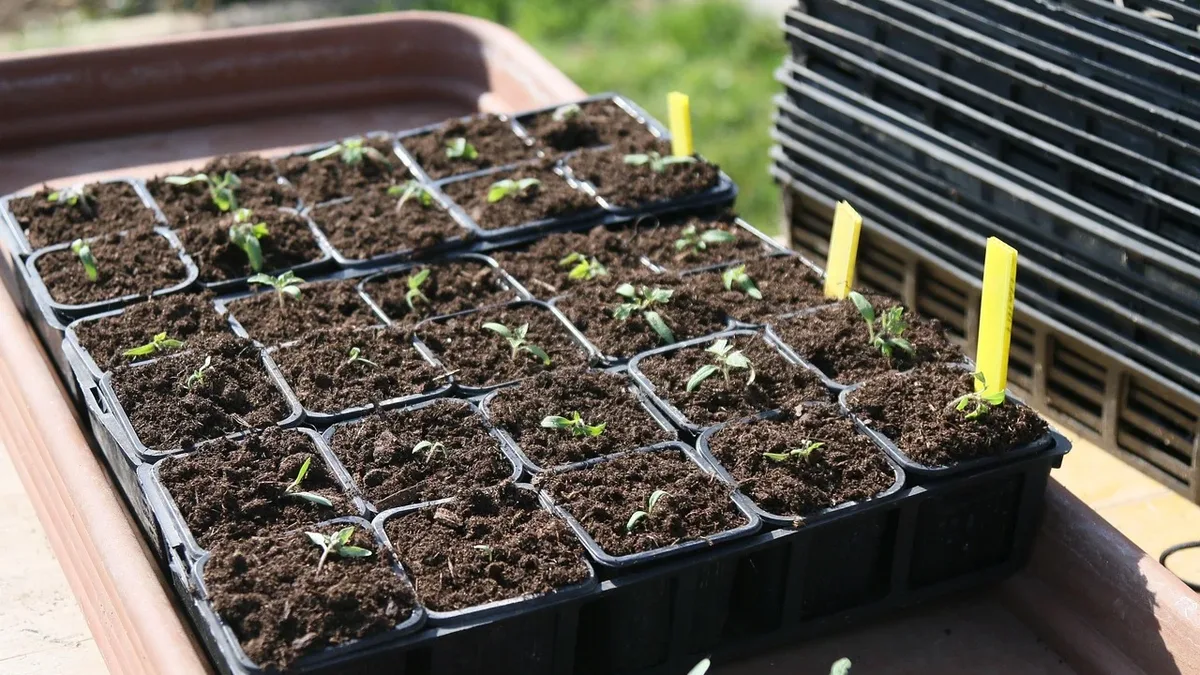
Proper soil preparation and planting timing ensure edibles thrive in fall borders alongside ornamental plants. Soil prep includes clearing leaf debris, aerating the top few inches, and adding organic compost. Good drainage is essential; coarse sand or perlite can be added where necessary.
Rainbow chard should be transplanted or sown 6-8 weeks before the average first hard frost. Ornamental kale and cabbage should be planted in mid-fall in full sun with sharp, fast-draining soil. Tuscan kale should be planted in sunny spots with rich, well-drained soil. Mizuna should be sown or transplanted at least 4 weeks before first frost. Parsley is a hardy biennial grown as a cool-season annual in zones 4-9. It grows slowly from seed in cold soil, so nursery transplants are recommended for immediate effect. Parsley should be planted in full sun or partial shade in rich, organic, well-draining soil.
Harvest and care tips
Continuous harvesting and frost-enhanced flavor make edibles like chard and kale productive through autumn. Rainbow chard allows continuous harvest of outer leaves through autumn. Tuscan kale leaves become sweeter and more tender after the first frost. When harvesting Tuscan kale, leave 6-8 top leaves intact to encourage upward growth. Mizuna uses the cut-and-come-again method for harvesting; outer leaves should be snipped 1 inch (2 cm) above the soil line. Mulching with straw protects the crown if heavy frost threatens. Overwatering leads to yellowing lower leaves and root rot.
Availability and extras
Seeds and plants for these edibles are accessible from major retailers, with soil aids supporting establishment. Rainbow Mix Swiss Chard Seeds are available from Eden Brothers. Tomorrow Seeds Smooth Mix Ornamental Cabbage Seeds are available from Walmart for a few dollars. Lacinato Kale Seeds are available from Burpee. Clovers Garden Dinosaur Kale Live Plants are available from Amazon. Ohio Heirloom Seeds Store Blood Veined Sorrel Seeds, Mountain Valley Seed Company Red Leaf Mizuna Mustard Seeds, and The Seed Plant’s Triple Curled Parsley Seeds are also available online.
Espoma’s Organic Bio-Tone Starter Plus from Amazon is recommended for mycorrhizal fungi to aid root establishment. Mary Ellen Ellis, who has been gardening for over 20 years, notes her specialties are "flowers, native plants, and herbs." Gardeners can begin preparing fall borders by clearing debris, aerating soil, and adding compost before planting edible greens.